

Stains can show up on freshly washed clothes in all kinds of colors, including yellow, brown, and blue. Whatever the color, they can ruin a favorite outfit. The good news is that blue stains almost always have a clear cause, and most of them come out. Once you know where they come from, they are easy to prevent.
Blue stains on washed clothes usually come from undissolved blue detergent or fabric softener that overflowed from its dispenser and landed on the fabric. Other common causes are dye transfer from other garments, hard or mineral-heavy water, and a dirty washer or dryer. Most blue stains are not permanent and can be pretreated and rewashed.
If you are tired of finding these marks on your laundry, this guide walks you through each possible cause, how to treat the stain, and how to keep it from coming back.
Color Transfer
Washing light-colored clothes together with darker ones can cause color transfer, which leaves blue spots or patches on the lighter items. A new garment that bleeds dye can do the same thing. These stains are usually not permanent, but they can be if the dye sets into the fabric, especially after a trip through the dryer.
Treatment
Do not put the garment in the dryer. Heat can set the dye. Instead, rewash the affected item in the washing machine with detergent, using the warmest water the care label allows. If the stain is stubborn, use a color-safe stain remover or an oxygen-based laundry booster.
To use a stain remover:
- Apply the product to the stained area, following the directions on the label.
- Let it sit for the time the label recommends, then rinse it off.
- Launder the garment as usual, and check that the stain is gone before drying.
Prevention
Sort dark and light clothes before they go into the washer. If you have to wash them one after the other, do the light load first and the dark load second.
Test new dark garments for bleeding. Soak the item in cool water for two to three minutes. If the water changes color, wash that garment on its own until the water runs clear.
Fabric Softener
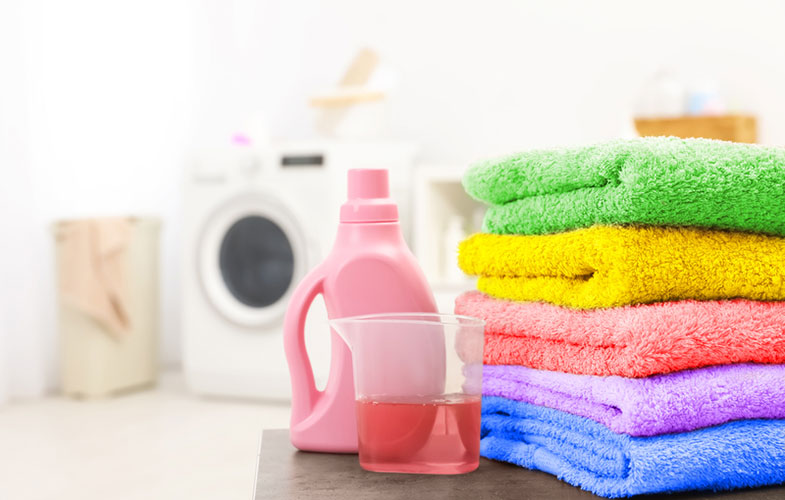
Overfilling the fabric softener compartment is a classic cause of blue stains. Many softeners are dyed blue, and when too much is poured in, the extra can spill straight into the drum and onto your clothes. Thick, gunky buildup in the softener dispenser can also leave blue streaks.
Softener stains happen most often when the directions are not followed. The good news is that they are not permanent and can be treated.
Read More: Are Fabric Softeners Good for Asthma?
Treatment
You do not need a special product. Rub the stained area with a bar of soap or a little liquid detergent, working it into the fabric with your fingers. Then wash the garment as you normally would.
Prevention
Always fill the softener compartment only up to the max line.
You can also dilute the softener with a little water right before you pour it into the compartment. This helps it disperse evenly and keeps blobs of blue from reaching your clothes.
If gunk keeps forming in the dispenser, clean the dispenser drawer regularly with warm water. You can also skip the dispenser and add the softener to the drum during the final rinse, diluted in water, as your machine’s manual allows.
Detergent
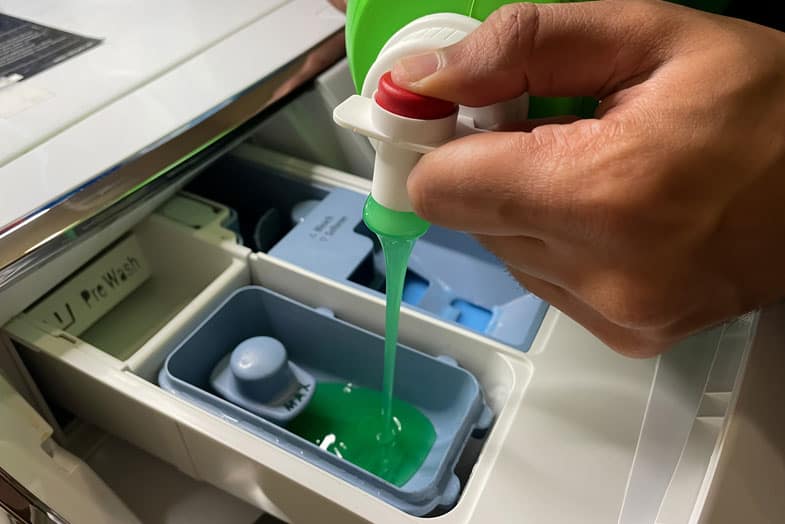
The blue dye in some detergents may not disperse properly, and it can leave blue marks on clothes. This is more likely with liquid laundry detergent, because powders are usually white or contain small blue speckles that dissolve in the wash.
Blue stains can also come from a pretreater or laundry booster that contains blue dye. These stains are not permanent and can be removed.
Read More: Laundry Detergent: Before or After Clothes?
Treatment
When detergent is the cause, you can soak the clothes in a mild vinegar solution. Here is how.
Mix 1 cup of white vinegar with about 1 quart (roughly 1 liter) of water in a plastic tub. Soak the stained clothes for at least an hour, then rinse them well and rewash them with your regular detergent. Use vinegar only on its own. Never mix it with bleach or other cleaners, because the combination can release harmful fumes.
Prevention
Run an empty cycle now and then to clear leftover detergent and residue from the machine. Use hot water and a washing machine cleaner, or follow the cleaning instructions in your manual.
Next time, use the recommended amount of detergent and do not go over it. For liquid detergent, pour it into the dispenser drawer or dilute it in the drum before adding clothes, rather than pouring it directly onto the fabric. The post on pouring liquid detergent on clothes explains why.
Water
Sometimes you cannot pin down the cause. When the detergent, the softener, and the machine all seem fine, the next suspect is your water.
One known cause is copper plumbing. If your water is slightly acidic, it can slowly corrode copper pipes, and the dissolved copper can leave blue or blue-green marks on fabric and fixtures. A plumber or your water utility can test for this.
Another cause is hard water. It carries dissolved minerals that can be left behind on clothes as deposits, and it can also hold fine particles of soil that build up on fabric over time.
Treatment
For mineral deposits, soak the stained clothes in the vinegar solution described above, then rewash them. Check the care label first, and do not use bleach on colored fabrics, since it can strip the color and leave permanent marks. Never combine bleach with vinegar or any other cleaner.
You cannot change the water that comes into your home, but you can make it behave better in the wash. Adding an oxygen-based booster such as OxiClean, or a water softener product made for laundry, can help with hard water and may lift mineral stains that are already there. Follow the amounts on the package.
Prevention
Keep an eye on your plumbing. If you notice leaks, blue-green staining around faucets, or aging pipes, have them checked and repaired quickly. If hard water is the problem, a whole-house or washer-specific water softener is a longer-term fix.
Other Ways to Prevent Blue Stains
Keep Your Washer Clean

Many people assume a washer cleans itself because it is always full of detergent and water. It does not.
Over time, dirt, residue, and gunk build up in the drum, the gasket, and the dispenser. Eventually that buildup can transfer to your clothes as stains and spots.
Clean your washer about once a month. Run an empty hot cycle with a washing machine cleaner, or follow the self-clean instructions in your manual. Wipe the door gasket and rinse the dispenser drawer, too.
This quick routine helps prevent stains, and it also keeps mold and mildew from taking hold.
Check Your Dryer
Stains do not always come from the washer. Sometimes the dryer is responsible, for example when a dye-based item, a stray crayon, or buildup in the drum rubs off onto clothes.
To find out, check your clothes as you take them out of the washer. If they are clean at that point and the blue marks appear only after drying, the dryer is the likely culprit. Wipe the drum clean and clear the lint trap before the next load.
Protect Your Colored Clothes
Colored clothes can be tricky to wash, especially when they bleed. These habits help:
- Check clothes for stains before washing. If you find any, pretreat them with a stain remover or a little detergent.
- Air-dry colored clothes away from direct sunlight when you can, since both strong sun and high dryer heat can fade colors.
- Turn new colored clothes inside out to protect the surface of the fabric.
- Remove wet clothes from the washer as soon as the cycle ends. Even clothes that do not bleed much can pass color to each other if they sit together for hours.
Bottom Line
Do not panic if blue stains show up on your good clothes. Start by working out the source: dye transfer, softener, detergent, water, or a dirty machine. Then use the matching treatment above, and keep the garment out of the dryer until the stain is gone.
Measure carefully, sort your loads, and clean your washer regularly, and these stains should become a thing of the past. Good laundry habits will save you from a lot of headaches.
Dealing with a different stain? Try the Stain Finder, or print our one-page stain cheat sheet.