

Walk down any cleaning aisle and you will see “antibacterial” printed on soaps, detergents, and sprays. The label sounds reassuring, but it raises a fair question: is antibacterial detergent really worth paying extra for?
For most households, no. Regulators and researchers have found no good evidence that antibacterial soaps and detergents protect healthy people from illness better than plain soap and water. Proper washing, hot water where fabrics allow, and thorough drying do the real work. Antibacterial products make sense mainly in healthcare settings or when a doctor advises them.
In 2016, the FDA’s Center for Drug Evaluation and Research director, Janet Woodcock, M.D., said:
“Consumers may think antibacterial washes are more effective at preventing the spread of germs, but we have no scientific evidence that they are any better than plain soap and water. In fact, some data suggests that antibacterial ingredients may do more harm than good over the long-term.”
Let’s look at why that is, and what it means for your soap and your laundry.
What Is the Difference Between Antibacterial and Regular Detergent?
Traditional soap is made through saponification, a reaction in which a strong alkali, most commonly sodium hydroxide (caustic soda), acts on natural fats or oils. The products are soap, which is a sodium or potassium salt of fatty acids, and glycerin. Modern laundry detergents are made differently, using synthetic surfactants, but they clean in a similar way.
So what makes an antibacterial product different? It contains an added germ-killing ingredient. In hand soaps, the best-known examples were triclosan in liquid soaps and triclocarban in bar soaps. In 2016, the FDA ruled that these and several other ingredients could no longer be marketed in over-the-counter consumer antiseptic hand and body washes, because manufacturers had not shown they were safe and more effective than plain soap and water.
Other products may use different active ingredients, such as quaternary ammonium compounds like benzalkonium chloride, or alcohol. Antibacterial laundry products are usually labeled differently from hand soaps, so check the label for what they claim to do.
An added germ killer may seem like a bonus. But killing every bacterium is not always a good thing, because that includes the helpful ones, and that is the heart of the problem.
Why Antibacterial Detergents Are Not Worth the Hype

Manufacturers have not been able to show that the “antibacterial” label, or the extra ingredient inside, makes a product more effective than a plain one. There are several reasons.
Plain Soap Does the Same Job
Both types are equally good at removing dirt, oil, and germs. The washing action, not the added ingredient, is what lifts germs off your hands or fabrics and rinses them away.
Antibacterial ingredients usually need to stay in contact with germs for a while to work. During a normal hand wash or wash cycle, the product is rinsed off in seconds or minutes, so there is no time for the extra ingredient to make a difference.
Antibiotic Resistance
Bacteria adapt. Repeated exposure to antibacterial chemicals may encourage bacteria to develop resistance to them, and there is concern that this could contribute to resistance to antibiotics. That is one reason health agencies prefer plain soap for everyday use.
Possible Hormonal Effects
Some animal studies have found that triclosan can alter hormone function. It is not clear whether the same applies to people at everyday exposure levels, but it is one more reason regulators asked for stronger proof of benefit.
Possible Links to Allergies
Some researchers have suggested that extreme cleanliness early in life may be linked to a higher risk of allergies, an idea known as the hygiene hypothesis. The evidence is still debated, and good hygiene is still important. It does suggest, however, that we do not need to sterilize everything around us.
Read More:
Can Your Detergent Impact Your Acne and Skin?
Are Fabric Softeners Good for Asthma?
They Also Affect Helpful Bacteria
Your skin carries a community of harmless and helpful bacteria that help protect it from harmful ones. Broad-spectrum antibacterial products do not tell them apart, so they can disturb this balance. Plain soap cleans without being designed to kill.
Does Soap Have to Be Antibacterial to Remove Germs?
No. Plain soap and water remove germs from your hands just as well as antibacterial soap with triclosan, triclocarban, or benzalkonium chloride does in everyday use. Washing with plain soap also removes germs that are resistant to antibiotics, because soap lifts them off physically rather than relying on a chemical to kill them.
Are Antibacterial Detergents Harmful?
There is no simple yes or no. Some animal studies raise concerns about certain ingredients, but we do not have solid evidence of harm in people from normal use. But when plain soap cleans just as well, there is little reason to take any risk, however small.
Why Are Antibacterial Products Used in Hospitals?
Hospitals care for people who are sick or have weakened immune systems, and they have surfaces and tools that must be disinfected. In that setting, the benefits of strong antiseptics and disinfectants clearly outweigh the downsides. Antibiotics are similar: they are essential when needed, but we do not take them every day.
The same logic applies at home when someone is seriously ill or when a doctor recommends extra precautions. For everyday life, plain cleaning is enough.
If I Use an Antibacterial Product, Should I Be Careful?
Yes. Some people react to the antibacterial agents used in soaps and detergents. If you notice redness, itching, or a rash, stop using the product and speak to a doctor. Switch to a plain soap or detergent.
What About Antibacterial Cleaners for the House?
Surface disinfectants are a different category from hand soap, and they are regulated differently. They can be useful in specific situations, such as cleaning up after raw meat, after vomiting or diarrhea, or when someone in the home has an infection.
For routine cleaning, though, soap or detergent and water are usually enough. Also remember that antibacterial products do not work against viruses unless they are specifically labeled as disinfectants that do. Always follow the label, rinse food-contact surfaces, and never mix bleach with ammonia, vinegar, or other cleaners.
Hand Sanitizer or Soap?
Soap and clean running water are the best way to remove germs and chemicals from your hands. If soap and water are not available, an alcohol-based hand sanitizer with at least 60 percent alcohol is a reasonable backup, though it does not remove all types of germs or visible dirt.
What About Antibacterial Laundry Detergent?
The same reasoning applies to laundry. A regular detergent already removes most germs through washing and rinsing, and heat and thorough drying help further. An antibacterial detergent or laundry sanitizer can add some extra germ-killing in cold-water washes, which may help when someone in the household is sick or when you are washing underwear, towels, or cloth diapers.
If you decide to try one, see our guide to the best antibacterial laundry detergents. To learn how germs behave in the wash, read whether bacteria can survive a clothes wash and how to kill germs in laundry.
How Does Soap Actually Work?
Soap molecules can bind to both water and oil. One end of a soap molecule is hydrophilic, meaning it is attracted to water, and the other end is hydrophobic, meaning it is repelled by water and attracted to oils and fats.
When you lather up, the oil-loving ends grab onto grease, dirt, and germs, while the water-loving ends stay in the water. Rinsing carries the whole mixture down the drain.
Is Bar Soap Better Than Liquid Soap?
They are equally effective. Choose whichever you prefer, as long as it is a plain soap and you use it properly.
Read More: Is Liquid Detergent Bad for Washing Machine?
How Should I Wash My Hands?
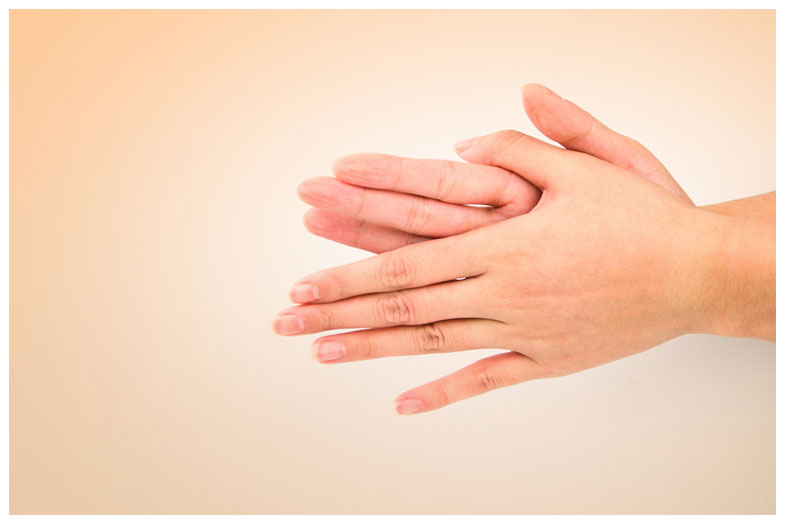
The cleaning power of soap comes from lather and friction. The lather traps germs and dirt so that rinsing can carry them away.
Here is how to wash your hands effectively:
- Wet your hands with clean water, and turn off the tap if you like to save water.
- Apply soap and lather up.
- Scrub for at least 20 seconds, including your palms, backs of hands, between your fingers, and under your nails.
- Rinse thoroughly under clean running water.
- Dry with a clean towel or air dry.
Follow these steps and you can greatly lower your risk of picking up and spreading many illnesses, with nothing more than a bar of plain soap.
Are There Any Benefits to Antibacterial Detergent?
Antibacterial and disinfecting products are valuable in healthcare facilities and in situations where surfaces must be kept as germ-free as possible. For everyday use, plain soap or detergent is enough.
One small practical advantage is availability. Antibacterial products come in many scents, brands, and price points, so they are easy to find. Beyond that, research has found no clear benefit for healthy people.
Does Cost Matter?
Yes. If you are on a budget, choose plain soap or detergent. Antibacterial products usually cost more, and you get no proven extra protection for the money.
Conclusion
Antibacterial detergents are not worth the extra cost or the hype for most households. Plain soap or detergent and water, scrubbed well and rinsed, does the job. Save antibacterial products for situations where a doctor advises them, or where there is a real risk of infection, such as caring for someone who is seriously ill.