

We tend to judge cleanliness by smell, so it is easy to assume that anything that makes clothes smell fresh must be good for us. That makes it worth asking an honest question: is liquid detergent harmful to our health?
Liquid detergent is safe for most people when used as directed, but it is not harmless. Swallowing it can cause poisoning, and some ingredients, especially fragrances, dyes and preservatives, can irritate skin, eyes and airways, particularly for people with allergies, eczema or asthma. Using the right amount, rinsing well and choosing gentler formulas reduces the risk.
Below you will find the ingredients people most often worry about, what is known about each, and practical ways to cut your exposure without giving up clean clothes.
Potentially Harmful Ingredients in Liquid Detergent

Most liquid detergents are made mainly from synthetic ingredients, along with some plant-derived ones. Being synthetic does not automatically make an ingredient harmful, and being natural does not automatically make it safe. What matters is the ingredient, the dose and how you are exposed to it.
Detergent comes in liquid, powder and pod form. The main cleaning ingredients are surfactants, which lift dirt from fabric. Small amounts of detergent can remain on clothes after washing, and for most people this causes no problem. For those with sensitive skin, allergies or asthma, residue and fragrance can be a trigger.
The most serious risk is swallowing. Detergent poisoning, especially in young children who bite into pods, can cause vomiting, abdominal pain, breathing problems and, in serious cases, damage to the eyes or airways. Keep all laundry products locked away from children, and call poison control or emergency services right away if someone swallows detergent or gets it in their eyes.
Read More: What Makes Laundry Detergent Eco-Friendly?
Common Ingredients of Concern
Sodium Lauryl Sulfate (SLS)
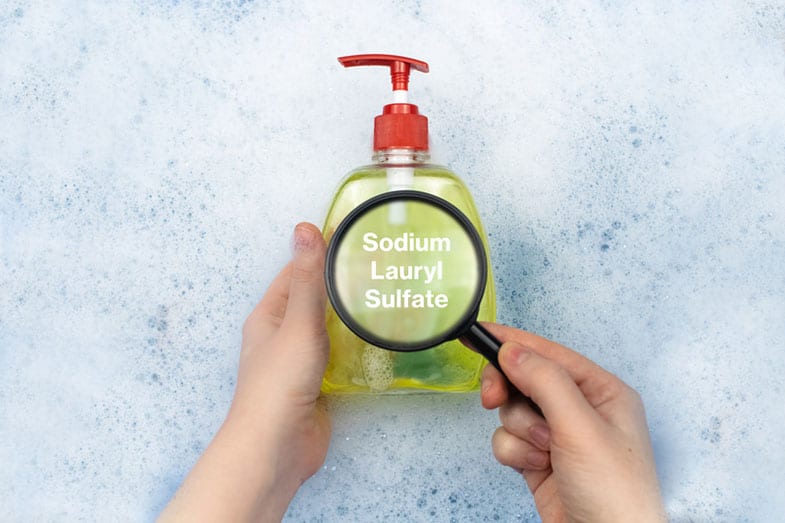
SLS is among the most talked-about ingredients. It appears in laundry detergent and in personal care products such as shampoo and body wash.
It is a surfactant and foaming agent. It lowers the surface tension between water and oils, which lets it remove greasy dirt from clothes. It is inexpensive and effective, so it is widely used.
SLES (sodium laureth sulfate) is a closely related surfactant. It does a similar job and is generally considered milder on skin than SLS, which is why many products use it instead.
Possible Effects
SLS is a known irritant. It can irritate skin, eyes and airways, especially in concentrated form or with repeated contact. Studies have not shown that it causes cancer, so the concern is irritation rather than serious disease. If you have sensitive skin, a formula without SLS or an extra rinse may help.
Chlorine Bleach
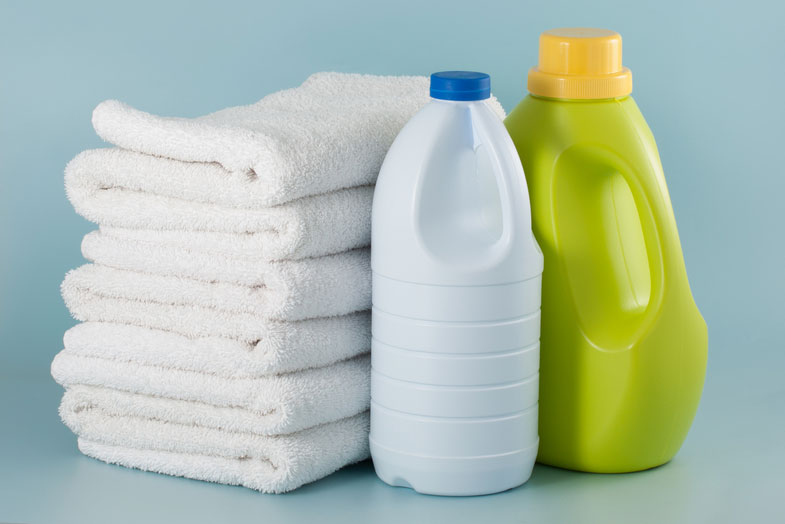
Bleach is a separate product that many households use alongside detergent. It whitens and disinfects, but ordinary liquid detergents do not usually contain chlorine bleach. Some contain milder oxygen-based bleaching agents.
An extra dose of bleach can brighten whites, but it also adds exposure to a harsh chemical, so only use it when you really need it.
Read More: Laundry Detergent and Bleach: What’s the Difference?
Possible Effects
Bleach can irritate skin, eyes and lungs. Wear gloves, open a window and always dilute it as directed. Never mix bleach with ammonia, vinegar or other cleaners, because the fumes are dangerous. Chlorine bleach that goes down the drain in large amounts can also be harmful to aquatic life.
Fragrances
The fresh scent of laundry usually comes from synthetic fragrance blends, many of them made from petrochemicals. Manufacturers often list them only as “fragrance” or “parfum,” so you cannot see the individual ingredients.
Some fragrance compounds are volatile organic compounds (VOCs), which evaporate into indoor air. Scented products can add to indoor air pollution, especially in small, poorly ventilated rooms.
Possible Effects
Fragrances are one of the most common triggers of contact allergy and can irritate the airways. For some people they can trigger asthma symptoms. If you have asthma or fragrance sensitivity, choose fragrance-free or lightly scented detergents.
Optical Brighteners
Optical brighteners are added to many detergents to make clothes look whiter and brighter. They do not remove stains. They stay on the fabric and reflect light in a way that makes it look cleaner.
Possible Effects
Optical brighteners are generally considered low in toxicity for people, though they can cause skin reactions in a small number of sensitive individuals. They do not break down quickly, and they end up in waterways, where they can affect aquatic life. A brightener-free detergent is a simple swap for sensitive skin.
Dyes and Phenols
Dyes are added to detergents for appearance only. They have no cleaning function. Some detergents also contain small amounts of phenol-related compounds, sometimes used as preservatives or antimicrobial agents.
Possible Effects
Dyes can irritate sensitive skin and cause allergic reactions in some people. Concentrated phenol is hazardous, but the amounts used in consumer detergents are very small. If you react to colored detergents, choose a dye-free option.
Formaldehyde-Releasing Preservatives
Liquid products contain water, so they need preservatives to prevent bacteria and mold. Some preservatives work by releasing small amounts of formaldehyde. They do not help with cleaning or brightening. Their only job is protecting the product.
Possible Effects
Formaldehyde is a known irritant and sensitizer, and it is classified as a carcinogen at high or long-term exposure. In everyday products the levels are low, but they can still cause allergic contact dermatitis in people who are sensitive. If you have eczema or known preservative allergies, check labels and choose products without these preservatives.
How to Reduce Your Exposure

You do not need to give up clean clothes. A few changes make a real difference.
- Use only the recommended amount of detergent, and measure it.
- Add an extra rinse cycle if you or your family have sensitive skin.
- Choose fragrance-free and dye-free products, especially for baby clothes, bedding and underwear.
- Dry clothes completely before wearing them, since damp fabric holds on to residue.
- Keep laundry products, especially pods, out of reach of children and pets.
Choosing a Gentler Detergent
Plant-based and eco-friendly detergents are often milder, and many are free of dyes and fragrances. Ingredients that come from plants are not automatically harmless, though, and no detergent is completely chemical-free, since water itself is a chemical.
Some brands use words like “natural” or “eco” as marketing without meaningful differences in the formula. Read the ingredient list instead of relying on the front label, and look for recognized third-party certifications. If you can, buy from brands that disclose all their ingredients.
Homemade Detergent

Some people make their own laundry powder to control the ingredients and save money. Typical homemade recipes combine grated soap, washing soda (sodium carbonate) and baking soda, sometimes with a few drops of essential oil.
Homemade does not mean risk-free. Washing soda is a strong alkali that can irritate skin and eyes, and the dust can irritate your nose and lungs. Wear gloves and a mask when mixing, store it away from children, and label the container clearly. Essential oils can also cause allergic reactions.
Homemade mixes also tend to clean less effectively than commercial detergents, especially on oily soil and in hard water, where soap can leave residue on clothes. They are best for lightly soiled loads. For heavy stains, a commercial detergent is more reliable.
Frequently Asked Questions
Can laundry detergent cause skin rashes?
Yes. Fragrances, dyes, preservatives and leftover residue can cause irritation or allergic contact dermatitis in some people. If you get itchy patches where clothes touch skin, try a fragrance-free detergent, an extra rinse and a smaller dose.
Are pods more dangerous than liquid detergent?
Pods are highly concentrated, and small children often mistake them for candy or toys. Most poison-control concerns involve pods, so keep them in a closed, child-resistant container well out of reach.
Is it safe to wash baby clothes in regular detergent?
Many families do, but newborn skin is delicate. A fragrance-free and dye-free detergent, a correct dose and an extra rinse are sensible precautions. Ask your pediatrician if your baby has eczema or very sensitive skin.
Does washing clothes remove all detergent?
Most of it, but small amounts can remain, particularly if you overdose, overload the washer or use a short cycle. An extra rinse and measuring the detergent carefully keep residue low.
Bottom Line
Liquid detergent is safe for most people when used correctly, but it is a chemical product and should be handled with care. The biggest risks are swallowing it and irritation from fragrances, dyes and preservatives, especially if you have sensitive skin or asthma.
Measure carefully, rinse well, choose fragrance-free or eco-friendly options if you react to regular products, and always read the label before you buy.