


Many of us let laundry pile up for a week or more, which gives bacteria plenty of time to grow in the hamper. Since the pandemic, people are also more aware of hygiene, and a common worry is whether germs stay on clothes after a wash. Can bacteria actually survive a trip through the washing machine?
Yes, some bacteria can survive a normal wash, especially in cold or warm water with a gentle cycle. Detergent and agitation remove most germs, but killing the rest takes heat, a laundry sanitizer or bleach where the fabric allows it, and a thorough dry on high heat or in direct sunlight.
Below, you will find out why bacteria sometimes survive, whether it is a real health concern, and the practical steps that help you get clothes properly clean.
Can Bacteria Survive After a Clothes Wash?
They can, and how likely that is depends on how you do laundry. Washing in cool water without bleach or a sanitizer removes a lot of germs but does not necessarily kill them all, so a few may remain on the fabric. Several things influence the result.
Your Washing Machine
Washing removes many bacteria, viruses, and fungi, but not all of them. Because modern energy-efficient machines often wash at lower temperatures, fewer germs are killed by heat alone, and damp parts of the machine, such as the door seal and detergent drawer, can grow bacteria and mildew if they are never cleaned.
For most healthy households, the amount of bacteria left is low. Still, cleaning the machine regularly, using its self-clean cycle or a washing machine cleaner, and leaving the door open to dry between loads helps keep it fresh.
Clothes From a Sick Person
If someone in your home is sick, germs can move from their clothes, towels, and bedding to everything else in the load. Washing a sick person’s items together with the rest of the laundry makes this more likely, so wash them separately, in the hottest water the care labels allow.
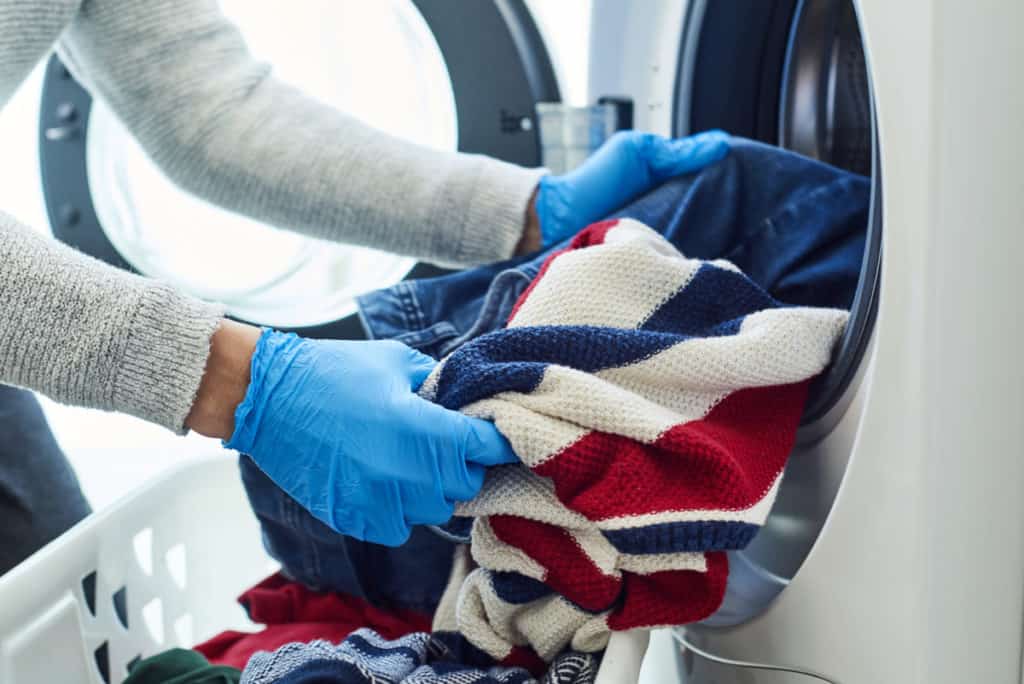
Wear disposable gloves if you can, avoid hugging dirty laundry against your body, and wash your hands afterward.
Children’s Clothes
Children play in dirt, mud, and grass, so their clothes tend to be much dirtier than an adult’s. That also means more bacteria on the fabric, so it is worth giving heavily soiled kids’ clothes a pretreat, a longer cycle, or a separate load.
How to Kill Bacteria on Clothes While Washing
Most of us learn laundry from parents or roommates, and nobody teaches the hygiene side of it. The good news is that a few simple habits reduce germs a lot. Our guide on how to kill germs in laundry covers more of the same ground.
Clean Your Washing Machine
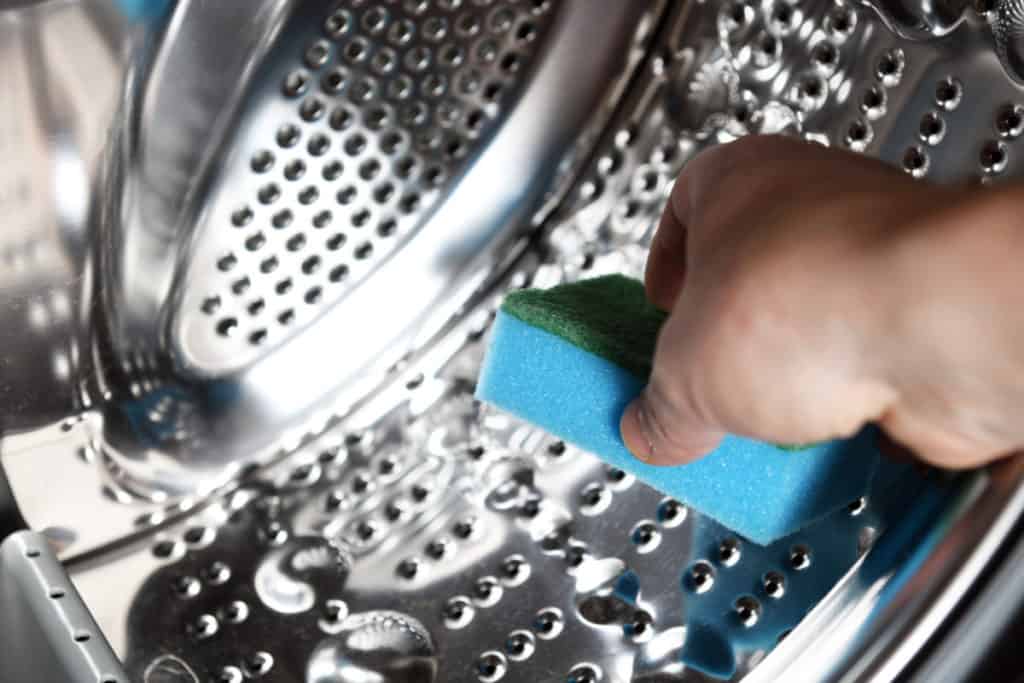
It is a myth that a washing machine cleans itself because it is always full of water and detergent. Residue, lint, and moisture build up inside, and that is where bacteria and mildew settle in.
Use your machine’s cleaning cycle or a washer cleaner according to the manufacturer’s instructions, ideally about once a month. Wipe the door seal and detergent drawer, and leave the door ajar between loads. If you use bleach to clean the machine, follow the manual and never mix it with vinegar, ammonia, or other cleaners.
Sanitize the Hamper
The hamper is where dirty clothes sit for days. Wipe it regularly with a household disinfectant, following the label directions, or line it with a washable bag that you launder with the clothes. Fewer germs in the hamper means fewer germs on your next load.
Dry Clothes on a High Heat Setting
A hot dryer is one of the most effective germ killers in the laundry process. Dry clothes completely at the highest heat their care labels allow. Low heat or air drying leaves more bacteria behind, especially if the clothes stay damp for a long time.
Hang Clothes in the Sun
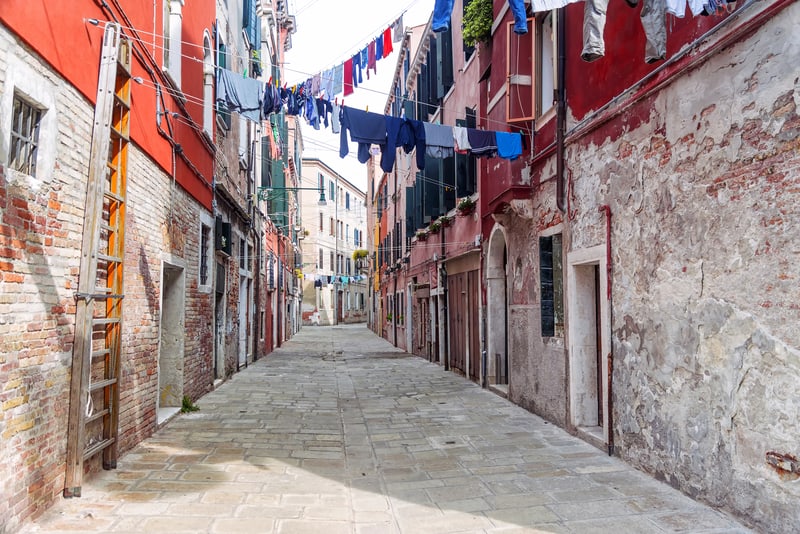
Ultraviolet light from the sun works as a natural sanitizer, and sun-dried laundry also smells fresh. It is a helpful option for white towels, sheets, and other sturdy items.
There are downsides. Clothes hung outdoors can pick up pollen, which is a problem if you have allergies, and strong sun can fade dark colors, so turn colored items inside out.
Use Bleach or a Laundry Sanitizer
For white, bleach-safe fabrics, chlorine bleach used as directed on the bottle helps disinfect. For colored clothes, use a laundry sanitizer or an oxygen-based bleach that is labeled as color-safe, and follow its directions. Sanitizers are usually added to the fabric softener compartment or during the rinse cycle.
Never combine bleach with ammonia, vinegar, or any other cleaner, because that can release dangerous fumes. If you are wondering how bleach differs from detergent, see laundry detergent and bleach: what is the difference.
Also, do not use too much detergent. Excess detergent can stay in the fabric and leave residue, which gives bacteria and odors something to cling to. Measure it and follow the label.
Wash in Hot Water When the Fabric Allows
Heat kills bacteria and other germs, so hot water is the best choice for sturdy fabrics such as cotton towels, sheets, and underwear. Many bacteria survive cold or lukewarm water easily. Always check the care label first, because hot water can shrink or fade some items.
Wash Dirty Clothes Separately
Garments such as underwear, cloth diapers, and heavily soiled kids’ clothes carry more dirt and bacteria than usual, so wash them separately from lightly worn items.
The same goes for sports and workout clothes. They are already sweaty and dirty, and they can pass odors and bacteria to the rest of the load.
Wash Your Hands
Dirty laundry carries germs, and you pick them up when you handle it. After loading the machine, wash your hands well with soap and water to avoid spreading germs around the house.
Do Not Leave Clothes Dirty for Long
If you have ever opened a hamper and smelled something sour, you have met bacteria. They grow in warm, damp, dirty places, so sweaty or wet clothes left in a pile are a perfect home for them.
Wash clothes soon after wearing them when you can. Never leave wet clothes sitting in the washer or in a bag. If you can’t do laundry right away, let sweaty items dry out before they go in the hamper.
Can Clothes Spread Germs?
Clothes pick up germs from our surroundings, from the things we touch, and from our own bodies when we sweat.
Some germs, such as many viruses, do not survive long on fabric. Many bacteria, however, can persist for a long time, so they can be passed along through dirty clothes and shared towels.
When you pick up dirty laundry, your hands pick up germs from the clothes. Passing a dirty towel from person to person spreads germs in the same way. And in the washer, heavily soiled items can transfer bacteria to lightly soiled ones in the same load, which is why separating loads matters.
What Happens When Bacteria Remain on Clothes After a Wash?
Underwear and other close-contact clothes carry more bacteria than most items, including bacteria from the skin and the digestive tract. Washing them with the rest of your laundry is not ideal, especially in cold water.
Bacteria on clothes are not always harmful. We are surrounded by bacteria in the air, in water, and on every surface, and most of them are harmless.
For healthy people, the small number of bacteria left after a wash rarely causes problems. Still, some can cause skin irritation or infection, and sharing contaminated towels or clothes during an illness may help it spread. People with weakened immune systems, open wounds, or skin conditions should be more careful. If you are shopping for a product that targets germs, our articles on whether antibacterial detergent is really worth it and the best antibacterial laundry detergents can help.
Conclusion
Bacteria can survive a wash if the clothes are not washed and dried well. For most households, the leftovers are not a serious health risk, but they can matter when someone is sick or has a weakened immune system.
Washing in the hottest water the fabric allows, adding a sanitizer or bleach where appropriate, drying on high heat or in the sun, and keeping your machine and hamper clean will get rid of most of them. Clean your washing machine regularly, and your laundry will stay fresher and healthier.