

Most of us grew up believing that real cleaning needs hot water. Then the laundry aisle filled up with bottles labeled “cold water” and “cold wash,” and the dial on the washer started to look like a quiz. If you have wondered whether you can safely turn that dial to cold and still get clean clothes, you are asking the right question.
Yes, modern laundry detergent works well in cold water for everyday loads. Today’s formulas rely on surfactants and enzymes that are designed to work at low temperatures, so cold handles most dirt, sweat and food stains. Warm or hot water is still the better choice for greasy soils, heavily soiled whites, towels and bedding that need sanitizing, and anything the care label says to wash hot.
The details matter, though. Cold is not one fixed temperature, powders and liquids behave differently in it, and some stains respond better to a different approach. Here is what cold water really does inside your washer, what to buy, what to expect, and how much energy you can save.
What “Cold” Actually Means for Your Washer
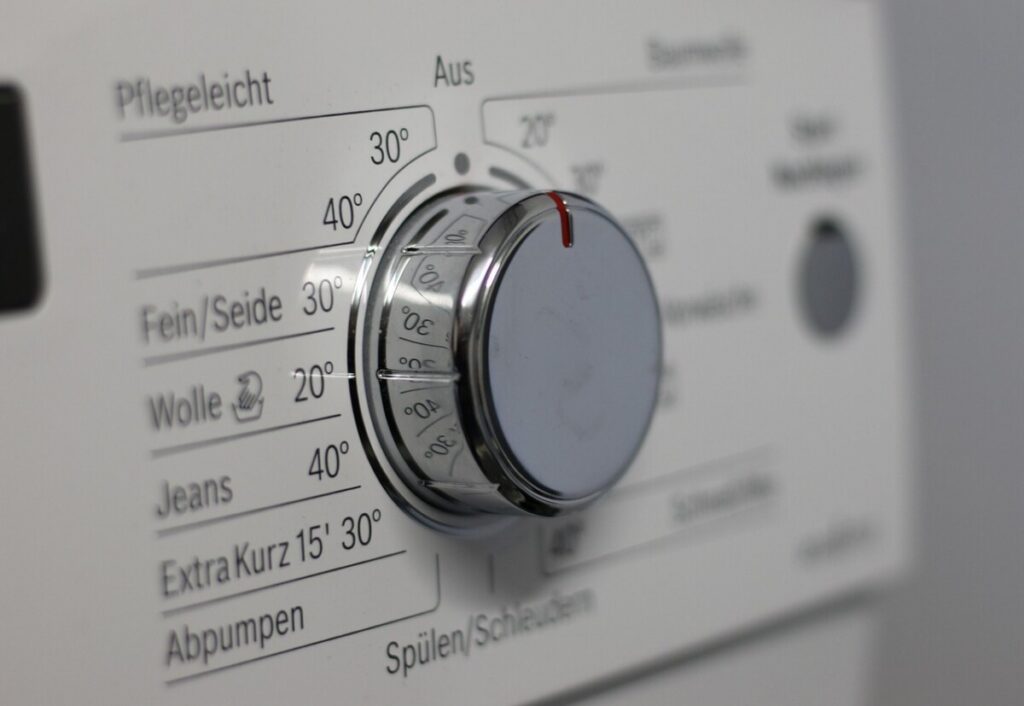
When you choose the cold setting, your machine does not chill the water. It simply uses what comes from the cold tap, or in some models a mix that leaves the heater off. That means your wash temperature follows the seasons. Water in a northern home in January can be far colder than water in a southern home in July, and the same “cold” cycle will feel very different.
Many washers also label settings as “tap cold” or “cold/cold.” Tap cold means the machine adds no heat at all. A plain “cold” setting on some models may add a little warm water when the incoming water is very cold, so the machine can reach a minimum temperature. Check your manual to see how yours behaves.
Why temperature affects cleaning at all
Cleaning is a mix of four things: chemistry from the detergent, mechanical action from the drum, time, and temperature. If you lower one, the others have to carry more of the load. When you wash cold, you lean on better chemistry and good mechanical action. That is why overloading the drum and cutting the cycle short hurt cold washes more than warm ones. For a refresher on how those pieces fit together, see our guide to how laundry detergent works.
What cold does to the detergent itself
Surfactants, the cleaning molecules in detergent, lift oily soil off fabric and keep it suspended in the water. They dissolve and work in cold water, but they do so more slowly than in warm. Powders and some very dense products can also dissolve more slowly in cold water, which is the main practical problem with a cold wash, not the cleaning power itself.
Which Detergents Work Best in Cold Water
Look for a detergent that says it is formulated for cold water, or one that lists enzymes among its ingredients. The American Cleaning Institute notes that enzymes help clothes get clean in cold water, and that newer detergent technology uses enzymes that work better at lower temperatures. You can read its overview on the Cold Water Saves page.
Liquids, powders and pods in cold water
- Liquids usually dissolve easily in cold water, which makes them a reliable default for cold cycles.
- Powders can leave a chalky residue or clump in very cold water, especially in a crowded drum. If you prefer powder, pre-dissolve it in a cup of warm water before adding it, or add it to the drum before the clothes.
- Pods and packs are designed to dissolve in water at a range of temperatures, but the film can fail to dissolve fully in a packed load. Place the pod at the bottom of the empty drum, then add clothes on top.
If you are still choosing between formats, our comparison of liquid, powder and pod detergent goes deeper.
Use the right amount
In cold water, too much detergent is as much of a problem as too little. Extra product does not clean better, and it can leave residue that makes clothes feel stiff or smell stale. Follow the dosing lines on the bottle and your machine manual, and use the lower amount for lightly soiled loads.
What Cold Water Cleans Well, and What It Does Not
For ordinary dirt, perspiration and everyday wear, cold water with a good detergent does an excellent job. In several cases it does a better job than hot, because heat can set certain stains permanently.
| Soil or load | Cold water | Better with warm or hot |
|---|---|---|
| Grass, blood, egg and other protein stains | Best choice. Heat can set these stains. | Avoid heat |
| Coffee, tea, juice and wine | Works well, especially if treated early | Usually unnecessary |
| Everyday sweat and body soil | Works well with an enzyme detergent | Optional for heavy buildup |
| Baby food, pasta and other starch stains | Works well with an enzyme detergent | Rarely needed |
| Cooking oil, butter and greasy food | Often leaves a faint shadow | Warm helps loosen fats |
| Heavily soiled work clothes, sports gear | May need a pre-treat and a longer cycle | Warm or hot, if the label allows |
| Bath towels, bedding, cloth diapers | Fine for light use | Warm or hot for sanitizing, per the label |
| Dark and bright colors | Best choice, helps prevent fading and bleeding | Avoid heat |
The American Cleaning Institute also points out that some stains, including grass, makeup and blood, should be washed in cold water only because hot water can make them permanent. Its stain removal guide lists treatment steps for dozens of common stains.
Oily and greasy stains
Fats and oils are the main weakness of cold washing, because they are stiffer and harder to loosen at low temperatures. ENERGY STAR itself notes that cold water generally does a good job unless you are dealing with oily stains. For those, rub a little liquid detergent directly into the spot, let it sit for 10 to 15 minutes, and then wash on the warmest setting the fabric allows.
Stain pre-treatment makes cold work better
- Blot or scrape off any solid residue without rubbing it in.
- Apply a small amount of liquid detergent or a stain remover directly on the stain.
- Work it in gently with your fingers or a soft brush.
- Let it sit for 10 to 15 minutes. Longer is fine for tough stains if the fabric allows it.
- Wash on cold with a full dose of detergent, then check the stain before drying. Heat from the dryer can set a leftover stain.
When Warm or Hot Water Is Still the Right Call
Cold is a good default, not a rule. There are times when you should turn up the heat.
Sanitizing and germ concerns
Cold water alone does not sanitize laundry. If someone in your home has been sick, or you are washing items such as cloth diapers, towels used by several people or heavily soiled bedding, warmer water or a laundry sanitizer can make a difference. We cover this in detail in our posts on how to kill germs in laundry and whether bacteria can survive a clothes wash.
Heavily soiled whites, towels and bedding
White cotton items that carry a lot of body oils, such as towels, sheets and undershirts, often come cleaner and stay fresher with a warm or hot wash. If you notice that towels or sheets smell flat after cold washes, a periodic hot wash can help reset them, as long as the care label allows it.
Care labels come first
The label on your garment is the final word. Most care labels show the maximum water temperature the fabric can handle, shown as dots or a number inside a tub symbol. Cold is almost always within that limit, but some items, such as certain work uniforms or cotton diapers, come with manufacturer wash instructions that call for heat. Follow them.
Dust mites and allergy-focused loads
If you wash bedding for allergy reasons, check the guidance in our laundry detergent guide for allergy sufferers and your doctor’s advice, since temperature recommendations for allergen control differ from everyday cleaning.
How Much Energy Does Cold Water Save?
This is where cold washing pays off. According to ENERGY STAR, water heating accounts for about 90 percent of the energy a clothes washer uses. Its advice is simple: switching from hot to warm cuts a washer’s energy use in half, and switching to cold cuts it even more. You can read the tip on the ENERGY STAR clothes washer page.
Because the heater is doing most of the work in a hot cycle, the savings do not depend on a brand of detergent or a fancy machine. They come from not heating the water. If you do about the same number of loads each week and move most of them from warm to cold, your water heater runs less, and your energy bill shows it. The exact dollar figure depends on your local utility rates, your water heater type and how often you do laundry, so check your own bill rather than trusting a flat number.
Cold wash tips that protect those savings
- Wash full, but not overstuffed, loads. Clothes need room to move and rinse.
- Choose a detergent labeled for cold water or one with enzymes.
- Pre-treat stains instead of defaulting to hot water for the entire load.
- Reserve warm or hot for the loads that really need it, and group them together.
- Clean the washer regularly. Cold water does not melt away detergent and soap residue the way heat can, so follow your manual’s washer-cleaning instructions and leave the door ajar between loads.
A Simple Cold Wash Routine
- Sort by color and soil level, and set aside greasy items for a warm wash.
- Pre-treat visible stains and let them sit for 10 to 15 minutes.
- Measure a cold-water-friendly detergent using the dosing line for your load size.
- Load the clothes loosely so the drum is no more than about three quarters full.
- Select the cold cycle, and add an extra rinse if you notice residue or sensitive skin.
- Remove the clothes promptly and dry them. Check stains before the dryer.
Frequently Asked Questions
Does cold water ruin detergent or stop it from working?
No. Detergent is designed to work across a range of temperatures. Cold water slows how fast some products dissolve, so liquids or pre-dissolved powders are the easier choice.
Do I need a special cold water detergent?
Not strictly. Most major liquid detergents work in cold water. Products labeled for cold water or containing enzymes are formulated to perform well at low temperatures, so they give you a safer margin on tougher soils.
Will cold water wash kill germs?
Not reliably. Cold washing removes much of the dirt and many germs by rinsing them away, but it does not sanitize. Use hotter water, a laundry sanitizer or the dryer when hygiene is a priority, and always follow the care label.
Is cold water better for my clothes?
Generally yes. Cooler water is gentler on fibers and helps reduce shrinking, fading and color bleeding. That is one reason dark and bright items do best in cold.
Bottom Line
For most loads, cold water and a good detergent clean well, protect your clothes and cut the energy your washer uses, since heating water is the biggest energy cost of laundry. Keep warm or hot water in reserve for greasy soils, sanitizing and items whose labels call for it. Dose carefully, pre-treat stains and give clothes room to move, and you will rarely miss the heat.


