

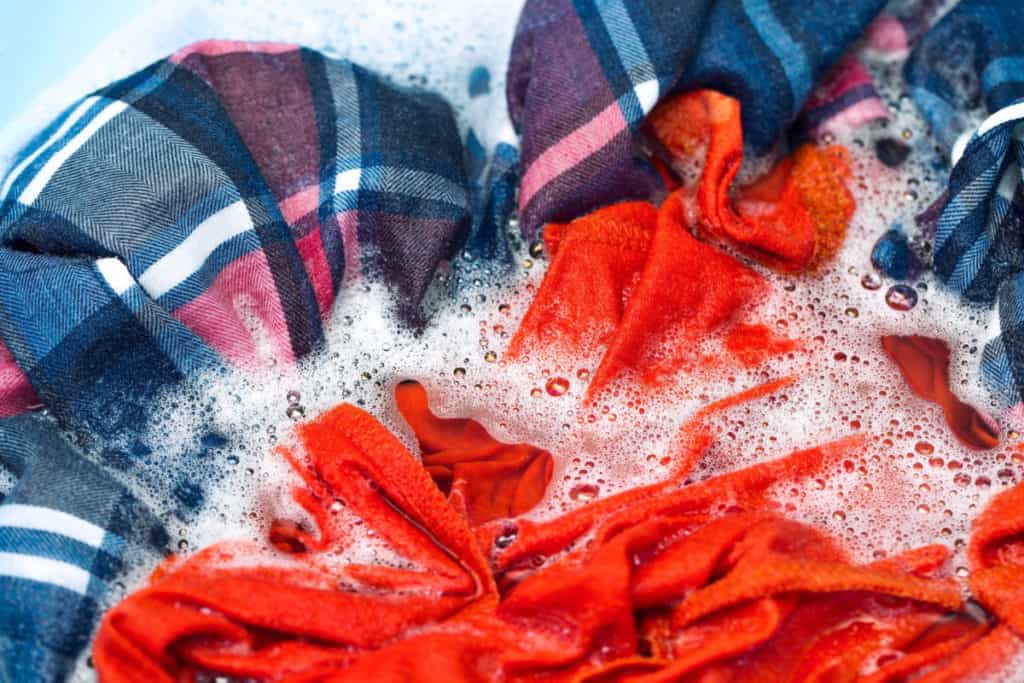
Doing all the household chores yourself is a lot, especially when nobody has shown you how. Soaking clothes sounds simple, but soak them the wrong way and you can end up with faded colors, shrunken sleeves, or stains that never budge. Here is how to do it right.
To soak clothes in detergent, dissolve a small amount of liquid or powder detergent in a tub of water, submerge the garments, and let them sit for 30 minutes at most. Soaking loosens dirt, sweat, and body oils. It is not a wash, so rinse the clothes and run a normal wash cycle afterward.
A soak will not clean your clothes completely. Fabric also holds body oils, germs, and set-in marks that need agitation to come out. And soaking for too long does more harm than good. Below, you will find out when a soak helps, how to do it, and what to avoid.
What Is Laundry Sorting and Why Should You Do It?
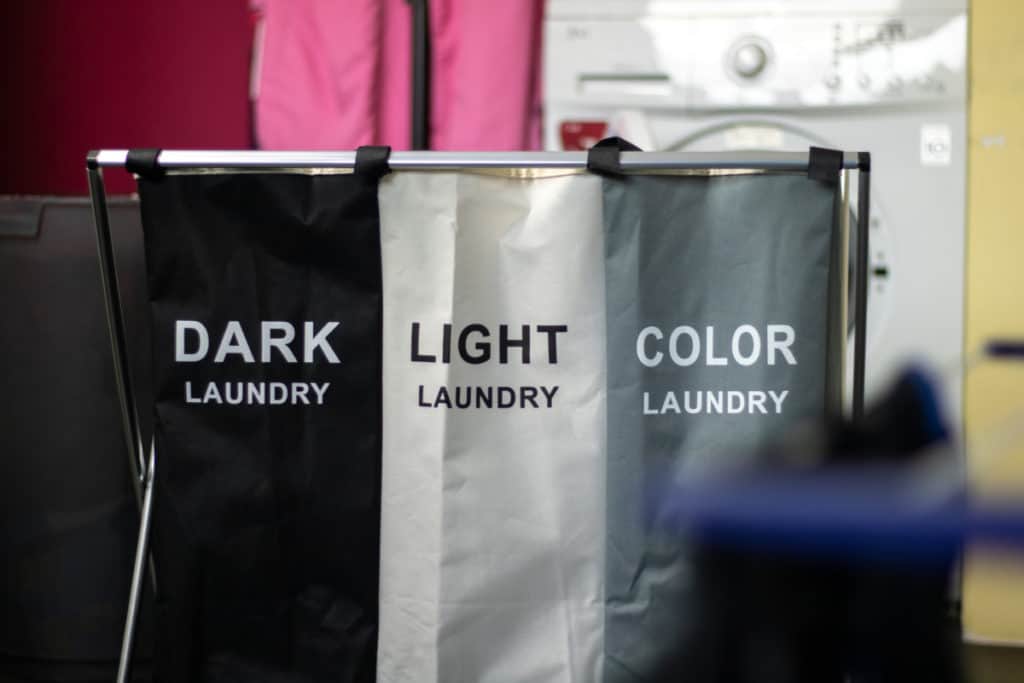
The first step is always sorting. Sorting means separating clothes into groups that can be washed together, such as whites, darks, bright colors, delicates, and heavily soiled items.
Think of gym clothes on one side and bedsheets on the other. Activewear is full of sweat and body oils, and you do not want to transfer those, or any loose dye, onto your sheets. Sorting also keeps one stained item from spoiling a whole load, and it lets you choose the right water temperature and soak time for each group.
If you need a laundry sorter, this one on Amazon is a well-regarded option.
How Does Soaking Help, and Does It Clean Clothes Completely?
Soaking means leaving clothes in water mixed with detergent so that the detergent can start breaking down greasy stains and dirt. The longer the contact, the more time the cleaning ingredients have to loosen what is stuck to the fibers.
Remember, soaking garments does not mean you are washing them.
AllAboutDetergents.com
Soaking alone will not leave clothes fully clean. Dirt, stains, and germs can still sit in the fabric, and they need movement to come out. If you are washing by hand, that means gentle rubbing, as described in our tips for hand washing clothes with detergent. If you use a washing machine, the agitation of the wash cycle does that work for you.
Is Soaking Clothes Necessary?
Not always. Most everyday loads come clean in a normal wash cycle. A soak is worth the extra step for heavily soiled work clothes, sweaty activewear, kids’ play clothes, and fabrics with stubborn stains, because the extra contact time helps loosen body oils and dirt that a quick wash might leave behind.
Skip the soak for delicate items such as silk, wool, and anything with a “dry clean only” or “do not soak” label. Always follow the care label first.
Why You Should Not Soak Clothes for Too Long
Once the detergent has loosened the dirt, there is nothing more for it to do, and extra time only adds risk. Leaving clothes in a detergent solution for hours can fade colors, let dye bleed into other garments, and weaken some fibers. Wet clothes left sitting also start to smell musty. Keep most soaks to 30 minutes, and check on colored items sooner.
What to Avoid While Soaking Clothes
A few simple habits will protect your clothes’ fabric, fit, and color.
Avoid twisting up your clothes while soaking
Do not twist or bunch the clothes together in the tub. Tangled garments soak unevenly, and twisting stretches the fabric. Submerge them gently and press them down so they are fully covered.
Don’t Wring Your Clothes
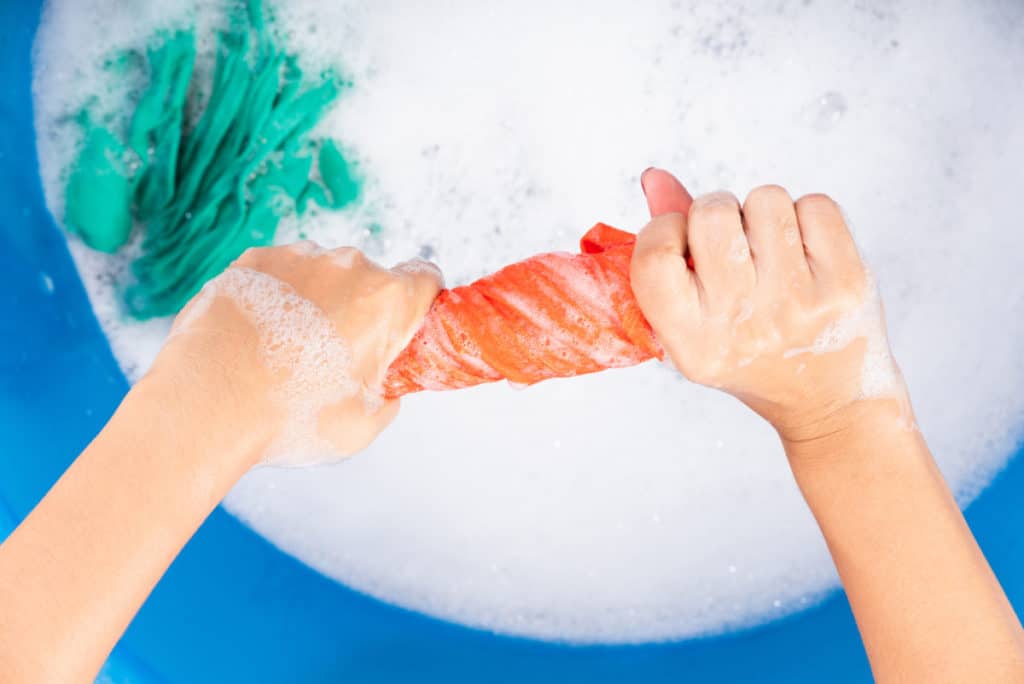
After the soak, lift the clothes out and press out as much water as you can instead of wringing them. Wringing stretches fibers, sets wrinkles, and can distort the shape of the garment. For a drier result, lay each piece on a towel, roll it up, and press gently.
Don’t Soak Whites and Colors Together
Soaking whites together with colored or multi-colored clothes invites dye transfer. New and dark items are the worst offenders, since they often release loose dye into the water. Soak them separately, and keep bright reds and dark blues away from everything else.
Don’t Scrub or Wash Printed Clothes Too Hard
Embroidery, screen prints, and decals wear down faster with hard rubbing and long wash cycles. Turn printed garments inside out, use a gentle cycle, and rub only the stained area softly.
Don’t Wash in the Soaking Water
One of the most common mistakes is washing clothes in the same water they were soaked in. That water now holds all the dirt and body oils that came out of the fabric, and clothes can pick some of it back up. Drain the tub, rinse the clothes, and then wash them in fresh water with fresh detergent. If you are using a machine, you can find out more in our guide on whether to add laundry detergent before or after the clothes.
Don’t Overdo Extra Boosters Like Borax
Borax is a laundry booster that some people add to a soak. Most store-bought detergents already contain ingredients to fight grease, dirt, and odors, so a booster is rarely needed. If you do use one, follow the product directions, keep it away from children, and never combine it with bleach or other cleaners. Skip it for delicate fabrics.
What Water Temperature Is Best for Soaking: Cold or Warm?
Cool or lukewarm water is the safe choice for most soaks. Cold water is gentle on dyes and sensitive fabrics, and it lowers the risk of shrinking and fading. It also works well on protein stains such as blood, milk, and sweat, which can set in hot water.
Warm water dissolves powder detergent better and helps with greasy, oily dirt on sturdy cottons and whites. Very hot water can shrink clothes and fade colors, so use it only when the care label allows. A good trick for powders is to dissolve the detergent in a little warm water first, then add cool water to fill the tub.
Whichever temperature you choose, check the label. Different detergent types also behave differently in the tub, so see our comparison of liquid, powder, and pod detergents if you are unsure which to use. Never use pods for hand soaking, because they are designed to dissolve in a machine.
How to Soak Clothes Step by Step
Check the care label first, and skip the soak for wool, silk, leather trim, or anything marked dry clean only.
Fill a clean tub or sink with cool or lukewarm water. Add the amount of detergent recommended on the label for hand washing, and stir until it dissolves, so no concentrated detergent touches the fabric.
Submerge the clothes, press out trapped air, and set a timer for 30 minutes. For a stubborn stain, rub a little detergent into the spot before the soak.
Lift the clothes out, drain the tub, and rinse them in fresh water. Then wash them as usual in the machine, or finish the job by hand with a gentle rubbing of the dirtiest areas.
Never mix detergent with bleach in the soak, and do not combine bleach with ammonia, vinegar, or other cleaners.
Bottom Line
Sort first, soak briefly, rinse, and then wash. Do that, and your clothes should come out clean without damage to the fabric, color, or size.
AllAboutDetergents.com