
Every time you pour a capful of detergent into the washer, your main goal is simple: clean, fresh clothes. Few of us stop to think about what happens to that detergent after it goes down the drain. It is worth a closer look, because the products we use to wash our clothes end up in rivers, lakes, and oceans.
Laundry detergent affects the environment mainly through the wastewater it creates. Surfactants can harm fish and other aquatic life, phosphates can fuel algae blooms that starve waterways of oxygen, and plastic bottles and bags add to waste. The impact depends on the formula, and modern low-phosphate, biodegradable detergents are much gentler.
To see how detergent can hurt the environment, and what you can do about it, it helps to understand what is inside the bottle.
What Are Detergents?
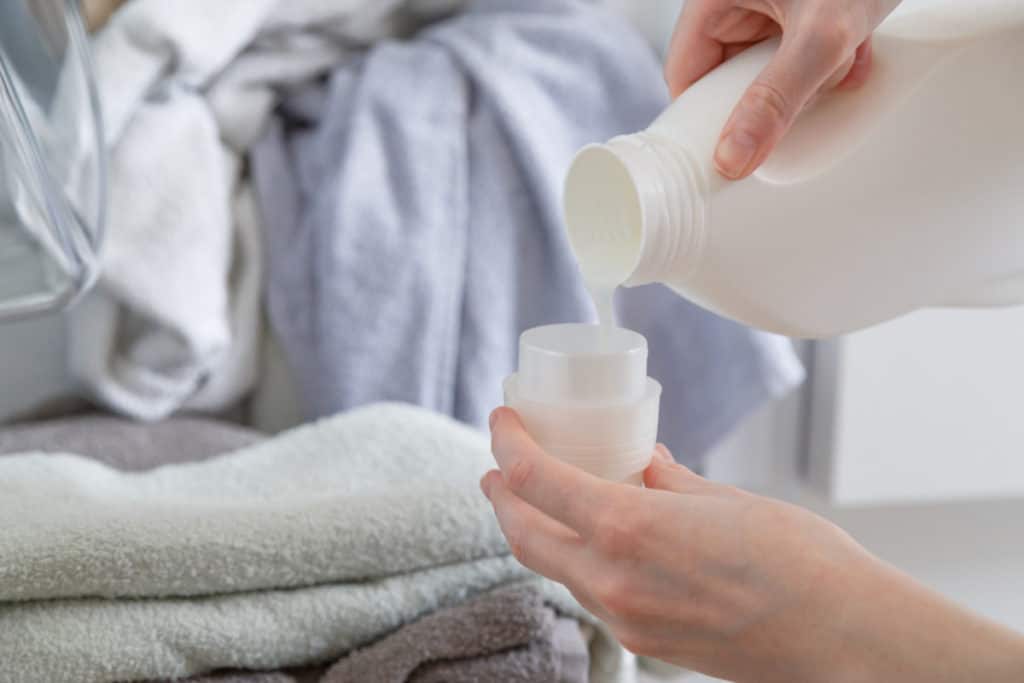
Detergents are cleaning agents made of molecules that attract both water and oil. That two-sided structure lets them pull grease and dirt off surfaces and carry it away in the rinse water. Detergents are made for many jobs, including washing dishes, cars, and clothes, and there are specialized formulas for each.
Laundry detergents are designed for clothes. You add them to the washing machine at the start of the wash cycle, and they come as powders, liquids, pods, and concentrates. They have become an essential part of daily life around the world.
Two ingredient groups matter most for the environment: surfactants and phosphates. Surfactants do the cleaning by helping with emulsifying, foaming, wetting, and dispersing. Phosphates are builders. They soften hard water by binding minerals, which helps detergent work better and keeps dirt suspended in the water.
Phosphates are the bigger environmental concern, which is why many countries and US states have restricted or banned them in laundry detergent.
Read More: What Makes Laundry Detergent Eco-Friendly?
What Is in Laundry Detergent?
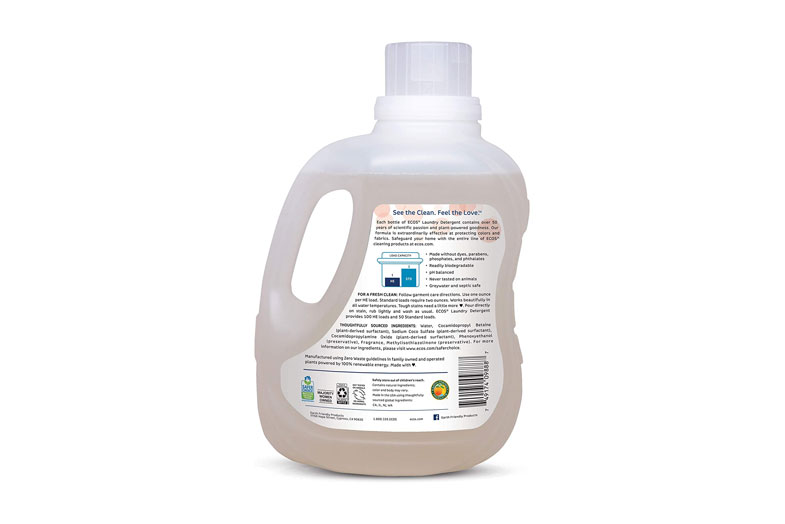
Formulas vary a lot by brand and by product type. Most detergents combine surfactants, builders, and enzymes, and many also include optional extras such as bleach boosters, brighteners, dyes, and fragrances. Builders usually make up the largest share of a powder, while surfactants make up a smaller but crucial part. Each company keeps its exact recipe private, so the details change from brand to brand.
How Detergents Can Harm the Environment
After a wash, the used water leaves your home and goes to a treatment plant, a septic system, or sometimes straight into a waterway. Treatment removes much of what is in it, but not everything. Whatever is left can affect rivers, lakes, and oceans and the creatures that live there.
Surfactants
Surfactants are surface-active agents. They reduce the surface tension between water and oil so dirt can lift off fabric and rinse away. Common types include anionic and nonionic surfactants, such as alkyl sulfates, alkyl ether sulfates, and fatty alcohol ethoxylates. You can read more about anionic surfactants in our guide.
Surfactants are extremely helpful for cleaning, but at high enough concentrations they can be toxic to aquatic animals.
What Surfactants Do to Aquatic Life
Surfactants can damage the protective mucus layer that coats fish. This layer works like a barrier against parasites and bacteria, so fish with a damaged layer are more vulnerable to infection. Some surfactants also damage fish gills.
Because surfactants lower the surface tension of water, they can also help pollutants and pesticides move into aquatic organisms more easily. Studies have linked some surfactants and their breakdown products to effects on reproduction and hormone systems in animals.
Older detergents often used a surfactant called linear alkylbenzene sulfonate (LAS) or its predecessor, branched alkylbenzene sulfonate, which broke down very slowly. Modern formulas are designed to biodegrade much more readily, which greatly reduces this problem, although it has not disappeared entirely.
Read More: Can Your Detergent Impact Your Acne and Skin?
Phosphates
Phosphates soften hard water so detergent can remove ingrained dirt more easily. Phosphorus is also an essential nutrient for plants and animals, and phosphates have low direct toxicity to people. The problem is what happens when too much reaches a waterway.
What Phosphates Do to Waterways
Extra phosphate acts like fertilizer. It feeds algae, which grow rapidly and form thick blooms on the water surface. When the algae die, bacteria break them down and use up much of the oxygen in the water.
This process is called eutrophication. Low oxygen can kill fish and other aquatic life, and some algae blooms also release toxins.
Laundry detergent used to be a significant source of phosphorus in wastewater. Because of that, phosphates in laundry detergent have been banned or limited in many US states and in many other countries. Farm runoff and other sources also contribute, so detergent is only part of the picture today.
Bleach and Chlorine Compounds
Chlorine bleach is sodium hypochlorite, a strong oxidizer. It is sold as a separate laundry product, and most everyday laundry detergents do not contain it. Many contain oxygen-based bleaching agents instead, which break down into water, oxygen, and mild salts.
Chlorine bleach can react with organic matter to form chlorinated by-products, some of which are harmful to the environment. It can also irritate the lungs and eyes of people and pets. Use it only as directed, in a well-ventilated space, and never mix it with ammonia, vinegar, or other cleaners, because the combination can release toxic gases.
Phenols
Phenol is a toxic organic compound that can harm the nervous system, lungs, kidneys, and other organs in high exposures. It is more typical of industrial processes and some disinfectants than of ordinary household laundry detergent. If you want to avoid it, read the ingredient list and choose products that do not list phenolic compounds.
Dyes and Fragrances
Dyes are added to detergent only for looks. They have no cleaning role. They can irritate sensitive skin, and researchers have identified them as a common cause of irritation for some people. If you have sensitive skin, choose a dye-free and fragrance-free detergent.
Plastic Packaging
Powder detergents often come in cardboard boxes or plastic bags, and liquid detergents come in plastic jugs and bottles. Many rigid plastic bottles can be recycled, but thin film bags and pump heads often cannot. Check your local recycling rules before you toss them in the bin.
Liquid laundry detergent is a big category. Market data on the top liquid laundry detergent brands in the United States shows how many households use these products. With that many bottles in circulation, packaging adds up fast, along with the energy used to make and ship it.
Effects on Aquatic Life
Apart from damaging the mucus layer on fish skin, some detergent ingredients injure fish gills. The harm increases with concentration, and small amounts can still make fish more vulnerable to other pollutants. Eggs and young fish are especially sensitive.
In most places, wastewater treatment dilutes and breaks down detergent ingredients before they reach natural waters, so the biggest risks come from untreated discharge, overloaded systems, and direct washing in streams or lakes.
Research on well-known detergent brands has also suggested that certain ingredients can reduce populations of bacteria in seawater, which are an important base of the marine food chain.
Read More: Are Fabric Softeners Good for Asthma?
How to Reduce Your Detergent Footprint
You do not need to give up clean laundry to protect waterways. A few small changes make a real difference.
Read the Label
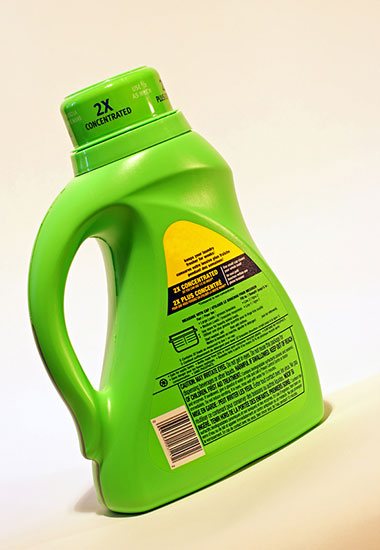
Reading the label takes only a minute. Look for terms such as phosphate-free, biodegradable surfactants, and dye-free and fragrance-free. Keep a short list of ingredients you want to avoid on your phone so you can compare products in the store.
Use Less, and Wash Smarter
- Measure the dose instead of guessing. A dosing device helps.
- Wash full loads and use cold water when the care label and stains allow it.
- Choose concentrated detergents or refill packs to cut down on packaging.
- Recycle bottles and jugs where your local program accepts them.
Conclusion
Laundry detergent affects the environment through its ingredients and its packaging. Surfactants can harm fish and other aquatic life, phosphates can trigger algae blooms and oxygen loss, and plastic adds to waste. Modern formulas have cut these impacts significantly, but they have not eliminated them.
The simplest approach is to choose a phosphate-free, readily biodegradable detergent, use only the amount you need, and recycle the packaging. Small choices like these protect rivers and oceans, and they cost very little. For a deeper look at greener options, see our guide on what makes a detergent eco-friendly.