


Laundry detergent cleans your clothes, so it is easy to assume it could never hurt your plumbing. In reality, a habit of using too much can put a slow strain on your drains and your washing machine, and most people never think about it until a drain starts backing up.
Liquid detergent used in the recommended amount rarely clogs pipes. Problems start when you use too much, because the extra detergent leaves residue that mixes with lint and grease and builds up inside drain lines. Powdered detergents are generally more likely to leave residue than liquids.
With a few simple habits you can protect your pipes and appliances. Below you will find what causes clogs, how to clear a slow drain safely, and how to prevent the problem.
Does Liquid Detergent Clog Pipes?
Used correctly, liquid detergent has little to no chance of clogging a pipe. Any clogging happens slowly, over months or years, and it is almost always linked to overuse. Too much detergent leaves film and residue behind, and that film collects lint, hair and grease.
The formula matters too. Check the label for what is in your detergent, and choose a product that dissolves well in your water. In hard water or cold water, detergent and soap residue is more likely to stick to pipe walls.
How Detergent Can Contribute to Clogs

Whether your pipes clog depends mostly on how much detergent you use and how well it rinses away, not on one particular ingredient. Here are the main factors.
Oversudsing and Residue
When you add more detergent than the load needs, the washer cannot rinse it all out. The leftover detergent and soap scum cling to the inside of the drain line. Over time the layer thickens and narrows the pipe.
Harsh Cleaning Chemicals
Some laundry products and household cleaners contain strong alkaline ingredients such as sodium hydroxide (lye) or potassium hydroxide (potash). These are normal in cleaning products and are safe when used as directed. Overusing them, or sending large amounts down the drain, is hard on older pipes and seals.
Commercial Clog Removers
If a pipe is already clogged, think twice before reaching for a chemical drain cleaner. These products contain very strong chemicals that can damage older pipes, can splash and burn skin, and may not clear a clog caused by soap and lint. Never mix them with bleach, vinegar or any other cleaner.
Follow the package directions exactly, and call a plumber if you are not sure it is safe for your plumbing.
How to Clear a Detergent Clog

Greasy detergent and soap residue are the usual cause of a slow drain. The residue coats the inside of the pipe, traps lint and slows the flow of water until it blocks.
For a minor slowdown, you can often fix it yourself before calling a plumber. Try the gentle methods below first.
Salt and Hot Water
For a mild, greasy slowdown, pour about half a cup of salt down the drain. Follow it with about 3 liters (roughly 3 quarts) of very hot water, then leave the drain alone for a while. The hot water helps melt greasy residue, and the salt adds a little abrasion to help loosen it.
Use hot water rather than cold, because cold water will not melt the grease. Be careful with boiling water if you have PVC pipes, since very hot water can soften them. Use water that is hot from the tap or just below boiling instead.
This approach works best on narrow kitchen and bathroom drains. It will not clear a heavy blockage.
Enzyme Drain Cleaner
Enzyme or bacterial drain cleaners are widely sold and are a gentler alternative to chemical clog removers. They contain enzymes or beneficial bacteria that break down organic buildup such as grease and soap residue.
They work slowly, often overnight, and they are usually safe for pipes and septic systems. Follow the directions on the label.
Why the Recommended Amount of Detergent Matters
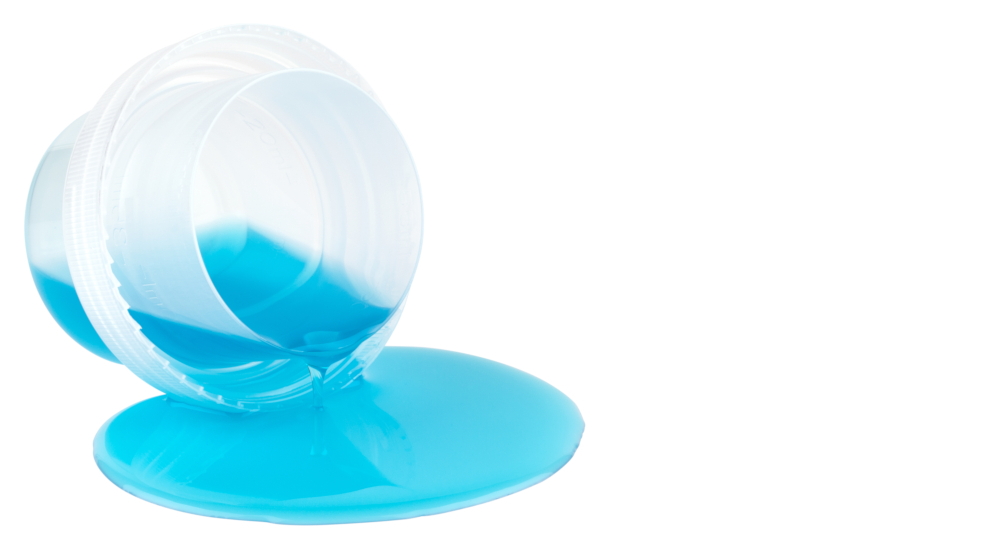
Even if you have found a great liquid detergent, that does not mean you can pour in any amount. More detergent does not mean cleaner clothes. It means more residue for your washer and your drains to deal with.
Using Too Much Detergent
Too much detergent can leave residue in the washer, the drain line and the pipes. You might not see the effect right away, but over months it can slow your drains and cause odors in the machine.
Excess detergent can also stay in your clothes. Leftover residue can irritate sensitive skin, so the right dose helps your family as well as your plumbing.
Read More: Can Your Detergent Impact Your Acne and Skin?
Using Too Little Detergent
Using too little detergent is a problem too. The dirt is not removed completely, and clothes come out looking dull and gray.
A measuring cup or dosing device makes it easy to find the right amount. Work it out once for your usual load, then stick to it.
Read More: What Are Dosing Devices and Why Do I Need Them?
How to Prevent Clogged Pipes
The two biggest protections are choosing a good detergent and using the right amount. Make it a habit to read the label before using any product. These simple tips will help.
Choose a Gentle, Well-Dissolving Detergent
What a detergent is made from affects how it behaves in your pipes. Choosing a product with a more eco-friendly formula is a good way to play it safe, and it also reduces your impact on the environment.
Liquid detergent also dissolves more easily than powder, especially in cold water, so it tends to leave less residue behind.
Read More: What Makes Laundry Detergent Eco-Friendly?
Call a Plumber for a Persistent Slow Drain
A slow drain is an early sign of a clog. Even if you use detergent correctly, pipes can still clog from lint, hair or grease. If home methods do not help, or if water backs up, call a plumber before the problem gets worse.
Clean the Washing Machine With White Vinegar

Detergent does not keep your machine clean by itself. Residue can build up inside the drum, the gasket and the hoses. It helps to deep clean your washer about once a month.
Run an empty hot cycle with a couple of cups of white vinegar, or use a washing machine cleaner as your manual recommends. This helps remove residue from the machine and rinses some of it through the drain. Never add bleach to the same cycle.
Treat the Drain Regularly
Flushing the drain every month with very hot tap water or an enzyme drain treatment helps wash away residue before it builds up. Avoid using strong chemical drain openers as a routine treatment.
Use the Recommended Amount of Detergent
Always add detergent in the amount recommended on the label. Using too much causes excess suds and leftover residue, which can stick in the pipes and build up over time.
Some liquid detergents are concentrated and others are not, so there is no single amount that works for every product. Check the label and measure each time.
Read More: Is Liquid Detergent Bad for Washing Machine?
Frequently Asked Questions
How much detergent is too much for my pipes?
Any amount beyond the label dose is more than your washer can rinse out. If you see suds in the drum during the rinse, or a slimy film on the door seal or drain hose, you are probably using too much. Cut back by a quarter and see whether the suds disappear.
Is powder or liquid detergent worse for clogs?
Powder is more likely to leave undissolved residue, especially in cold water. Liquid usually dissolves more easily. Either one can contribute to buildup if you overdose. Dissolve powder in warm water first, or run warmer cycles now and then.
Can I pour boiling water down any drain?
Not always. Boiling water can soften PVC pipes and crack porcelain. Very hot tap water is the safer choice. If you are unsure what your pipes are made of, ask a plumber.
When should I call a plumber?
Call one if several drains in the house run slowly, if water backs up into a tub or floor drain, or if you smell sewage. Those signs point to a blockage deeper in the system that home methods will not clear.
Conclusion
Liquid detergent can contribute to clogged pipes, but it rarely does when used correctly. The real problem is using more than the recommended amount.
Measure your detergent, clean your washer regularly and flush your drains with hot water. If a drain does slow down, gentle methods like salt and hot water or an enzyme cleaner often help. For anything more serious, call a plumber.