


Doing laundry by hand or by machine can be tiring, and the results are not always what you hoped for. That is where laundry detergent accessories help. Just as knives, peelers, and tongs make cooking easier, dosing balls, mesh bags, and laundry enhancers make washing clothes simpler and more reliable.
Laundry detergent accessories are small tools that help you wash clothes more accurately and gently. Dosing balls and scoops measure the right amount of detergent, mesh bags protect delicates from snagging and stretching, and laundry enhancers (also called boosters) are add-ins that help freshen clothes. None are essential, but each can improve results and save money.
This guide explains what each accessory does, how to use it, and when it is worth buying.
What Are Dosing Devices?
Pouring too much detergent into the washer is a common mistake. The extra soap does not get rinsed out completely and can leave a film on clothes. It wastes product, and the clothes can end up looking dull and feeling stiff instead of clean.
Dosing devices solve this problem. They measure detergent accurately so you do not waste product or leave residue on your clothes. They include dosing balls for liquid detergent and scoops for powder detergent. To learn more, read our article on dosing devices and why you need them.
How to Use Dosing Balls
A dosing ball holds a set amount of liquid detergent, and the size varies by brand. Check the detergent label to see how many balls a normal load needs, and do not add extra to the machine.
Fill the ball to the marked line with liquid detergent, then place it in the drum with your clothes, not in the dispenser drawer. Add the laundry, close the door, and start the cycle. The ball releases the detergent into the water as the drum turns, which helps it spread evenly through the load.
You can also use a dosing ball for hand washing delicates and lingerie. Check the detergent label for how much to use per basin of water, measure it with the ball, and mix it well before you add the clothes. Wear gloves to protect your hands.
Read More: How to Use Liquid Detergent and Dosing Balls
How to Use a Powder Detergent Scoop
A dosing ball does not work well for powder detergent, so many brands include a measuring scoop in the box. The scoop holds a standard amount for a normal load, which is why it is more accurate than pouring by eye. The right amount depends on the brand, so always follow the directions on the package.
For heavily soiled clothes or a very large load, the package usually allows a larger dose. Do not go beyond what the label recommends. Too much powder can leave a residue on your clothes and build up in the washing machine. For more tips, see our powder laundry detergent do’s and don’ts.
Read More: What to Do When You Lose Your Laundry Detergent Cap
Hand Washing Laundry
Fill a tub with warm water and measure the amount of powder recommended on the package for that volume of water. Wear gloves to protect your hands, and stir until the powder dissolves completely.
When the powder has dissolved, add the clothes and let them soak briefly. For lingerie and other delicates, do not rub the pieces against each other or against the sides of the tub. Lift them in and out of the water a few times to loosen dirt instead.
Then rinse the clothes in plain, cool water until all the detergent is gone.
Doing Laundry in the Washing Machine
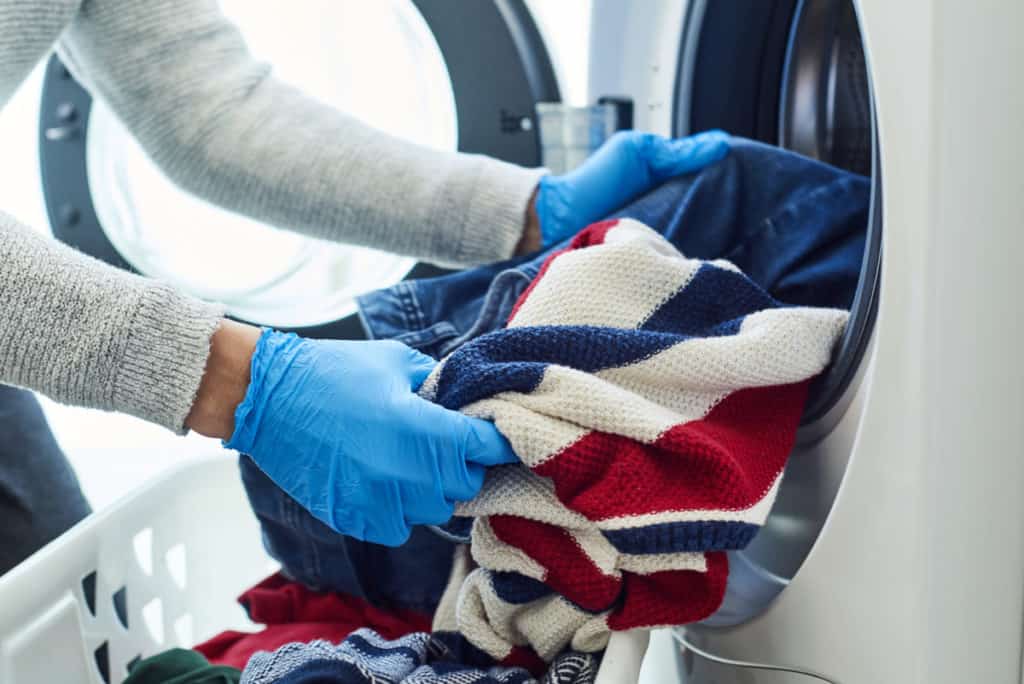
A powder scoop takes the guesswork out of dosing, especially if you are new to doing laundry. Measure the powder as directed on the package and add it to your machine’s detergent compartment.
The amount you need depends on the size of the load, how dirty the clothes are, and how hard your water is. Start with the recommended dose and adjust only if the label allows it.
What Are Laundry Enhancers and Boosters?

Sometimes you follow every laundry rule. You dose the detergent correctly and choose the right water temperature and cycle, but your clothes still look dull or smell stale. If that sounds familiar, a laundry enhancer may help.
A laundry enhancer, sometimes sold as a laundry booster, is an additive you use along with your regular detergent. The two names are often used interchangeably, although formulas differ by brand. Many are designed to help remove odors such as mildew or musty smells, and some brands add fragrance to the formula.
Ingredients vary from product to product, so read the label of the one you buy. Many well-known brands make enhancers, and they are usually sold in bottles or as powders.
Keep in mind that an enhancer is not a replacement for detergent. It supports your detergent by helping with odors and freshness, but it will not do the main cleaning job on its own.
Depending on the product, you may find these benefits:
- Works with different machines: Many enhancers can be used in both high-efficiency and regular washers. Check the label to be sure.
- Helps with odors: Enhancers are mainly aimed at musty, sweaty, or mildew smells that normal detergent may not fully remove.
- Fragrance-free options: If you react to perfumes in laundry products, look for an unscented enhancer. Check the ingredients if you have allergies or sensitive skin.
How to Use Laundry Enhancers
Enhancers work alongside your detergent in the wash, so use them only on machine-washable fabrics. Do not use them on items that are labeled dry-clean only.
Many enhancers are safe for common washable fabrics such as cotton, nylon, polyester, rayon, and washable wool. Check the product label for the full list, and always follow the garment’s care label.
Top-Loading Washing Machines
The process is simple in a top loader. Start the machine filling with water, add your detergent, and then add the amount of enhancer listed on the label. Let the water mix, then add the clothes.
Run a regular cycle. Depending on the product, some enhancers may let you skip other add-ins, but check the label before dropping fabric softener or other products from your routine.
Front-Loading Washing Machines
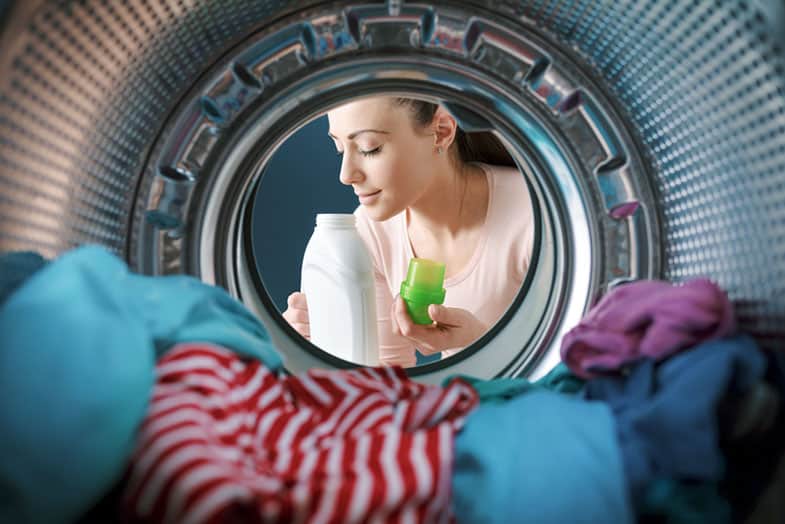
Front-loading machines have separate compartments for different laundry products, but there is rarely one for enhancers. If your machine has no dedicated slot, follow the product directions. In most cases, you put the detergent in its compartment, add the enhancer to the drum (or the compartment the label recommends), then load the clothes and start the cycle.
What Are Laundry Mesh Bags?
A mesh bag is another handy laundry accessory. It lets you wash delicate items and lingerie in the machine without damaging them. Mesh bags are made of a net-like fabric with many tiny openings.
The openings let water and detergent flow through while keeping delicates separated from other clothes, which protects them from friction and snagging.
Mesh bags close in different ways, such as with a zipper, a clip, or a rubber band.
What Can You Wash in Mesh Bags?
- Socks: If you often lose small socks in the washer, put them in a small mesh bag. After the wash, you can often move the same bag to the dryer if the bag is dryer-safe. This keeps pairs together and prevents misplaced socks.
- Lingerie: Many lingerie care labels recommend hand washing, especially for embroidered or embellished pieces. If the label allows machine washing, a mesh bag helps stop straps from tangling and keeps pieces from losing their shape.
- Sweaters: Wool and knit sweaters are often labeled hand wash only. If the label allows machine washing, use a large mesh bag, choose a gentle cycle, and leave plenty of room in the drum so nothing tangles with the knits.
- Delicate tops: Light blouses and other items that snag or pull easily are safer inside a mesh bag.
For detailed steps, see our guide on how to wash lingerie and delicates in liquid detergent.
Types of Mesh Bags
Mesh bags differ mainly by closure type, and the fabric can vary too. Here are the three most common types.
1. Rubber Closure
Rubber closures do not have metal or hard parts, so they are gentle on clothes, the dryer, and the drum. The downside is that the closure can slip off or get lost in the appliance.
2. Zipper
Zipper bags are the easiest to use. Put in the clothes and zip the bag closed. The zipper can break over time, so choose a sturdy bag.
3. Net Clip
This type is closed with a clip. The clip can also come loose, but it is easier to use than a rubber closure.
How to Use Laundry Mesh Bags
Mesh bags protect clothes from damage during the wash. You can also use them to keep small items such as socks from getting lost.
Place the delicates or lingerie inside, fasten any hooks, and close the bag. Put the bag in the washer and choose a suitable cycle. Do not wash delicates in a mesh bag with heavy items such as jeans or towels, because the weight can still damage them. Wash them with other light clothes instead.
Frequently Asked Questions
Do I really need a dosing ball?
No, but it helps. A dosing ball or scoop takes the guesswork out of measuring, which prevents overuse, residue, and wasted detergent. If you already measure carefully with the cap, you can skip it.
Can I use a laundry enhancer instead of detergent?
No. An enhancer is an add-in that supports your detergent, mainly by helping with odors and freshness. You still need detergent to remove dirt and stains.
Can I put a mesh bag in the dryer?
Often yes, but only if the bag is labeled dryer-safe and the items inside can be machine dried. Delicates such as lingerie are usually better air dried. Check both the bag and the garment care label first.
How many items should I put in one mesh bag?
Do not stuff the bag. Items need room to move in the water, or they will not rinse clean. A single bra or a few pairs of socks per bag is a good rule of thumb.
Conclusion
Dosing devices, mesh bags, and laundry enhancers are accessories that many people overlook, but they are worth having in your laundry room.
Use dosing devices for accurate measurements, mesh bags to wash delicates safely, and enhancers to help clothes smell fresh. Together, they make laundry easier and help your clothes last longer.