
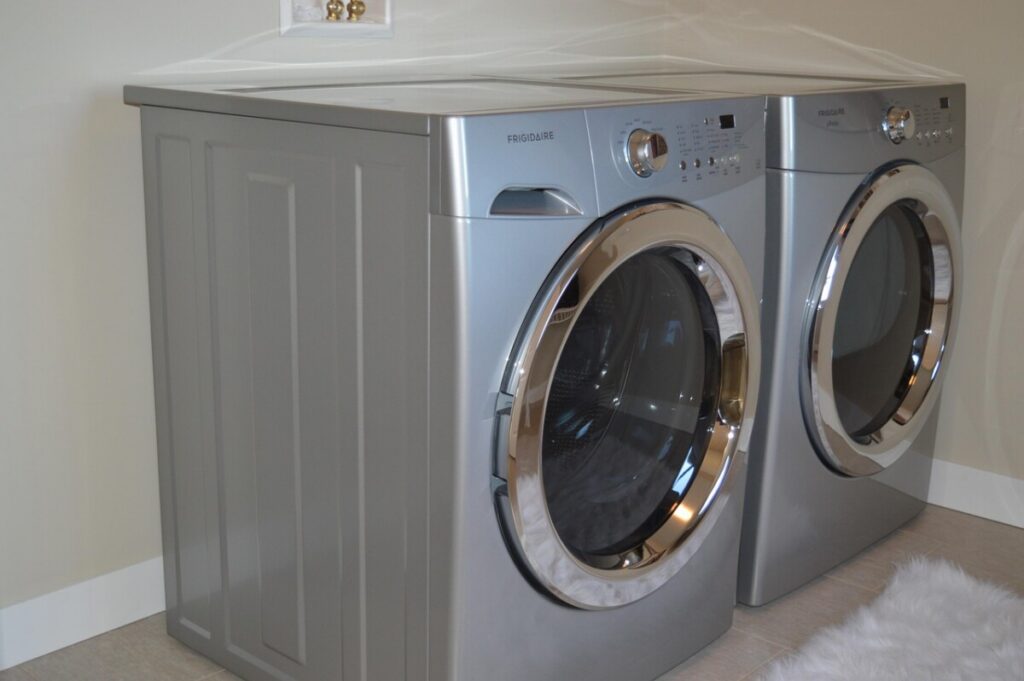
Laundry never ends, and understanding the basics helps you keep your clothes looking good for longer. One of the biggest time-savers is the tumble dryer.
But using one well means knowing what the symbols, heat settings, and dryer types mean. The right choices protect your clothes, your dryer, and your energy bill.
Tumble dry means drying clothes in a dryer, where warm air and the tumbling drum remove moisture. The “tumble dry” symbol on a care label is a square with a circle inside it, and the dots show the heat level: one dot for low, two for medium, three for high, and a solid circle for no heat. A crossed-out symbol means do not tumble dry.
What Is Tumble Drying?
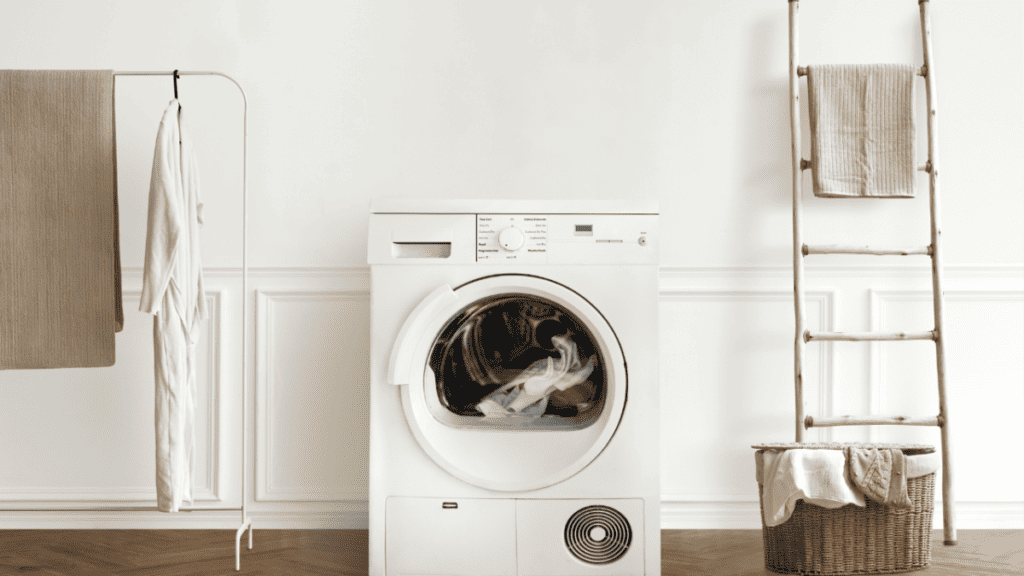
Tumble drying is a faster alternative to air drying. Instead of waiting for hours for clothes to dry on a line or rack, you dry them in a machine using heat and motion. It saves plenty of time, which is what most busy households need.
Before you start, check the care label for the tumble dry symbol, which is a square with a circle inside it.
Pros of Tumble Drying
- It is much faster than line drying, which can take hours or even days in some conditions.
- It saves space. Line drying takes up room that small apartments often lack.
- It does not depend on the weather, so you never have to rush outside when it starts to rain.
- Clothes usually come out with fewer wrinkles.
Cons of Tumble Drying
Tumble drying also has drawbacks.
- It is not suitable for every fabric.
- It uses a lot of energy compared with air drying.
- Dark colors can fade over time. Our guide to caring for black clothes has more on preventing fading.
- Heat can shrink some fabrics.
Types of Tumble Dryers
Each type of dryer has its own benefits, so it helps to know the differences before you buy.
Heat Pump Dryers
Heat pump dryers are among the most energy-efficient options. They recycle warm air inside the drum instead of releasing it, which lowers energy use and is gentler on fabric. The trade-off is that cycles can take a little longer.
Condenser Dryers
Condenser dryers collect moisture from the clothes in a water container, so they do not need an outside vent. That makes them flexible to place in your home. You do need to empty the water container regularly.
Vented Dryers
Vented dryers push moist air out through a hose or duct to the outside. They dry clothes efficiently, but they must be installed near a proper vent, which limits where you can put them.
| Dryer type | Venting needed | Energy use | Notes |
|---|---|---|---|
| Heat pump | No | Lowest | Gentle on fabric, longer cycles |
| Condenser | No | Medium | Empty the water container often |
| Vented | Yes | Higher | Efficient drying, fixed placement |
Tumble Dry Symbols and Settings
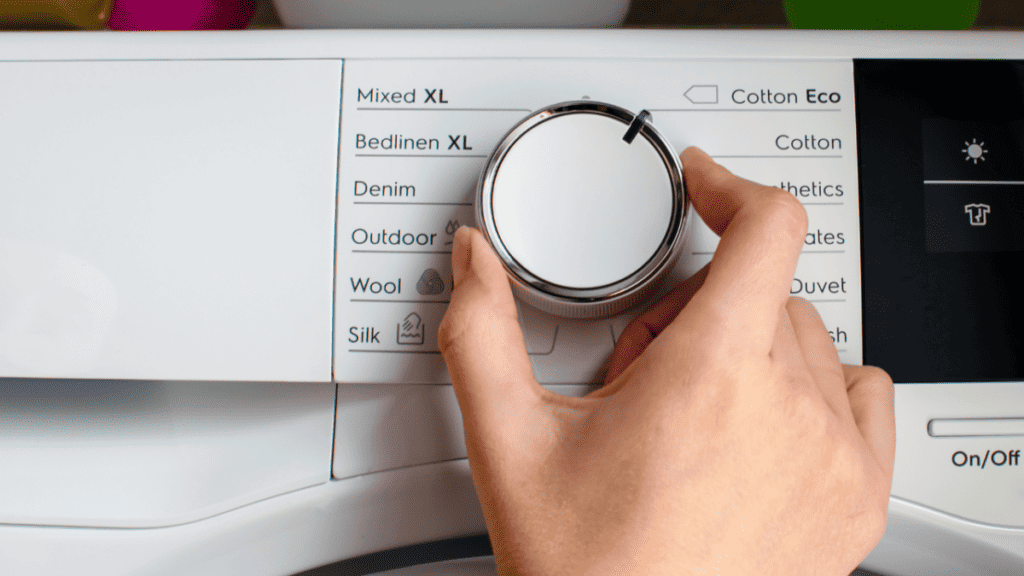
To get the best results from your dryer, learn the care label symbols. The tumble dry symbol is a square with a circle inside it. The dots inside the circle show the maximum heat setting.
- One dot: low heat
- Two dots: medium heat
- Three dots: high heat
- Solid circle: tumble dry with no heat
- Crossed-out symbol: do not tumble dry
Tumble Dry Low Heat (One Dot)
Low heat is for delicate and heat-sensitive items, including many polyester blends and thin synthetic fabrics. Use the dryer’s gentle or delicate cycle and shorter drying times for these.
Tumble Dry Medium Heat (Two Dots)
Medium heat suits many synthetics such as nylon and polyester, as well as T-shirts and lighter clothes. It dries faster than low heat but gentler than high heat, and it helps limit wrinkles in wrinkle-prone fabrics.
Tumble Dry High Heat (Three Dots)
High heat is generally for sturdy items such as cotton towels, jeans, bedding, and work clothes. These thick materials need more drying time. You might be able to turn up the heat even higher, but it is best to stay within the recommended setting to avoid shrinking.
Tumble Dry With No Heat (Solid Circle)
A solid circle means the item should be tumbled with no heat at all. The drum still spins and moves air through the clothes, so items dry faster than on a line but slower than with heat. This is also called the air fluff setting.
Do Not Tumble Dry (Crossed-Out Symbol)
Delicate fabrics may shrink, warp, or lose color in a dryer. Dry these items flat or on a line. Sometimes the label says dry clean only instead.
How to Use a Tumble Dryer
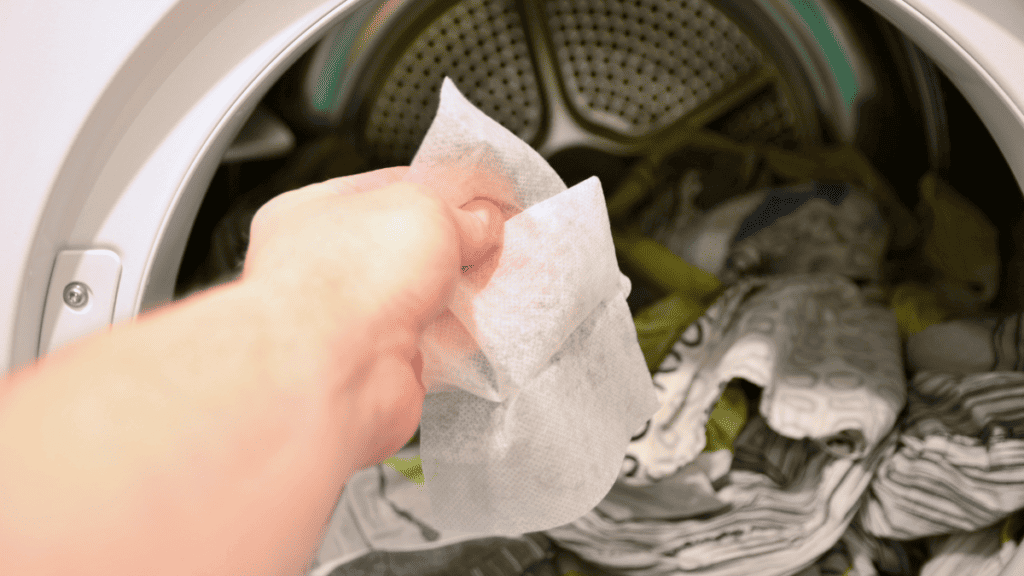
Follow these steps for safe, efficient drying.
Step 1: Start With Wrung-Out Clothes
Clothes should not be dripping wet when they go in. Dripping loads take a lot longer to dry. If the clothes are very wet, run an extra spin cycle in the washing machine first to remove as much water as possible.
Step 2: Load the Dryer and Choose a Setting
Add a load that fits comfortably, so clothes have room to tumble. Then pick a heat setting that matches the care label. Older dryers may have a single setting, while newer models offer low, medium, and high.
Step 3: Set the Time and Check the Clothes
Set the time or use an automatic cycle and let the dryer run. Before you take the clothes out, check them. If some feel damp, separate or untangle them and run a short extra cycle.
Step 4: Clean the Lint Filter
Clean the lint filter after every load. Lint blocks airflow, especially when you dry fluffy items such as towels. A clogged filter makes the dryer work harder, extends drying time, and raises the risk of overheating, which can damage clothes and the dryer and can cause a fire.
Tumble Dry Tips
- Check the symbol and number of dots to choose the right heat.
- Use the dryer thoughtfully. Air drying delicate items extends their life.
- Do not over-dry. Too much heat can cause fading, shrinkage, and damage. Remove items as soon as they are dry, and leave any damp items for another short cycle.
- Clean the lint filter after every use.
- Dry items of similar weight together so they finish at the same time.
- If you use fabric softener, remember it can leave residue. Our guide on whether fabric softeners are necessary can help you decide.
- Check your dryer’s manual for timing, settings, and capacity.
Fabrics That Usually Should Not Be Tumble Dried
Always follow the label, but these items often need extra caution or air drying instead:
- Silk and lace, which can be damaged by heat and tumbling.
- Wool and cashmere, which can shrink and felt.
- Items with elastic, rubber, or foam padding, such as some bras and swimwear.
- Waterproof and technical outerwear, unless the label allows low heat. See our guide to cleaning waterproof clothing.
- Garments with beads, sequins, or delicate prints.
- Leather, suede, and anything labeled dry clean only.
How to Keep Clothes From Shrinking in the Dryer
- Use the lowest heat setting that gets the job done.
- Do not overload the drum, since crowded clothes dry unevenly and need more heat.
- Take clothes out while they are still very slightly damp and let them finish drying flat or on a hanger.
- Wash new cotton garments in cool water first, since cool washing is less likely to cause shrinkage that the dryer then makes worse.
Tumble Drying vs. Air Drying
| Tumble drying | Air drying | |
|---|---|---|
| Speed | Usually under an hour or two | Several hours or longer |
| Energy use | Higher | Almost none |
| Fabric wear | More, especially on high heat | Less |
| Space needed | Little | Rack or line space |
| Weather dependent | No | Often yes |
Dryer Maintenance Basics
A well-kept dryer works better and lasts longer. Beyond cleaning the lint filter after each load, wipe the filter housing, check that the vent hose is not crushed or blocked, and have the vent duct cleaned periodically. If clothes take much longer than usual to dry, a blocked filter or vent is the most common cause. Never run a dryer while you are away from home or asleep.
Alternatives to Tumble Drying
If you do not want to buy a dryer, there are good alternatives, and most of them use less energy.
Indoor Drying Racks
If outdoor drying is not possible, an indoor rack works well. Racks come in many sizes and can sit in a bathroom, on a balcony, or in a spare room. Good airflow matters, and our article on how detergent affects drying clothes indoors offers more advice.
Outdoor Sun Drying
Sunlight is a free, eco-friendly way to dry and freshen clothes. Keep dark and delicate items out of direct sun to prevent fading.
Dehumidifier
A dehumidifier in a well-ventilated room can speed up indoor drying, especially in humid weather.
Ceiling-Mounted Drying Rack
In a small apartment, a ceiling-mounted rack saves floor space. Most can be lowered for loading and raised out of the way.
Clothesline
A clothesline is simple, free, and gentle on fabric. It also saves energy and cuts your carbon footprint.
Tumble Dry FAQs
Can I Tumble Dry My Jeans?
Usually, yes, but check the care label first. Turn jeans inside out so metal buttons and rivets are not exposed. Stretchy jeans can lose their shape or develop ripples in the fabric, so use low heat or air dry them.
Is Tumble Drying Expensive?
A dryer uses more electricity than air drying, so it will add to your energy bill. If you are buying one, compare the energy efficiency rating, and consider a heat pump model for lower running costs.
Is Tumble Dry the Same as Spin?
No. Spinning removes water from clothes by centrifugal force without heat, so clothes come out damp. A tumble dryer uses heat and airflow, so clothes come out dry.
Does Tumble Drying Shrink Clothes?
It can, especially if you use high heat on the wrong fabric. Natural fibers such as cotton and wool are the most likely to shrink. Read the care label and follow it to avoid shrinking.
How Long Does It Take to Tumble Dry Clothes?
Most loads take 30 to 60 minutes, depending on the fabric, load size, heat setting, and dryer type. Heavy items such as towels and bedding can take longer. If a normal load takes more than one cycle, check the lint filter and vent first.
Bottom Line
Tumble drying is convenient and saves plenty of time, as long as you match the dryer setting to the fabric. Read your care labels, clean the lint filter, and avoid over-drying. For more quick-drying ideas, see this guide on how to dry clothes quickly.