


Black is the shade that never lets us down. It looks sharp, goes with everything, and hides a lot. The downside is that black clothes fade over time, and the deep color slowly turns dull and gray.
The good news is that fading is mostly preventable. A few changes to how you wash and dry your clothes can keep black garments looking new for much longer.
To care for black clothes, wash them inside out in cold water on a gentle or short cycle with a liquid detergent made for darks or colors. Measure the detergent carefully, separate dark items from light ones, and avoid bleach. Air-dry them out of direct sunlight, or tumble dry on low heat and remove them while slightly damp.
This guide covers what to do, what to avoid, and why each step helps.
Sort Clothes by Color and Weight
Washing dark and light clothes together is a mistake. Dark clothes often release dye, especially when they are new, and that dye can stain lighter garments and dull the other darks.
You should also sort by fabric weight. Washing heavy black items, such as jeans or sweatshirts, with lightweight fabrics can wear down the lighter pieces. Keep lint-producing fabrics like towels and fleece away from dark clothes, because lint clings to black fabric and makes it look dull and fuzzy.
So sort your laundry by color and weight. You can wash black clothes with other dark colors, such as navy, charcoal, dark brown and maroon, as long as they do not bleed. Wash new items separately a few times first.
Choose the Right Detergent

Many detergents are formulated for dark clothes. They are designed to be gentle on dye and to help keep colors rich. A detergent labeled for darks or colors is usually a good pick.
Check the label. Avoid detergents that contain chlorine bleach, and skip oxygen bleach and color-brightening boosters for black items, as they can strip dye. Choose a detergent that handles oil, dirt and grass stains.
Detergent does not always cause fading, and many detergents are fine for dark clothes. Just avoid bleach products. Liquid detergent is a smart choice because black clothes should be washed in cold water, and powder does not always dissolve well in cold water. See our guide on whether liquid detergents are better than powder for more.
If you prefer not to buy a special detergent, choose a regular one that works well in cold water.
Measure the Right Amount of Detergent
Powder detergent that does not dissolve in cold water can leave white streaks on dark clothes. Using too much of any detergent can leave residue and a dull film on black fabric.
Measure carefully with the cap or scoop, and follow the dosing instructions for your load size and water hardness. Too much detergent also builds up in your machine.
If you live in a cold area where the water coming out of the tap is very cold, some machines can adjust the water temperature for the cycle you choose. Check your machine’s manual for the cold setting that works best.
Read More: Laundry Detergent: Before or After Clothes?
Pick the Right Water Temperature
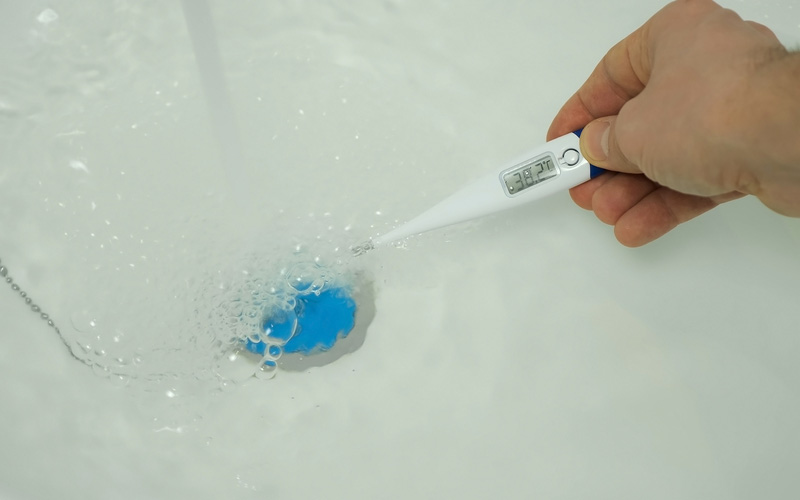
Warm and hot water make clothes release dye faster and can break down fibers over time, which leads to fading. For black and other dark clothes, cold water is the best option.
Cold water is also gentler on the fabric and saves energy. Check each garment’s care label for the maximum recommended temperature.
Cold water can make some detergents less effective, especially powders. Choose a liquid detergent or one that is labeled for cold water, and use a pre-treatment on stains.
Choose a Short, Gentle Cycle
The less time dark clothes spend in the machine, the less dye they lose. A short or delicate cycle works well for black clothes, and it also protects fibers from wear.
Do not cut the cycle too short for heavily soiled items, though. If your clothes are only lightly worn, a quick cycle is plenty. For a few items, hand-washing is gentler still. See our tips on how to hand wash clothes with detergent.
Machines without an agitator, such as many front-loaders and high-efficiency top-loaders, are generally gentler on clothes than those with a central agitator. Less friction means less fiber damage and a better look.
Keep Dark Clothes Out of the Sun
Sunshine is great for drying many clothes, but it is hard on black ones. Ultraviolet light bleaches fabric dye, so black clothes left in direct sun can turn dull and brownish or gray.
If you like to line-dry, turn black garments inside out and dry them in the shade. On a sunny day, an indoor drying rack is a smart choice.
Avoid High-Heat Tumble Drying
Dryer heat and tumbling wear down fabric and can make dark clothes look fuzzy and faded. Dryer lint is partly fibers from your clothes, which is a sign of wear.
If you do use a dryer, choose the lowest heat setting, check on the clothes often, and take them out while they are still slightly damp. Always follow the care label.
A drying rack in a well-ventilated room is better for your clothes. You can also hang them in the open air, away from direct sunlight, turned inside out.
Keep the Filters Clean

A dirty washing machine filter or lint trap can leave lint and debris on your clothes. Lint shows up clearly on black fabric and makes it look dirty and dull.
Clean the lint filter on your machine and the dryer filter regularly. Check your manual to find where they are and how often to clean them.
Read More: Does Liquid Detergent Damage Washing Machines?
Turn Garments Inside Out
The outside of a garment takes the most abuse in the wash, because it rubs against the drum and other clothes. Turning clothes inside out protects the outer surface from friction and keeps the color looking richer.
This simple habit also helps reduce pilling and fading, so it is worth doing for prints, jeans and other clothes you want to preserve.
Read the Care Label

Make it a habit to read the care label. It can feel tedious, but the label tells you the safest way to wash and dry each item, and following it prevents a lot of damage.
Here is why labels matter:
- Strongly dyed garments, such as deep reds and some dark blues, may bleed, and the label may recommend washing them separately or by hand at first.
- Heavily soiled items and underwear should be washed separately.
- Silk and some other fabrics may be labeled dry clean only or hand wash only. If you hand-wash delicates, see our guide to washing delicates in liquid detergent.
Using Vinegar to Remove Detergent Residue
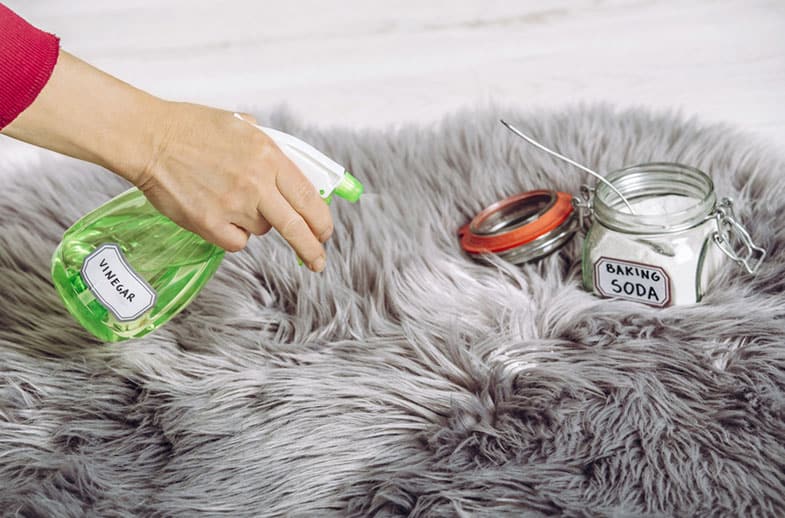
White vinegar can help in the laundry. A little in the rinse cycle may dissolve leftover detergent residue and soap film that make dark clothes look dull. It also helps with odors. Vinegar evaporates, so it usually does not leave a smell once clothes are dry.
Here is a simple way to use it. Add about half a cup (125 ml) of white vinegar to the fabric softener dispenser, or pour it in during the rinse cycle. Some machine makers advise against frequent vinegar use because it may affect rubber seals and hoses over time, so check your manual first and use it only occasionally.
Never mix vinegar with bleach or other cleaners, because the combination can release harmful gas.
You may have heard that adding salt to the wash sets dye and prevents fading. Reliable evidence for this is thin, and salt can be hard on some machines. Using cold water and the right detergent is a better bet.
What About Baking Soda?
Baking soda is a mild alkaline cleaner and deodorizer. A small amount, up to about half a cup, added to the drum may help with odors and soften water a little. However, it is not a bleach, and it will not restore faded black fabric.
Follow your machine’s manual when adding it. It is generally safest to sprinkle it into the drum rather than into the dispenser. Skip black pepper and other kitchen tricks, which have no proven benefit for laundry.
Treat New Black Clothes Differently
New dark garments often release extra dye in their first few washes. Wash them alone or with other darks in cold water for the first few cycles. Doing a first wash before wearing also removes finishing chemicals from the factory, which can irritate sensitive skin.
Pretreat stains before the wash with a small amount of liquid detergent, rubbed in gently with your fingers. Avoid scrubbing hard, because friction can leave a lighter patch on dark fabric. Test any stain remover on a hidden seam first.
Black Clothes Care Checklist
- Sort darks from lights and heavy fabrics from lightweight ones.
- Turn each garment inside out and zip zippers.
- Measure liquid detergent made for darks or colors.
- Wash in cold water on a short or gentle cycle.
- Use a little vinegar in the rinse only occasionally, if your machine manual allows it.
- Dry in the shade, on a rack or on low heat, and remove while slightly damp.
Dark rain jackets and technical gear need their own routine; our guide to cleaning waterproof clothing covers detergents that keep the coating intact.
Frequently Asked Questions
How often should I wash black clothes?
Wash them only when they are dirty or smell. Many items, like jeans and jackets, can be worn several times between washes, and every wash costs a little color.
How do I fix faded black clothes?
Washing cannot bring back lost dye. If a garment has faded, you can re-dye it with a fabric dye made for that fabric type, following the package directions, or replace it.
Why do black clothes get white marks?
White marks are usually undissolved powder detergent, hard-water minerals or too much detergent. Use liquid detergent, measure carefully and add an extra rinse if needed.
Conclusion
Black clothes need a little extra attention if you want them to stay rich and dark. Fading is natural, but you can slow it a lot by choosing cold water, washing inside out and measuring detergent carefully.
Dry your dark clothes carefully too. Direct sun and high heat dull fabric, so use a rack in the shade or a low-heat dryer setting.
Finally, always wash black clothes separately from light-colored ones. You can wash them with other darks, as long as the colors do not bleed.