

A waterproof coat is one of the best investments for rainy weather, and one of the easiest items to ruin in the wash. A very common mistake is tossing a rain jacket into the machine with regular detergent and fabric softener. The coat comes out clean but no longer sheds water.
Waterproof gear needs gentler, more careful handling than everyday clothes. This guide explains how to wash it, when to wash it, and how to restore its water repellency so it keeps you dry.
To clean waterproof clothing, close all zippers and flaps, brush off loose dirt, and wash the garment alone in a clean machine on a gentle, cool cycle (about 86°F or 30°C) using a technical cleaner or mild liquid detergent. Skip fabric softener and bleach, rinse well, and dry as the care label directs. Reapply a DWR treatment when water stops beading.
What Is Waterproof Clothing?
Waterproof and water-resistant fabrics can be natural or synthetic. They keep water out because the fabric is woven tightly, laminated with a membrane or coated with a water-repellent finish such as wax, rubber, PVC, polyurethane or fluoropolymers.
Jackets and coats are the most common waterproof clothing. They protect you from rain and snow, and similar fabrics are used for covers that protect gear from the weather. Generally, the more tightly woven a fabric is, the better it resists water.
Most technical rain jackets have two layers of defense. The membrane or coating keeps water from passing through, and a durable water repellent (DWR) finish on the outer fabric makes water bead up and roll off. When the DWR wears off, the outer fabric soaks up water. This is called wetting out, even though the membrane underneath may still be working.
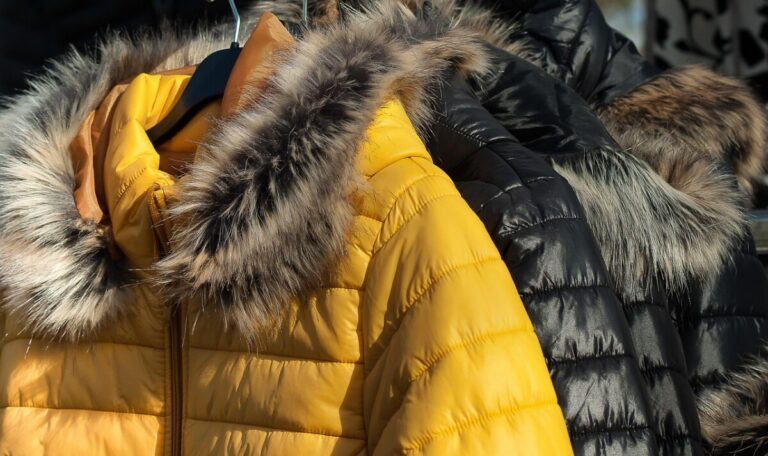
Yellow is a popular color for raincoats. It stands out on gloomy gray days, which makes you more visible to drivers, and it adds a bit of cheer when the weather is dull.
Can You Wash Waterproof Clothes?

Yes, you can, and you should wash them when they get dirty. But you cannot treat them like ordinary clothes. Dirt, body oils and detergent residue can clog the fabric and reduce its water repellency, so cleaning is part of keeping the gear working.
Waterproof clothes are made of special materials, so use a gentle approach. Skip fabric softener, because it can coat the fabric and block water repellency. Avoid bleach, too. Instead, use a cleaner made for technical outerwear, or a mild liquid detergent without added softeners or optical brighteners if the label allows.
Regular detergents are not “toxic” to waterproof fabric, but many contain additives such as softeners and brighteners that can leave residues. They can also be harsher than the coating likes. This is why technical washes are the preferred choice.
For safer cleaning, run a rinse cycle in your machine first to flush out any detergent residue that might transfer to your gear.
Washing and reproofing at home is quite doable. You just need a few supplies and a bit of time.
Read More: Does Liquid Detergent Damage Washing Machines?
Why Should You Wash Waterproof Clothes?
Whatever the type of waterproof clothing, it needs cleaning sooner or later. Dirt, sweat and sunscreen can build up on the fabric and affect how it performs, and dirty gear is also less breathable.
Wetting out is a sign that your gear needs a wash and probably a fresh DWR treatment. When water stops beading and the outer fabric starts to soak up water like a towel, it is time to act.
That said, do not wash waterproof gear all the time. Wash it only when needed, because frequent washing can wear down the finish over time.
Be careful with heat, too. Do not iron waterproof garments unless the care label says it is safe, because heat can melt or damage the coating or membrane.
Cleaning and reproofing can be fiddly. If you are worried about damaging an expensive jacket, a professional cleaner that handles technical outerwear can do it for you.
How to Wash Waterproof Clothes

Waterproof clothes need a separate approach from your normal laundry. You need the right cleaner, a clean washing machine with no leftover detergent, and the right water temperature.
Always check the care label first, because it overrides any general advice. Most labels call for a gentle or delicate cycle at about 30 degrees Celsius (86 degrees Fahrenheit) or similar. Hot water can damage the coating.
Wash only one or two garments at a time, so the water and cleaner reach the fabric properly. Do not add other clothes to the load. Heavy items, zippers and Velcro can scuff or snag the coating.
You do not need to wash these garments after every wear. Wash them when they are visibly dirty, smell or start to wet out.
Step 1: Remove Loose Dirt
Before the garment goes into the machine, remove loose or dried dirt by hand or with a soft-bristle brush. This matters because gritty dirt can scratch the surface of the fabric during the wash.
Step 2: Close Pockets and Zippers
Waterproof jackets usually have many pockets and flaps. Close all zippers, flaps and Velcro tabs, and empty the pockets, so the garment does not snag or get damaged.
Step 3: Clean the Washing Machine
This step matters because leftover detergent and softener in the machine can transfer to your waterproof gear and spoil its water repellency.
Run an empty rinse cycle, or run a hot cycle with a cup of white vinegar. Use vinegar alone, never mixed with bleach or other cleaning products, because mixing can release harmful gas. Wipe out the drum and the door seal, too.
Do not forget the detergent drawer. Pull it out and rinse it, since it can hold residue from your usual detergent.
Step 4: Add the Cleaner
For best results, use a cleaner made specifically for waterproof clothing. These products clean gently and leave no residue that interferes with water repellency. Add it to the detergent drawer according to the directions on the bottle.
If you cannot get a technical wash, use a small amount of mild, fragrance-free liquid detergent and the label directions. Avoid detergents with fabric softener, bleach or brighteners, and never use powder, which may not dissolve fully and can leave residue.
Step 5: Wash the Garment
Add the garment, preferably alone and no more than two pieces. Choose a gentle or delicate cycle at the temperature on the label, add an extra rinse if your machine has one, and let the machine finish its cycle.
Step 6: Dry the Garment
Drying is an important step, so follow the care label. Air-drying on a hanger away from direct heat is the safest choice. Some labels allow a low-heat tumble dry, which can actually help revive the DWR finish. Only use the dryer if the label allows it.
Read More: Laundry Detergent: Before or After Clothes?
How to Reproof a Waterproof Jacket or Pants
Reproofing means applying a product that restores the water-repellent finish. Washing alone sometimes brings back water beading. If it does not, add a fresh DWR treatment.
New garments rarely need it right away. Older gear often stops beading water, and that is when reproofing helps. You do not have to reproof after every wash. Only do it when you notice the fabric no longer repels water.
Step 1: Wash the Item
Wash the garment as described above, and do not let it dry out completely before treating it if the product instructions say to apply it to damp fabric.
Step 2: Clean the Washing Machine
If you used a cleaner, rinse the machine and detergent drawer well so no residue remains.
Step 3: Apply the DWR Treatment
There are two common types. A wash-in treatment goes into the machine in place of detergent, and a spray-on treatment goes on the clean, damp garment. Follow the product directions for the amount. Many wash-in products call for roughly a single dose per garment, and a gentle cycle at around 30 degrees Celsius. Treat one garment at a time when you can.
Step 4: Dry the Garment
Dry the item as the care label and treatment instructions direct. Many DWR products work best when the garment is tumble dried on low heat or air dried, depending on the label. Once dry, your gear should bead water again.
Storing Waterproof Gear
Make sure a jacket is completely dry before you store it. Hang it in a cool, dry closet rather than packing it tightly in a bag, because folds and trapped moisture can damage the coating and cause mildew. Shake off rain and let gear dry at home after every trip, even if you are not ready to wash it.
Do and Don’t Quick Reference
| Do | Do Not |
|---|---|
| Read the care label first | Use fabric softener or dryer sheets |
| Close zippers, flaps and pockets | Use bleach or stain-removing boosters |
| Use a technical wash or mild liquid detergent | Use powder detergent that may not dissolve |
| Wash one or two items at a time | Wash with heavy items like jeans or towels |
| Rinse the machine and drawer first | Iron the garment unless the label allows it |
| Reapply DWR when water stops beading | Wash after every single wear |
Frequently Asked Questions
How often should I wash a waterproof jacket?
Wash it when it looks or smells dirty, or when the outer fabric begins to wet out. For occasional use, that may be only a few times a year. Heavy use, sweat and muddy conditions mean more frequent washing.
Can I use regular laundry detergent on waterproof clothes?
A technical wash is the best option. If you do not have one, a small amount of mild liquid detergent without softeners or brighteners is usually acceptable, but check the care label first.
Does washing ruin waterproofing?
Not if you do it correctly. Dirt actually reduces performance, and a clean jacket often repels water better. The finish wears gradually with use, and you can restore it with a DWR treatment.
How do I know when to reproof?
Spray a little water on the jacket. If it beads up and rolls off, the finish is working. If the fabric darkens and absorbs the water, wash it and reapply DWR.
Conclusion
Waterproof clothing is essential in wet climates, and with the right care it can protect you for many seasons.
Cleaning is a key part of keeping it effective. Wash when it is dirty or when it starts to wet out, but do not overdo it. Frequent washing can wear down the finish. If you also care for dark items, see our guide on caring for black clothes, and learn whether fabric softeners are necessary before using one on technical fabrics.
If the coating is peeling or flaking, reproofing will not fix it. That means the membrane has delaminated and it is time to replace the garment.
Waterproof gear can be pricey, so take your time and always follow the care label.