
Imagine doing laundry without fabric softener. Your clothes might feel a little rougher, hold more static, and show more wrinkles. That is why so many people reach for softener on every wash. But if you or someone in your home has asthma, it is fair to ask whether that soft, fresh feeling is worth it.
Fabric softeners are not good for people with asthma. Many contain strong fragrances and quaternary ammonium compounds (quats), and both are linked to respiratory irritation and asthma symptoms in sensitive people. If you have asthma, skip liquid softener and dryer sheets, or choose fragrance-free options and check with your doctor.
If you think you cannot wash clothes without softener, this guide is for you. It explains what softeners contain, why some ingredients are a concern, and which simple alternatives can keep your clothes soft. Anyone with asthma or another respiratory condition should read it.
How Fabric Softeners Work
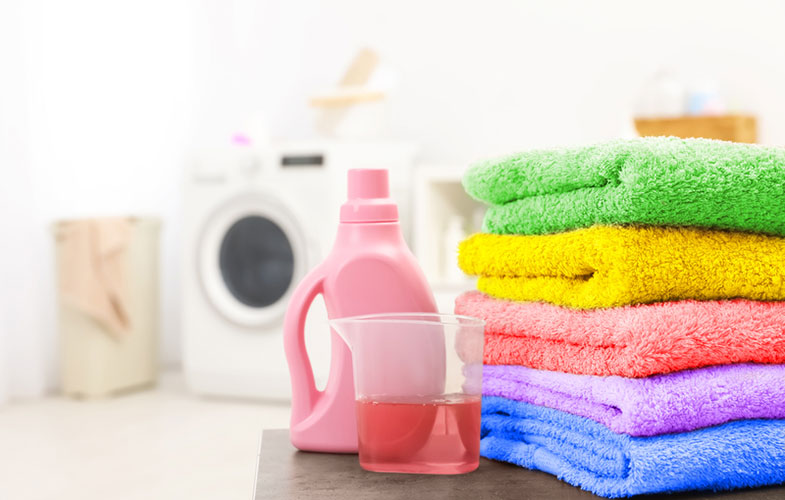
Along with detergent, fabric softener has become a routine part of laundry for many households. The benefits are easy to see, and ads present it as a must-have. The downsides get far less attention.
Fabric softeners work by depositing a thin coating on fibers. This coating makes clothes feel soft, reduces static, and helps with wrinkles. The coating is usually made from quats, which are slippery, waxy compounds that cling to fabric. They are used in nearly all liquid softeners and dryer sheets, and in some hair conditioners.
That coating is also what stays against your skin all day, and what you breathe in when you wear or sleep on freshly softened laundry.
Ingredients of Concern
Quats
Quats is short for quaternary ammonium compounds. They are the main softening agents in most fabric softeners. Common examples include dialkyl dimethyl ammonium methyl sulfate, diethyl ester dimethyl ammonium chloride, and distearyldimonium chloride. On a label you may also see terms such as cationic surfactant or fabric softening agent.
Some quats, particularly the ones used in disinfectants, are recognized as asthma triggers. Research has linked occupational exposure to certain quats with asthma, and some health organizations list them as substances that can cause or worsen asthma. The evidence for the quats used in household softeners is less direct, so the safest approach if you have asthma is to avoid them.
Quats also have antimicrobial properties. That sounds helpful, but clothes washed with detergent are already clean, and some researchers worry that widespread use of antimicrobial chemicals can contribute to resistance. The science here is still developing.
Read More: Laundry Detergent: Before or After Clothes?
Preservatives and Colors
Liquid softeners contain water, so they need preservatives to prevent microbes from growing in the bottle. Dyes are added only for appearance.
One preservative to know about is methylisothiazolinone. It is a well-known skin allergen, and it can irritate the skin and airways in sensitive people.
DMDM hydantoin is a preservative that releases small amounts of formaldehyde. It can trigger skin allergies in sensitive people, and formaldehyde is a known carcinogen at high exposures, so some shoppers prefer to avoid it.
Glutaral is another preservative that can irritate skin and has been linked to asthma in workers exposed to it. It is also toxic to aquatic life. Color additives can irritate skin in some people, too. If you have allergies, scan the ingredient list and avoid the items that give you trouble.
Fragrances
The scent of fabric softener comes from fragrance blends, and companies are not required to list the individual ingredients. Some of these ingredients can cause allergic reactions or irritate the airways.
A University of Washington study on air emissions from fragranced consumer products tested several laundry products and detected many volatile chemicals coming from them. Some of those chemicals are classified as hazardous air pollutants, and some are known to irritate the airways. Among the compounds found were linalool, a common fragrance allergen, and others such as acetaldehyde.
Fragrance-free softeners exist, and they remove one source of irritation. They still use softening agents such as quats, though, so they are not automatically a safe choice for someone with asthma.
Better Alternatives
You can skip fabric softener without giving up soft clothes. Dropping it also saves money and avoids a source of fragrance and chemical residue in your home. If you have asthma, talk with your doctor about triggers that apply to you.
Read More: Soaking Clothes In Detergent: What You Need To Know
Wool Dryer Balls
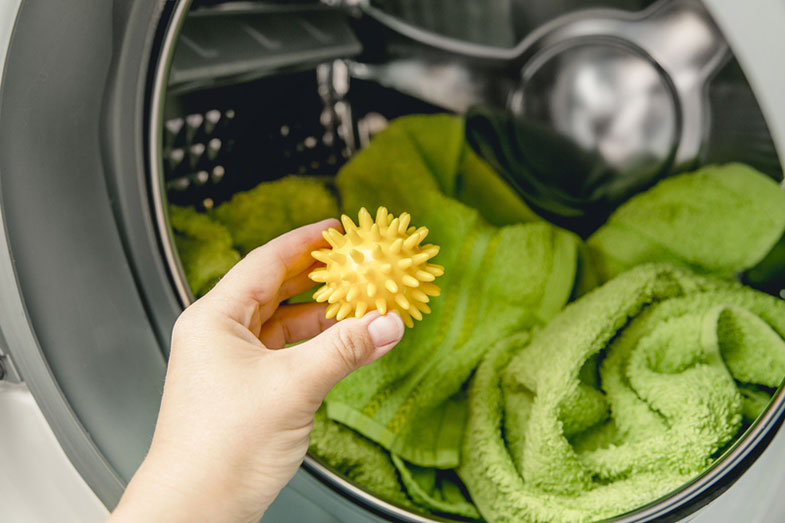
Wool dryer balls are balls of felted wool that you toss into the dryer with your clothes. They separate the laundry so hot air flows better, which can shorten drying time, and they help reduce static and wrinkles. They do not add any chemicals or fragrance to your clothes.
Most dryer balls are made of 100 percent wool yarn that has been wrapped into a ball and then felted so it holds its shape. They last for hundreds of loads, so one set is a good investment. Use three to six balls per load, and keep in mind that wool is an allergen for a few people.
Why Dryer Balls Beat Softener for Many People
Dryer balls leave no coating on fabric, so there is nothing sitting against your skin and nothing washing down the drain. Liquid softeners and dryer sheets, by contrast, leave a film that stays on the fabric.
Because they can cut drying time and leave clothes less wrinkled, dryer balls may also save a little energy and ironing time. That is a nice bonus, even if the exact savings vary with your dryer and load size.
White Vinegar
Add up to a cup of distilled white vinegar to the washer during the rinse cycle, using the softener dispenser. It helps dissolve leftover detergent, which makes clothes feel softer, and the smell disappears as clothes dry. Check your washer’s manual first, and never mix vinegar with bleach or any other cleaning product, because the combination can release harmful gas.
Baking Soda
Add about half a cup of baking soda to the drum with the clothes at the start of a load. Baking soda raises the pH of the wash water slightly and helps soften it, which can improve cleaning and leave clothes feeling less stiff. Do not add baking soda and vinegar at the same time, since they cancel each other out.
Homemade Fabric Softener
If you like the idea of a liquid softener, you can mix a simple one at home. Vinegar helps remove detergent residue, and glycerin adds a little slip to the fibers.
You will need:
- 2 cups of distilled white vinegar
- 2 cups of water
- 1/8 cup of vegetable glycerin
- Optional: up to 20 drops of essential oil
Directions
Combine the vinegar, water, and glycerin in a jar and mix well.
If you want a light scent, add a few drops of essential oil. This step is optional, and if you have asthma, skip it, because essential oils can also irritate the airways. Natural ingredients give a much milder scent than commercial fragrances.
How to Use
Use about half a cup for a medium load. Pour it into the softener dispenser so it is added during the final rinse. Shake the jar before each use, since the ingredients can separate.
You can use a similar mix to make reusable dryer cloths from 100 percent cotton fabric.
Skip Dryer Sheets
Dryer sheets work like fabric softener. They coat clothes with softening agents and fragrance, and the warm dryer vents those scents into your home. If asthma or fragrance sensitivity is a concern, skip them and run the dryer with clothes or wool dryer balls only.
Conclusion
Fabric softener is not an essential laundry product, even though it feels like one. Many softeners combine quats, fragrances, and preservatives that can irritate the skin and airways, and people with asthma, allergies, and young children may be the most affected.
Fabric softeners are not proven to cause cancer or disease on their own, but the safest move for anyone with respiratory problems is to avoid them. Wool dryer balls, a vinegar rinse, or a fragrance-free routine can keep clothes soft without the downside.
If you are unsure whether softener affects your asthma, try going without it for a few weeks and see how you feel. For more, read our guide on whether fabric softeners are necessary, and the post on the fabric softener toxic myth.