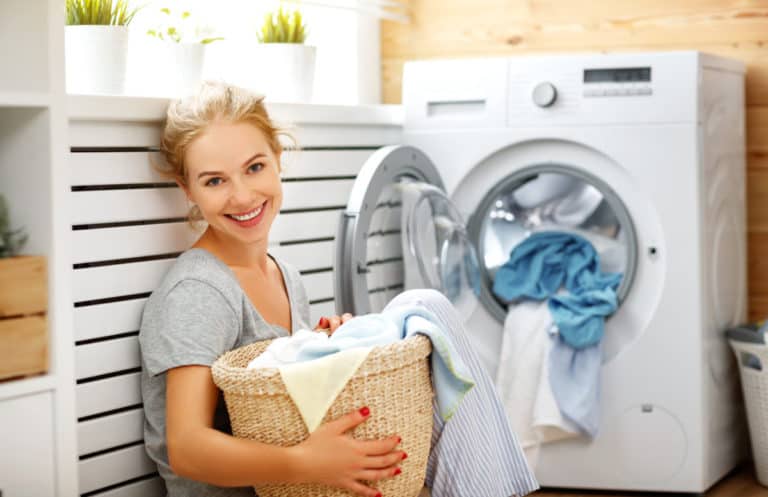


Drying laundry indoors is a fact of life for many people, whether you live in a small apartment, a damp climate or a place where winters are long. It raises a fair question: does the detergent you use make any difference to how clothes dry indoors?
Laundry detergent has a small effect on indoor drying, mostly through how much you use. Excess detergent leaves residue that can hold moisture and make fabric stiff and slow to dry, and any leftover residue can also trap odors. The bigger factors are humidity, airflow, temperature and how well your clothes were spun.
Below you will find how detergent and indoor drying interact, what to watch for in terms of air quality and mold, and practical ways to dry clothes faster in a closed space.
How Detergent Affects Clothes Drying Indoors

Some people live in apartments with little ventilation, or without a balcony. Others live in a humid or rainy climate that makes outdoor drying unreliable. In these situations indoor drying is the only option, and the drying time can stretch out for a long time.
Indoor drying works, but it adds moisture to your home. It helps to understand how that moisture and your laundry habits interact.
Read More: Laundry Detergent: Before or After Clothes?
Detergent Residue and Drying Time
Detergent that is not fully rinsed out stays in the fabric. Residue can make clothes feel stiff and may cause them to hold a bit more moisture, so they feel damp longer. Residue also gives mold and mildew something to feed on if clothes stay wet for too long.
Some detergents contain optical brighteners, which are added to make whites look brighter. They are a normal ingredient and are not a known cause of mold, but like any detergent ingredient they can remain in fabric if you overdose. The simplest fix is to use only the recommended amount, which rinses out more completely.
Drying is also slower indoors simply because the air is still. Without a flow of air to carry moisture away, clothes take much longer to dry no matter which detergent you use.
Read More: Can Your Detergent Impact Your Acne and Skin?
Energy Use
Temperature is one of the main factors in drying speed. Clothes dry faster on a warm, sunny day than on a cold one.
To speed up indoor drying, many people put a radiator or heater near the clothes. That works, but it uses a lot of energy. Keep any heater at a safe distance from fabric, and never cover a heater with clothes, because that is a fire risk.
A cheaper option is to hang clothes in a room with a fan running, or near an open window if the outdoor air is drier than the air inside.
Health and Air Quality Concerns
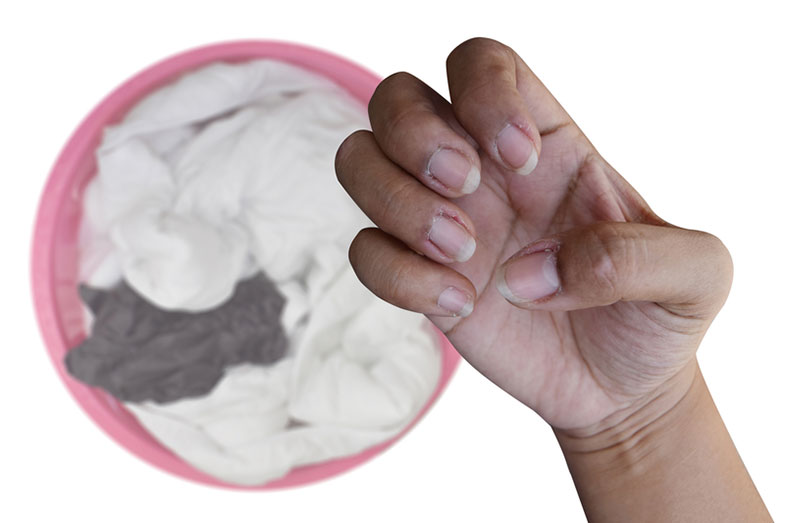
The main health concern with indoor drying is moisture, not detergent. Damp air encourages mold and dust mites, which can trigger allergies and asthma in sensitive people. Detergent and fabric softener can add scent compounds and other ingredients to the air as clothes dry, which is worth knowing if anyone in your home reacts to fragrance.
Concerns about indoor air quality are mostly about scented products. If you or your family are sensitive, choose fragrance-free products and dry clothes in a ventilated room.
Read More: Are Fabric Softeners Good for Asthma?
Surfactants
Surfactants are the main cleaning ingredients in detergent. One common example is sodium lauryl sulfate (SLS). They lower the surface tension of water so dirt and oil can be lifted from fabric and rinsed away.
Surfactants can irritate sensitive skin if they stay in the fabric, which is another reason to rinse well and avoid overdosing. They do not evaporate into the air in any significant amount while clothes dry. If you have sensitive skin, a gentler formula or an extra rinse can help.
Read More: What Makes Laundry Detergent Eco-Friendly?
Fabric Softeners and Fragrance

Fabric softeners, also called fabric conditioners, make clothes feel soft after washing. They are usually heavily scented, and the fragrance compounds can be released into the air as clothes dry. For people with asthma or fragrance sensitivities this can be an irritant.
If you dry clothes indoors, consider skipping the softener or switching to a fragrance-free one. Softener can also make towels less absorbent, which can lengthen drying time.
Choosing a Gentler Detergent
If you are concerned about what is in your detergent, look for fragrance-free or eco-friendly options with a clear ingredient list. These tend to be milder, and they are a sensible choice when clothes dry in the same room where you live or sleep.
Homemade detergents are often suggested as an alternative, but they do not always clean as well as commercial products. A well-reviewed, fragrance-free commercial detergent is usually the more reliable choice.
Dust Mites and Mold Spores
Many people hang wet laundry in their bedrooms or drape it over furniture to dry. This releases a lot of moisture into the room, and damp air supports mold growth and dust mites.
Mold spores can cause trouble for people with allergies, asthma or weakened immune systems. If you notice a musty smell or dark spots on walls or windows, humidity is probably too high.
You can limit the risk by drying laundry in a well-ventilated room, keeping a window open when possible, and avoiding the bedroom. A dehumidifier helps too, and indoor humidity of about 30 to 50 percent is a good target.
How to Dry Clothes Faster Indoors

Because indoor drying adds moisture to your home, the faster you can dry clothes, the better. Wet clothes left sitting for a long time can develop a musty smell and mildew.
These simple steps help you dry clothes faster while keeping humidity under control.
Don’t Overload the Washer or Dryer
It is tempting to put everything in at once, but this is a common reason clothes stay damp. A packed washer does not rinse or spin well, and a packed dryer does not let air circulate.
Use moderate loads and the highest spin speed the fabric allows. A faster spin removes more water before drying, which can cut drying time significantly. Check the care label for delicates.
Spread the Clothes Out
Take a moment to hang each item neatly. The more surface area exposed to air, the faster water evaporates.
Leave space between items so air can move around them, and avoid bunching clothes together. A garment hung open dries faster than one rolled up or folded over.
Use a Dehumidifier

A dehumidifier is a worthwhile purchase if you often dry clothes indoors, especially in a humid climate. It pulls moisture out of the air, which speeds up drying and helps prevent mold and mildew.
Place it in the room where the clothes are drying and close the door so it only has to dry that space. Empty the water tank regularly, or connect it to a drain.
Frequently Asked Questions
How long should clothes take to dry indoors?
It varies with humidity, temperature and airflow. In a warm, ventilated room, a light cotton shirt may dry in a few hours, while thick towels and jeans can take a day or more. Anything that is still damp after a day or so should be moved to a drier spot or put in the dryer.
Does fabric softener make clothes dry slower?
Softener can coat fibers and reduce how absorbent and breathable fabrics are. Towels in particular can stay damp longer and feel less absorbent. Skipping softener, or using it only sometimes, can help.
Is it safe to dry clothes in the bedroom?
It is better to avoid it, especially if you have allergies or asthma. Wet laundry can add a lot of moisture to the air, and damp bedrooms encourage mold and dust mites. A room with a window or a fan is a better choice.
What humidity level should I aim for?
Many health and building guidelines suggest keeping indoor humidity between about 30 and 50 percent. A small humidity meter is inexpensive and tells you when it is time to open a window or run a dehumidifier.
Conclusion
Detergent plays only a small role in how fast clothes dry indoors. Using the right amount helps by leaving less residue behind, but humidity and airflow matter far more.
Whenever you can, dry clothes outdoors. When you cannot, use a well-ventilated room, spread clothes out, run a fan or dehumidifier, and consider fragrance-free products if anyone in your home is sensitive.