
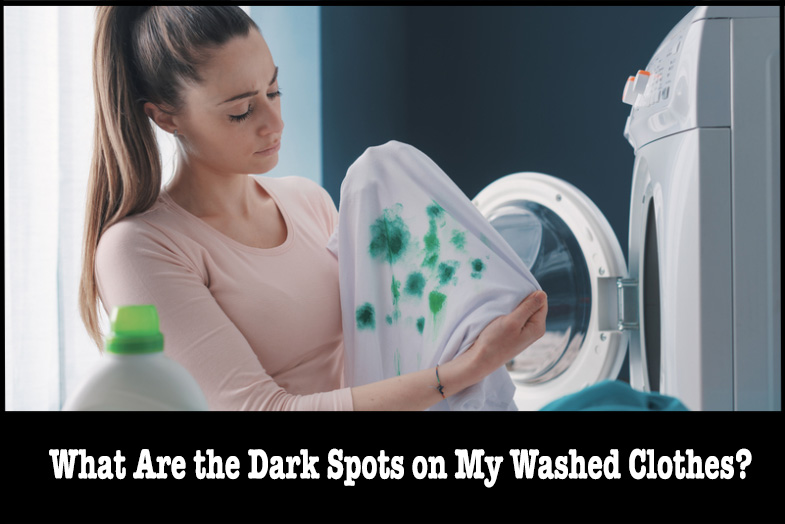
Few things are more frustrating than pulling a load out of the washer and finding dark spots on clothes that went in clean. The spots can be brown, gray, black or blue, and the cause is usually something you can find and fix.
Dark spots on washed clothes are usually caused by fabric softener or dryer sheet residue, too much detergent, rust, grease or oil from the washer, hair and skin products, mold and mildew, or dye transfer. Check where the spots appear and how they feel to find the cause, then treat them before drying.
Below you will find the most common causes of dark spots, with a safe solution for each. Whatever you try, test any stain treatment on a hidden spot first and follow the garment’s care label.
Hair Care Products

Many shampoos, conditioners and styling products contain film-forming ingredients such as polyquaternium polymers. Splashes of these products land on towels and clothes, and the ingredients cling to the fabric.
These marks do not always come out in a normal wash. In some cases they look darker after washing, especially if the clothes are dried in a hot dryer, because heat sets the stain.
You may not remove them completely, but you can usually fade them a lot.
Solution for Hair Product Spots
Towels and white fabrics are the most likely victims. Start by working a little liquid detergent into the spot and letting it sit for 15 to 30 minutes. Then wash the item in the hottest water the care label allows.
If the spots remain, use a commercial rust and stain remover or an oxygen bleach made for laundry. Some of these products contain oxalic acid, which is toxic. Follow the package directions exactly, wear gloves, ventilate the room, and keep them away from children and pets. Do not mix your own solutions from raw oxalic acid.
Wash the item again afterward with detergent. Only use a chlorine bleach on white, bleach-safe fabrics, and never combine it with other cleaning products.
Skin Care Products
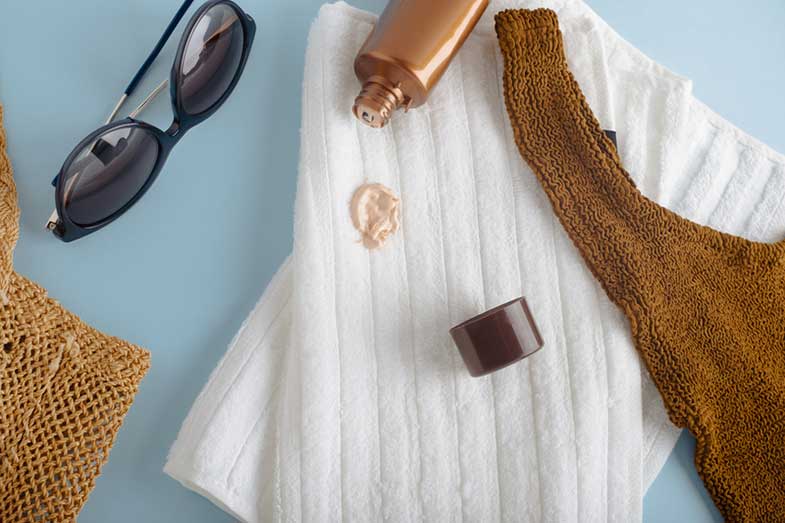
Lotions, body creams, sunscreens and acne treatments can all transfer to towels, sheets and clothes. Oily products leave greasy marks that attract dirt and look darker after a wash. Acne products that contain benzoyl peroxide bleach fabric, which leaves pale or orange spots rather than dark ones.
When stained items sit together in a hamper, the oily residue can also rub onto other clothes.
Solution for Skin Product Stains
For greasy lotion stains, treat the spot with a small amount of liquid dish soap or laundry detergent before washing. Let it sit for 10 to 15 minutes, then wash in the warmest water the fabric allows. Check the spot before drying and repeat if it is still visible.
Benzoyl peroxide bleaching cannot be reversed, since it removes dye from the fabric. To prevent it, let acne creams dry before dressing, and use white towels and sheets if you use these products.
Fabric Softener and Dryer Sheets
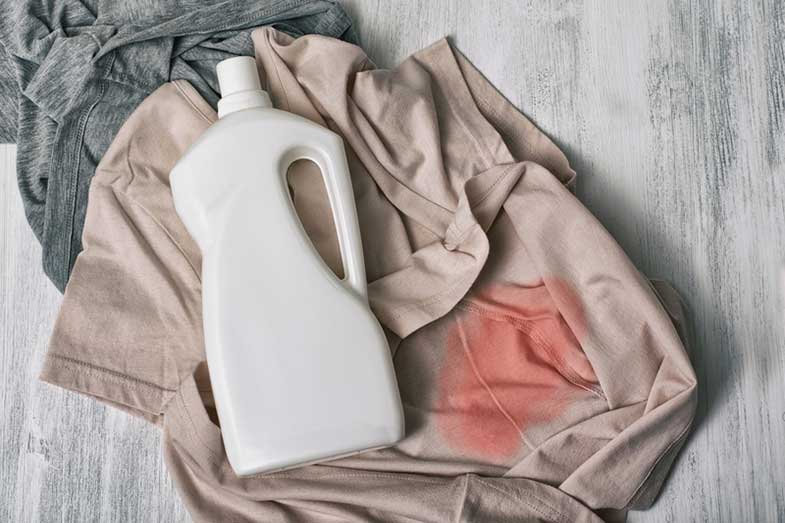
Fabric softeners and dryer sheets are meant to make clothes soft and fresh, but they can leave greasy spots, especially when you use too much. Liquid softener poured directly onto clothes is a classic cause, as is a dryer sheet that stays stuck to a garment during a hot cycle.
These products coat fibers with a thin, waxy or silicone-like layer. When too much builds up, it can show up as greasy streaks or dark patches, particularly after drying on high heat. If your clothes show bluish marks, see what causes blue stains on washed clothes.
Solutions for Softener Stains
There are two easy ways to remove these stains. Follow the steps closely.
Use a Vinegar Rinse
Softener spots are often visible right after the wash. Before drying, rub a little liquid detergent into the spots, then rewash the clothes in warm water with your normal detergent, and add about a cup of white vinegar to the rinse or softener compartment. The vinegar helps dissolve the softener buildup.
Do not pour vinegar directly onto the clothes, and never mix vinegar with bleach.
Read More: Are Fabric Softeners Good for Asthma?
Try an Oxygen-Based Bleach
Oxygen bleach is safe for most white and colorfast fabrics, which makes it a good choice here. Dissolve it in hot water according to the package directions, and test it on a hidden spot of colored items first.
Soak the clothes for 2 to 3 hours, check the stains, and then wash with detergent in the washing machine.
Read More: Is Liquid Detergent Bad for Your Washing Machine?
Grease and Oil
Besides cooking oil from the kitchen, your washing machine itself can sometimes leave greasy stains on clothes.
Worn bearings or seals in a washer can leak lubricating oil or grease, which shows up as dark brown or black spots. If the spots appear on several different loads, in the same area of the garment, have your machine checked by a technician.
Solution for Grease Spots
These spots can look stubborn, but they usually respond to a simple treatment.
Apply a small amount of clear liquid dish soap to the stain. If the dish soap is colored, dilute it first so it does not leave dye on light fabric. A little shampoo also works.
For tougher spots, rub gently with a soft toothbrush and let the soap sit for 10 to 15 minutes. Rinse with warm water. Then wash the item with your normal detergent and check the spot before drying.
Read More: Are Liquid Detergents Better than Powder?
Rust
Rust is another common cause of orange-brown to dark spots. It can come from the washer itself, such as a chipped drum or the rubber door seal, or from small metal objects like coins, bobby pins, bra wires and zippers that get left in the machine.
Rusty water pipes can also be the source. If your water supply has a lot of iron, it can stain clothes over time, especially whites.
Solution for Rust Spots
Act quickly. Rust stains get much harder to remove once they dry, and high dryer heat sets them. Check your clothes before drying them.
Regular detergent usually will not lift rust. Use a laundry rust remover that is safe for the fabric, and follow the package directions. Many contain oxalic acid or other acids, so wear gloves and keep them away from children and pets. Test first on a hidden spot, and do not use chlorine bleach on rust, because it can set the stain.
Plant-Based Stains

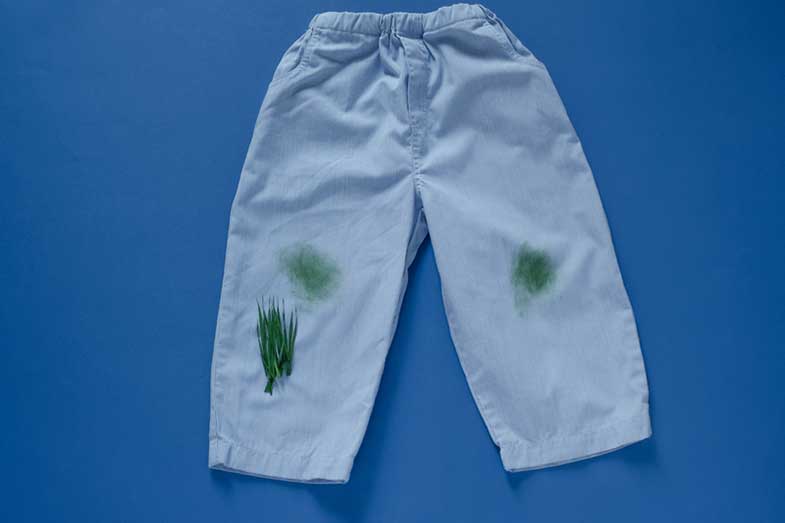
Gardeners and kids know these stains well. Grass is the most common, and brown stains from soil can be hard to remove.
Solution for Plant and Soil Stains
Let mud dry first, because rubbing it while wet pushes it deeper into the fabric. When it is dry, brush or shake off as much soil as you can.
Then pretreat the stain with laundry detergent, rubbing it in gently, and leave it for about 30 minutes. A detergent with enzymes works well on grass. Then wash as usual and check the stain before drying.
Mold and Mildew
Mold and mildew leave dark patches, usually black, gray or green, along with a musty smell. They are common in humid climates and on clothes left damp in a hamper or the washer.
Mold grows wherever it is warm and damp. Bathroom towels are frequent victims, and natural fibers such as cotton tend to be affected more than synthetics.
Avoid wearing visibly moldy clothes until they are treated. Mold can irritate skin and airways, especially if you have allergies or asthma.
Read More: Can Your Detergent Impact Your Acne and Skin?
Solution for Mildew Stains
For light mildew, wash the item in the hottest water the care label allows, using your normal detergent. Dry it completely, ideally in the sun.
For heavier patches on white or bleach-safe fabrics, soak the item for an hour or two in a solution of laundry bleach diluted according to the label, then wash as usual. For colored items, use an oxygen bleach instead. Never combine bleach with vinegar, ammonia or other cleaners.
To prevent mildew, take clothes out of the washer promptly, dry them completely, and let towels dry fully between uses.
Bottom Line
Dark spots on washed clothes have many possible causes, and each one needs its own fix. Look at the color, feel and location of the spots to find the source, treat them before drying, and avoid high heat until the stain is gone.
You can prevent most of these spots by using the right amount of detergent and softener, emptying pockets, cleaning your washer regularly and drying clothes promptly.
Dealing with a different stain? Try the Stain Finder, or print our one-page stain cheat sheet.