
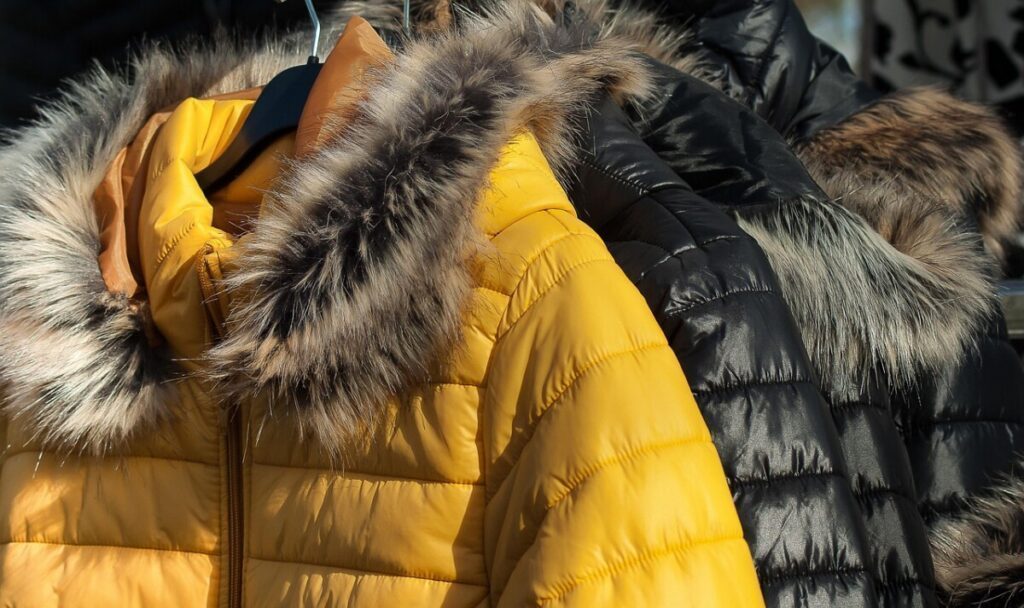
A down jacket or comforter looks like a fragile thing to put through a washing machine, and plenty of people pay for dry cleaning out of caution. In most cases you can wash down at home and get it lofty again. The risks come from the wrong detergent, the wrong machine and rushing the drying.
Wash down in a large front-loading machine or a top-loader without an agitator, on a gentle cycle with cool to warm water, about 86 degrees Fahrenheit at most. Use a small amount of mild, down-safe detergent, run an extra rinse, then dry on low heat with wool dryer balls or clean tennis balls until completely dry, which can take hours.
Down is made of soft clusters that trap air. Soap residue, heat and clumping all flatten those clusters and cost you warmth. The sections below cover which detergent to pick, what machine to use, the cycle settings, drying and the mistakes that ruin good bedding.
Before You Wash: Check the Label and Prepare
Always start with the garment or bedding care label and the maker’s instructions. If a tag says dry clean only, follow it. Many down items are machine washable, but shells that are coated or treated may have their own rules.
- Check the care tag for wash temperature, drying instructions and any warnings.
- Zip all zippers and close hook-and-loop fasteners so they do not snag the fill or other items.
- Empty pockets.
- Look for tears or loose seams, and repair them first, since a washing cycle can pull feathers through small holes.
- Treat visible stains. Dab a small amount of the same mild detergent on the spot and let it sit for a few minutes before washing.
- Wash only one item at a time unless your drum is very large.
The Sleep Foundation’s guide to washing a down comforter and Whirlpool’s advice on washing down comforters both stress using a roomy machine and checking the manufacturer’s care tag.
Choosing the Right Detergent
Down needs a gentle, low-residue detergent. Strong cleaners can strip the natural oils from feathers, which makes them brittle and less lofty. Leftover soap makes clusters stick together.
What to Look For
- A mild liquid detergent free of bleach and brighteners
- A formula made for delicates or specifically for down, such as a down wash, if you want a purpose-built product
- Low-sudsing or HE-labeled detergent for front-loaders
- Fragrance-free if you are sensitive, since fragrance stays in a thick item for a long time
What to Avoid
- Chlorine bleach, which damages the fill and the fabric
- Fabric softener, which coats the feathers and weighs them down
- Heavy-duty or stain-fighting detergent with strong additives
- Powder detergent that may not dissolve, particularly in cool water; if you only have powder, dissolve it first
Liquid detergent dissolves best in cool water, which is another reason it suits this job. Our comparison of liquid, powder and pod detergent goes deeper on the differences.
How Much to Use
Use less than you would for a normal load, and follow the dose the detergent or down wash maker gives for a small or delicate load. Too much soap is the leading cause of stiff, clumpy down, since the drum cannot rinse a bulky item as well as it rinses a T-shirt. Keep measured doses in mind with the tips in our guide to liquid detergent and dosing balls.
Choosing the Right Machine
Space is what matters. A down comforter should move freely in water.
Front-Loaders and Top-Loaders
| Machine | Good for down? | Notes |
|---|---|---|
| Large front-loader | Yes, best choice | Gentle tumbling, no agitator, high capacity helps |
| Top-loader without agitator (HE) | Yes | Make sure the item is fully submerged and not twisted |
| Top-loader with center agitator | Avoid if possible | The agitator can tear, twist and stretch baffles and seams |
| Small apartment or compact washer | Usually no | Item will be too packed; use a laundromat’s large machine |
If your home washer is too small, a laundromat’s oversized front-loader is the safer option. Do not force a comforter into the drum. It should have room to circulate.
Where the Detergent Goes
Put liquid detergent into the dispenser drawer as you would for a normal load. If your machine allows, you can also pour a measured amount into the drum before the item goes in. Our guide on where to put laundry detergent shows the right spot for front-loaders and top-loaders.
Step-by-Step Washing Cycle
- Load the item loosely into the empty drum. Do not stuff it or twist it.
- Select the gentle or delicate cycle.
- Choose cold or warm water. The sources we reviewed give a maximum of about 86 degrees Fahrenheit (30 degrees Celsius).
- Add a small amount of mild detergent.
- Choose a low or medium spin if your machine allows it. A gentler spin reduces stress on the baffles.
- Add an extra rinse. Down traps soap easily, and a second rinse helps remove it.
- When the cycle ends, take the item out immediately and carry it with both arms, because it will be heavy with water.
Washing a Down Jacket
A jacket can often share the drum with one or two clean tennis balls. For a puffy jacket, use the same gentle settings. Our guide to cleaning waterproof clothing is worth reading if your shell is a technical rain layer, since those fabrics need rinsing and sometimes a specific wash.
Washing a Comforter
A comforter needs the biggest drum you can find. If it is bigger than the drum can handle, a commercial machine is best. Check that stitching or baffles look intact before and after washing.
Hand-Washing as an Alternative
For a small jacket or vest, you can fill a clean bathtub with cool to lukewarm water, add a small amount of mild detergent and press the item under the water. Let it soak, press out the soap, drain, and rinse repeatedly until the water runs clear. Press out water gently, never wring it. For more general hand-washing technique, see our tips to hand wash clothes with detergent.
Drying Down Properly
Drying matters more than washing. Damp down can grow mildew and smell musty, so it must be completely dry inside, not just on the surface.
The Dryer Routine
- Move the item to the dryer right away so it does not sit wet.
- Add a few wool dryer balls or clean tennis balls to break up clumps and help restore loft. Skip dryer sheets.
- Choose the lowest heat setting. High heat can damage the down clusters and the fabric shell.
- Plan on two to four hours for a comforter, depending on its size, according to the sources we reviewed.
- Stop the dryer about every 30 minutes, pull the item out and fluff it by hand, breaking up any clumps.
- Continue until no damp spots remain. Squeeze the thickest areas to check for coolness or lumps.
If your dryer does not have a low-heat setting, use an air-fluff or no-heat cycle and expect it to take longer. Our overview of drying clothes indoors helps if you need to finish in a room rather than a machine.
Air-Drying as a Finish
After the dryer, you can drape a comforter over a clean drying rack or a few chairs in a well-ventilated room for another day to confirm it is dry. Sunlight and fresh air help freshen it, but avoid hanging a heavy, wet comforter by a single edge, since the weight can tear baffles.
Common Mistakes That Ruin Down
- Using too much detergent, which leaves residue and clumps
- Using fabric softener or dryer sheets, which coat the fill
- Washing in a machine with an agitator
- Overfilling the drum so the item cannot move
- Skipping the extra rinse
- Drying on high heat to save time
- Putting a damp item in a closet or storage bag, which invites mildew
- Ignoring tiny tears, which turn into feather leaks
- Washing too often. Down needs washing only occasionally, so spot clean and air out between washes
Fabric softener is a particular trap with any bulky item. Our article on whether fabric softeners are necessary explains why leaving it out is almost always the better choice.
How Often Should You Wash Down?
Wash a jacket only when it is visibly dirty or smells, since each cycle is a bit of wear. A duvet inside a washable cover can go longer between washes, and many manufacturers suggest washing the cover regularly and the comforter itself much less often. Follow the maker’s advice on your specific item.
Frequently Asked Questions
Can I use regular laundry detergent on down?
You can use a mild liquid detergent in a small amount, but avoid bleach, brighteners and softener. A down-specific wash is made to rinse cleanly and protect natural oils, and it is a good option if you wash down often.
Do I need dryer balls?
They are not mandatory, but they are very helpful. Wool dryer balls or clean tennis balls keep the clusters moving, which breaks up wet clumps and restores loft more evenly.
Why does my down smell musty after washing?
It is almost certainly still damp inside. Run it through the dryer again on low heat with dryer balls until it feels light and fully dry, even at the thickest seams. Then let it air out.
Can I wash a down comforter in a regular top-loader?
Only if the machine has no center agitator and is big enough for the item to move freely. If not, use a large front-loader at a laundromat, since an agitator can tear baffles and a tight drum will not rinse the item well.
Bottom Line
Washing down is mostly about restraint. Use a small amount of mild detergent, give the item room in a large front-loader, rinse twice, and dry slowly on low heat with dryer balls until every cluster is dry. Skip bleach and softener, and keep an eye on the care label, and your jackets and comforters should stay warm and fluffy.