

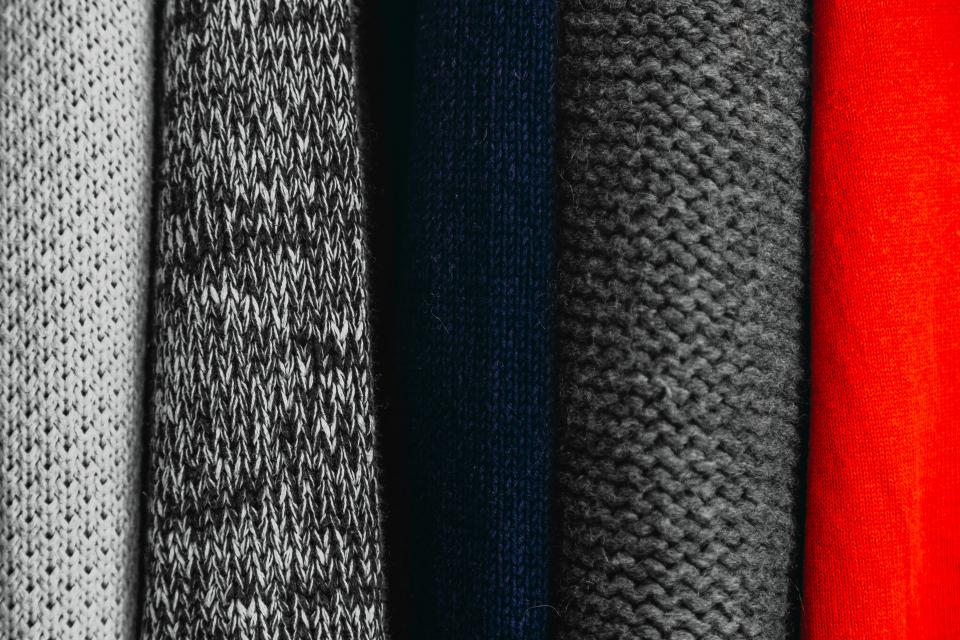
A good wool sweater or cashmere scarf can last for years, and a single bad wash can ruin it in 40 minutes. Shrunken cuffs, a stiff, felted body and a rough feel almost always come back to the same few causes: the wrong detergent, too much agitation and the wrong drying method.
Wash wool and cashmere with a mild, neutral-pH detergent that contains no enzymes or bleach, because wool is a protein fiber that harsh alkaline and enzyme-based formulas can damage. Hand wash in lukewarm water or use the machine wool cycle, around 40 degrees Celsius at most, avoid wringing, and dry the garment flat, never in a dryer.
Wool is more forgiving than its reputation when you treat it right. Below you will find out why ordinary detergents cause harm, how to choose a wool-safe product, how to wash by hand and by machine, the temperatures that matter, how to dry flat, and how to remove pills so knits look new again.
Why Regular Detergents Can Harm Wool
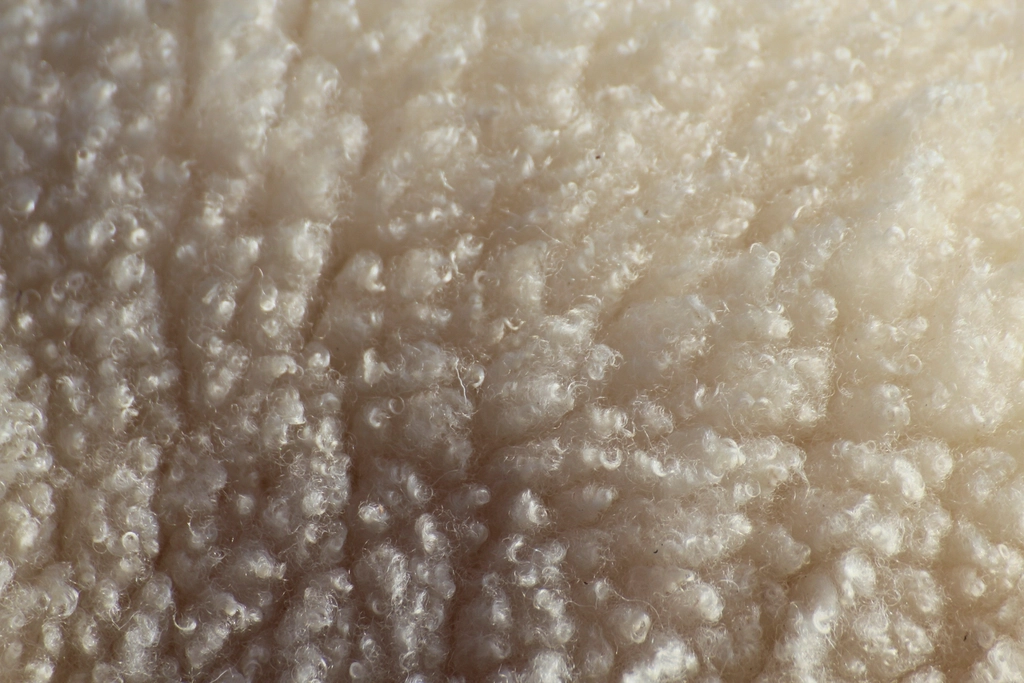
Wool and cashmere (which is a fine goat hair) are both made of keratin, a natural protein. Most of what makes a detergent powerful is the wrong match for protein fibers.
Enzymes target protein
Many modern detergents include protease enzymes that break down protein stains such as grass, blood, egg and sweat. The same enzymes can attack the protein in wool and cashmere. Woolmark is clear about this in its guide to detergents for wool: avoid “bio” detergents containing enzymes, since these can damage wool fibers. Over repeated washes, that can leave a garment weaker and rougher.
High pH and heavy-duty cleaners
Woolmark recommends mild or neutral detergents with a relatively neutral pH. Strongly alkaline powders and heavy-duty formulas are designed for cotton and synthetics, and harsh formulas are a common cause of wool feeling rough and losing softness. Many all-purpose detergents also include builders and boosters that are simply too aggressive for knitwear.
Bleach of any type
Woolmark states that you should never use bleach on wool, whether it is chlorine-based or oxygen-based. This includes detergents with bleaching agents and “stain-fighting” boosters. If you need to know how bleach and detergent differ, our article on detergent and bleach explains the roles.
Undissolved powder
Woolmark also advises pre-dissolving powder detergent before adding it to the wash. Concentrated spots of undissolved detergent can damage wool and may cause holes, so dissolve powder fully in water first, or choose a liquid.
Choosing a Wool-Safe Detergent
- Look for the Woolmark logo or wording such as “for wool,” “for delicates” or “wool and cashmere wash”
- Choose neutral-pH formulas that say “enzyme-free,” “non-bio” or “free of bleach and brighteners”
- Pick a liquid detergent, since liquids dissolve and rinse more completely in cool water
- Consider a fragrance-free product if you have sensitive skin
- Avoid heavy-duty, stain-fighting, color-booster or “oxi” formulas
Our overview of how detergents differ from soap is useful here, because pure soap leaves scum in hard water, and neither soap nor ordinary detergent is automatically right for wool. For delicate fabrics generally, our guide to washing lingerie and delicates in liquid detergent uses a similar approach.
What about fabric softener?
Skip it. Wool already has a natural soft feel, and Woolmark advises keeping any conditioner to a minimum, since too much promotes pilling. Our guide asking whether fabric softeners are necessary covers why they are optional for most clothes.
How much detergent?
Use a small, measured amount, usually a capful or less for a sink of water or a delicate load, and follow the dose on the label. Too much soap is hard to rinse out of wool and makes it feel stiff or dull.
Before You Wash
- Read the care label. Look for a hand wash symbol, a wool cycle symbol or a “dry clean only” note.
- Check for stains and treat them gently by dabbing a little diluted wool detergent onto the spot. Do not rub.
- Turn the garment inside out, which helps protect the surface from pilling.
- Close zippers and buttons.
- Test for colorfastness on an inside seam if the item is dark or brightly dyed, particularly red and navy.
- Wool does not need frequent washing. It naturally resists odor and stains, so air it out between wears and wash when it is dirty or smells.
Hand-Washing Wool and Cashmere
Hand washing is the safest method for cashmere and fine knits, and it is the best choice when a label says “hand wash only.”
- Fill a clean sink or basin with lukewarm water, about 30 degrees Celsius (86 degrees Fahrenheit), according to Woolmark.
- Add a small amount of wool-safe detergent and swirl until dissolved.
- Turn the garment inside out and lower it into the water. Press gently to wet it through.
- Soak for about 10 minutes, as in Woolmark’s instructions on how to wash wool. Do not soak for long periods.
- Swish lightly with your hands. Do not rub, twist or scrub.
- Drain the water. Rinse thoroughly in lukewarm water, then in cold water, until the water is clear and free of suds.
- Press out water with your palms. Do not wring.
For more on general hand washing technique, see our tips to hand wash clothes with detergent.
Machine-Washing Wool
Many wool items carry a machine-washable label, and some washers have a certified wool cycle. This is a reasonable choice for a sturdy sweater if the care tag allows it.
- Place the garment inside out in a mesh laundry bag.
- Wash it alone or with a few similar items, not with towels or heavy items.
- Select the wool or hand-wash cycle. Woolmark says to use the wool setting, usually a gentle action at 40 degrees Celsius. If your machine has no wool cycle, use cold water on the delicates cycle.
- Add wool-safe liquid detergent in the right dose, in the dispenser. Do not pour concentrated detergent directly on the garment.
- Use the lowest spin speed. A slow spin lowers stress on the fibers.
- Remove the garment as soon as the cycle ends.
Temperature and agitation
Wool shrinks and felts when heat, moisture and friction combine. Hot water, rough agitation and a sudden temperature change between wash and rinse all add up. Keeping the water lukewarm or cool, the cycle gentle and the load small prevents most disasters. Many cashmere makers go further and advise cold water only, so check the label.
| Method | Water temperature | Time | Best for |
|---|---|---|---|
| Hand wash | Lukewarm, about 30 C (86 F) | About 10 minutes’ soak | Cashmere and fine knits |
| Machine wool cycle | Up to 40 C (104 F) or cold | Cycle length | Machine-washable sweaters, socks |
| Delicates cycle, cold | Cold | Cycle length | When no wool cycle exists |
Drying Wool Flat
The dryer is the most common way wool is ruined. Heat and tumbling shrink and felt it in minutes. Woolmark recommends flat drying after washing.
- Lift the wet garment with both hands, supporting its full weight so it does not stretch.
- Lay it on a clean, dry towel. Roll the towel with the garment inside and press gently to squeeze out water.
- Unroll and move it to a dry towel or a mesh drying rack.
- Reshape sleeves, hem and neckline by hand to their original size.
- Dry flat away from direct sunlight, radiators and heaters.
- Flip the garment over once, partway through, so both sides dry evenly.
Do not hang a wet sweater from a hanger or clothesline. Water weight will stretch shoulders and sleeves out of shape. For tips on drying indoors safely, see our article on drying clothes indoors.
Getting Rid of Pills
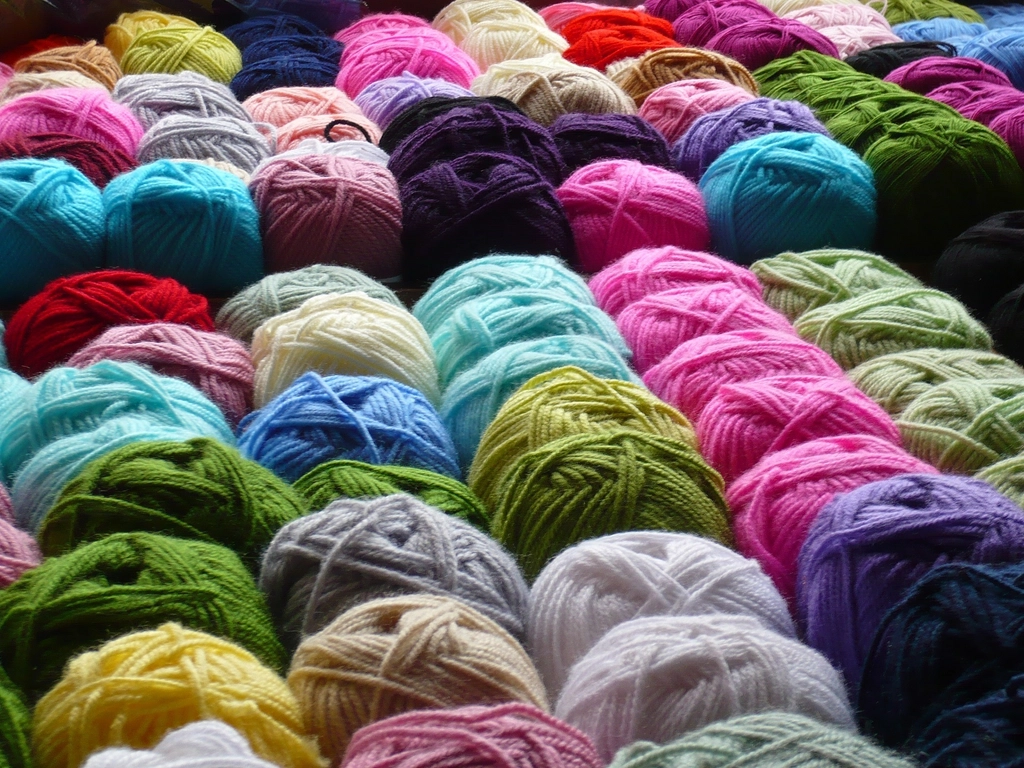
Pilling is normal on wool and cashmere. Short fibers rub loose and tangle into small balls on elbows, sides and cuffs. It does not mean the garment is poor quality, and it often eases with time and care.
How to de-pill safely
- Use a fabric shaver or electric de-piller, working lightly on a flat surface
- Use a sweater comb or a cashmere comb, with short strokes in one direction
- Use a pumice-type sweater stone, lightly, on sturdy knits only
- Pull a flat garment over a hard surface or tabletop for even support
- Never pull pills off with your fingers or scissors, since you may tug loops or cut the knit
How to prevent pilling
- Wash inside out, in a mesh bag, with a gentle cycle
- Avoid heavy bags and straps rubbing at the same spots
- Skip the dryer entirely
- Rest each sweater for a day or two between wears
- Keep conditioner and softener to a minimum, as Woolmark advises
- Store folded, not hung, with clean, cool, dry air to keep moths away
Frequently Asked Questions
Can I use regular detergent on wool in a pinch?
It is better to avoid it. If you must, use a small amount of a mild, enzyme-free liquid, wash cold and by hand, and rinse well. Plain, mild detergents without enzymes are better than bio products, but a proper wool wash is a better long-term investment.
Is baby shampoo a safe substitute?
Some people use it, but we did not find authoritative guidance recommending it. A detergent made for wool is the safer choice because it is formulated to rinse out cleanly.
How often should I wash a wool sweater?
Less often than cotton. Wool naturally resists odor and stains, so air it out after wearing and wash it only when it looks or smells dirty.
What if my wool sweater has already shrunk?
You may be able to relax the fibers by soaking the garment in lukewarm water with a little wool-safe detergent, pressing out the water and gently reshaping it flat. Results vary, and felted wool cannot be fully reversed. Treat it as a rescue attempt, not a guarantee.
Bottom Line
Treat wool like the protein fiber it is. Choose a neutral, enzyme-free, bleach-free wash, use lukewarm or cool water, keep agitation and spin low, rinse completely and dry the garment flat. Skip the dryer and softener, and de-pill gently when needed, and your wool and cashmere should keep their softness and shape for years.