
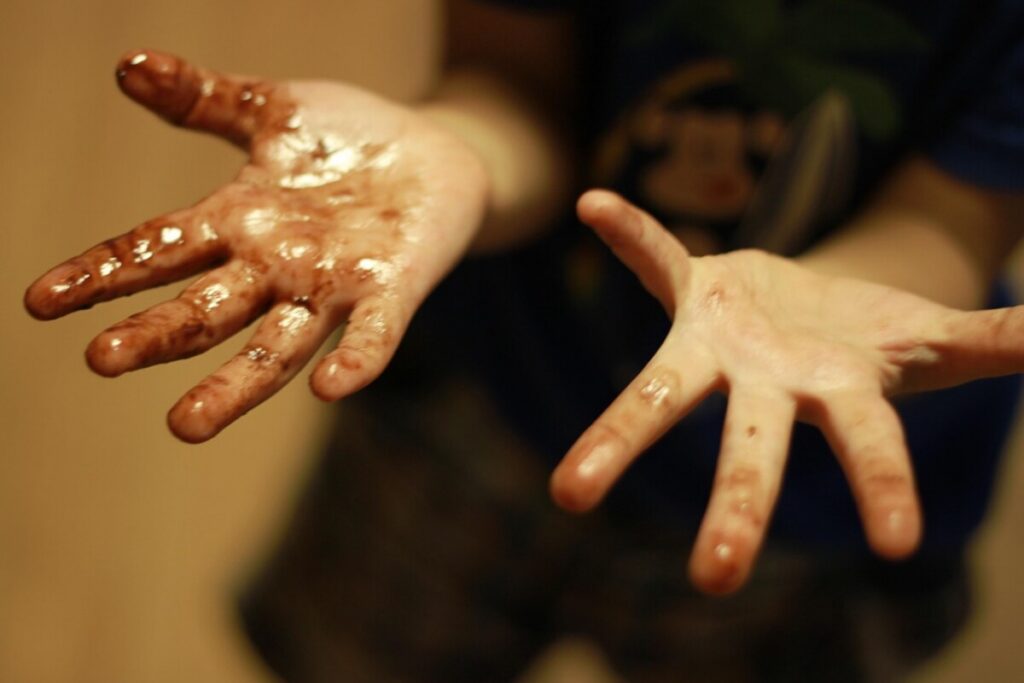
Chocolate melts on contact with warm skin, a hot car seat or a toddler’s hands, and then it spreads. A chocolate stain is a mix of cocoa color, fat and often sugar and milk, so it needs a short sequence of steps rather than a single scrub.
To get chocolate out of clothes, scrape off the excess, rinse the back of the fabric with cool water, then rub in liquid detergent or a pre-wash stain remover. Let it work, then wash in the warmest water the label allows, with a fabric-safe bleach if needed. Check the stain before you use a dryer.
The right approach depends on whether the chocolate is fresh or dried, and on your fabric. Below are step-by-step methods for whites, colors and delicates, a list of things to avoid, and a quick section on chocolate on carpet and upholstery.
What Is in a Chocolate Stain
Chocolate is not one soil. Cocoa solids give the brown color, cocoa butter and milk fat make a greasy film, and sugar and milk proteins can make it sticky. That is why a simple water rinse does not finish the job. Surfactants in detergent lift the greasy part, and enzymes in many detergents help with the protein. Our explainer on how laundry detergent works covers both.
The fat part has a practical consequence. If you heat a chocolate stain before treating it, the fat can melt into the fibers, which is the usual reason a stain becomes permanent. Cool water for the first rinse keeps the stain from spreading and setting.
Fresh vs. Dried Chocolate Stains
| Factor | Fresh or melted chocolate | Dried chocolate |
|---|---|---|
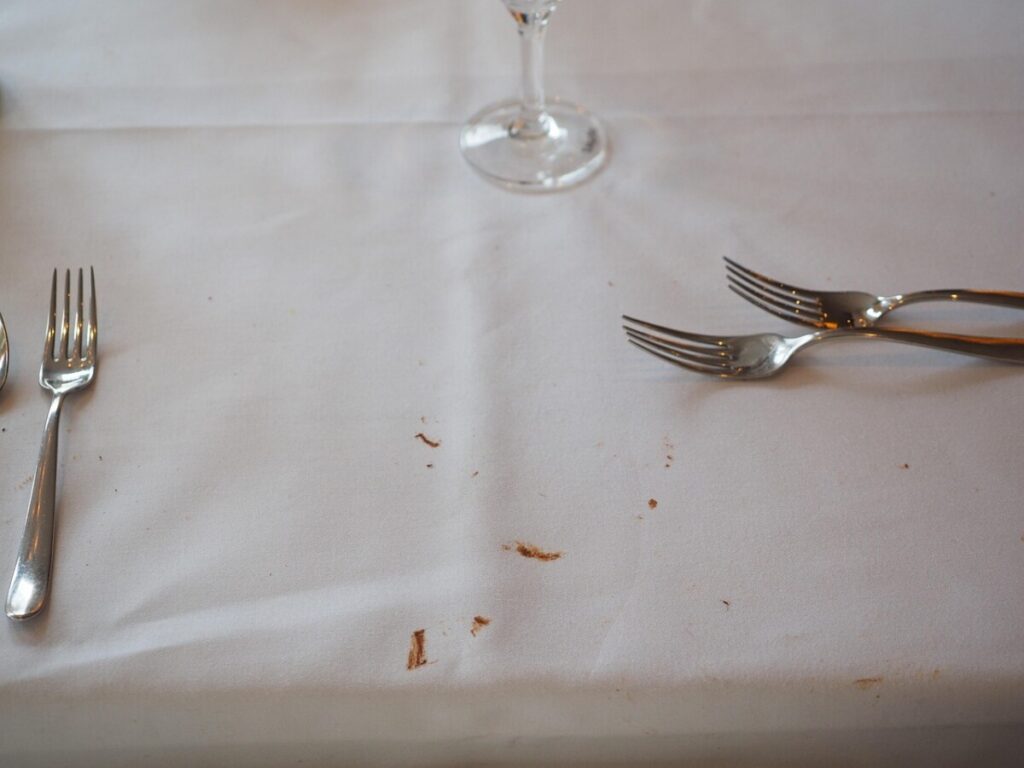
| Look | Soft brown smear, may be glossy | Hard, flaky patch with a dark or yellow ring |
| First step | Scrape off excess with a dull knife or spoon | Chip off the hard chocolate, then rewet |
| Treatment | Cool rinse, detergent rubbed in, short wait | Soak in warm water with an enzyme detergent, then detergent on the stain |
| Leftover grease | Dab with detergent again | Use a pre-wash stain remover or a waterless hand cleaner, then rinse |
| Risk | Rubbing smears it wider | Heat from a dryer fixes the oily ring |
If chocolate is still hard, as in a dropped chunk, let it harden slightly and lift it off with the edge of a spoon instead of smearing it. A little patience here makes the later steps much easier.
The Basic Method for Washable Clothes
- Remove the excess. Scrape gently with a spoon or the dull edge of a knife, working from the outside of the stain toward the center.
- Turn the garment inside out and run cool water through the back of the stain to flush loose cocoa out of the fibers.
- Rub liquid detergent into the stain from both sides. University of Georgia Extension lists rubbing a heavy-duty liquid detergent on a dampened stain, after a commercial pre-wash spot and stain remover.
- Wait a few minutes and rub the stain gently with your fingers.
- Wash using detergent in warm to hot water, adding a bleach if the fabric can safely take it. That is the University of Georgia Extension method, but always limit the temperature to what the care label allows.
- Check the stain before drying. If any brown or oily mark remains, repeat, and keep the garment out of the dryer.
For a large load of kids’ clothes, use the right amount of detergent for the load size. Our guide to liquid, powder and pod detergent helps you choose what suits your washer.
Step-by-Step by Fabric Color
White Cotton and Polyester
- Scrape, then rinse the back of the stain with cool water.
- Apply pre-wash stain remover or liquid detergent to both sides and work it in gently.
- Soak in warm water with an enzyme detergent if the stain is old, as University of Georgia Extension suggests.
- Wash in hot water if the label permits, with detergent and a bleach that is safe for the fabric. Oxygen bleach is the milder option; chlorine bleach suits sturdy white cotton only.
- Look for any remaining oily spot. If you see one, apply a little detergent again and rewash.
Do not mix any bleach with vinegar, ammonia or other cleaning products.
Colored and Dark Fabrics
- Test your stain remover on an inside hem and wait a few minutes.
- Scrape and rinse with cool water from the back.
- Rub liquid detergent into the stain. Use enzyme detergent for milk chocolate, since it contains milk protein.
- Wash in the warmest water the label allows, with an oxygen bleach or color-safe booster instead of chlorine bleach.
- Air dry and check in daylight. Chocolate leaves a brownish shadow on pale colors, and an oily shadow on dark ones.
If your dark items keep showing marks, our article on dark spots on washed clothes helps you work out whether the cause is stain residue or something else.
Delicates: Silk, Wool, Rayon and Lace
- Lift off the excess chocolate with a spoon, without pressing it into the fabric.
- Dab with a cloth dampened in cool water. Do not rub.
- Dab on a mild detergent diluted in cool water, then rinse by dabbing with clean water.
- If the label allows machine or hand washing, use a gentle cycle or a cool hand wash. Our guide to hand washing clothes with detergent explains the technique.
- For dry clean only items, do not apply water or solvents at home beyond a light dab. Take them to a cleaner and say that it is chocolate, because the fat and sugar need different treatments.
When a Greasy Ring Remains
It is common to remove the brown color and still see a faint oily halo. The University of Georgia Extension chocolate guide says that if oily residue remains after soaking, you can apply a commercial cleaner or a waterless hand cleaner and then rinse. Test on a hidden area first, since some products can affect dyes and finishes.
- Apply the cleaner only to the ring, not the whole garment.
- Rinse thoroughly with cool water to remove the product.
- Rub in liquid detergent and wash again.
- Repeat once if needed, and air dry between attempts.
For more on washing greasy marks, our guide to soaking clothes in detergent shows how long a soak can safely last.
Hot Chocolate, Ice Cream and Syrup
The same guide covers candy, ice cream and syrup together with chocolate, so the method carries over to related stains. Drinks like hot chocolate contain more water and sugar, so start with a cool rinse and be generous with the flush. Ice cream adds dairy fat, and chocolate syrup is mostly sugar and color.
- Melted bar chocolate: scrape, then use detergent and a warm wash.
- Hot chocolate: blot, rinse with cool water, then treat as a coffee-style stain with detergent.
- Ice cream: scrape, rinse, then use an enzyme detergent for the dairy.
- Syrup: rinse well first, since sugar dissolves in water, then wash as above.
What Never to Do With Chocolate Stains
- Do not put the garment in a hot dryer or press it with an iron. Heat sets the fat and sugar, and the stain may become permanent.
- Do not use hot water for the first rinse of a fresh stain on delicate fabrics; start cool and move to warmer water only in the wash, as the label permits.
- Do not rub or scrub the surface, because that smears chocolate into a larger patch.
- Do not mix bleach with vinegar, ammonia or other cleaners.
- Do not use chlorine bleach on silk, wool, spandex or colored items unless the label allows it.
- Do not skip the patch test on colors and delicates.
Chocolate on Carpet or Upholstery
University of Georgia Extension gives separate steps for each. Start by scraping off any solid chocolate. Check the cleaning code on furniture before using water or solvents.
- Carpet: dampen a clean white cloth with a commercial dry-cleaning solvent, apply it to the stain without pouring the solvent onto the carpet, and blot repeatedly, turning to a clean part of the cloth. If staining persists, spray lightly with a commercial multi-purpose cleaner or laundry pre-wash, then sponge with clear water and blot with a clean white cloth.
- Upholstery: scrape or blot the excess, treat the greasy part first with dry-cleaning solvent on a damp white cloth, then blot with a mix of 1 teaspoon of neutral detergent and 1 cup of lukewarm water. For what remains, apply a laundry pre-soak, cover with a dampened absorbent pad for 10 to 15 minutes, then sponge and blot.
- Ventilate the room when using solvents, keep them away from children and pets, and test on a hidden area first.
Frequently Asked Questions
Does Hot Water Set Chocolate Stains?
Heat is the main risk, but the advice depends on timing. Use cool water to rinse a fresh stain and to flush out loose chocolate. Warm to hot water is appropriate in the wash only once the stain has been pre-treated and if the care label allows it.
Can I Remove Old Chocolate That Went Through the Dryer?
You can often improve it. Chip off any hard residue, soak in warm water with an enzyme detergent, treat the greasy ring with a cleaner and detergent, and rewash. A faint shadow may stay.
Why Does the Stain Look Gone and Then Return?
Residual fat can dry to a visible ring. Always check the garment once it is dry in daylight before you tumble dry, and treat any ring again.
Is Baking Soda Helpful on Chocolate Stains?
Some consumer guides suggest it for light marks, but the extension and cleaning-industry guides we reviewed do not require it. If you use it, test first and rinse well.
Bottom Line
Scrape, rinse the back of the stain with cool water, rub in detergent, and give it time. Add warm to hot water in the wash only as the label allows, use a bleach that suits the fabric, deal with any greasy ring, and never use a dryer until the stain is gone. For deeper reading, visit the University of Georgia Extension chocolate and cocoa guide and the American Cleaning Institute stain removal guide.
Dealing with a different stain? Try the Stain Finder, or print our one-page stain cheat sheet.