If you have ever stood in the laundry aisle looking at a plain, brownish-yellow bar wrapped in paper, you have probably met Fels-Naptha. People search for “fels naptha” and “fels naptha soap” because the bar has been around for well over a century and still turns up in stain-removal tips, homemade detergent recipes and grandmother-approved advice.
This guide is a plain overview of the Fels-Naptha laundry soap bar, not a first-hand test. We cover who makes it, what is in it today, how to use it, and where it falls short, so you can read Fels-Naptha laundry soap bar reviews with a clear head.
Fels-Naptha is a laundry and stain remover bar made today by Summit Brands. You wet a stain, rub the bar on it, wait about a minute, then wash as usual. The maker’s current safety data sheet lists no naphtha or Stoddard solvent; the one ingredient it names is terpene hydrocarbons, at 1 to 5 percent. It is not a body soap: the sheet warns that it may cause an allergic skin reaction and can irritate eyes and, with prolonged contact, skin.
Below you will find the history and formula, the correct way to use the bar, who should be careful with it, and the situations where another product will do a better job. If you are still deciding between laundry bars in general, our guide to the best laundry soap bars gives wider context.
What Fels-Naptha Is and Who Makes It
Fels-Naptha is a solid bar sold as a “laundry and stain remover.” It is meant to sit next to your detergent, not replace it. You rub it on a soiled spot before the garment goes into the washer.
A Short History
The current maker dates the bar to 1894. According to the encyclopedia entry on the brand, which is not a manufacturer source, the original formula contained naphtha, a petroleum-derived solvent, and the brand changed hands several times over the decades. Summit Brands announced in September 2022 that it had bought Fels-Naptha, together with the Zout stain remover brand, from Henkel. You can read the longer timeline on the Fels-Naptha Wikipedia page.
The Current Maker
Summit Brands now makes the bar and presents it as part of its Zout brand family. Its official product page says the bar has been used for more than 130 years and that the stain-fighting formula is the same, with slight changes to the fragrance and a label ingredient list updated for regulatory compliance.
Because owners and labels have changed over time, the bar you find in a store today may not match the one a relative used years ago. Always read the label on the pack in your hand.
What Is in It Today
The word “naptha” is still in the name, but the modern bar is a different product from the original. The safety data sheet is a reliable place to look for hazards, because it lists what the maker must disclose, but it is not a full ingredient list. For that, read the wrapper.
Soap Base and Solvent-Type Ingredient
According to the manufacturer’s safety data sheet, dated October 28, 2022, the product is a “laundry soap bar stain remover” with a pH of 10 to 10.5 and a citrus oil odor. The only ingredient its composition table names is “hydrocarbons, terpene processing by-products” at 1 to 5 percent, and the sheet also refers to palm oil. It does not spell out the soap base, so check the ingredient list on the wrapper for the fats used. If you avoid animal-derived ingredients, look for sodium tallowate, which is soap made from tallow.
What Changed from the Old Formula
Public references say the older bar contained naphtha. The current maker’s safety data sheet does not list naphtha or Stoddard solvent; the hydrocarbon ingredient it names is the terpene by-product mentioned above. That is why you may see claims online that “Fels-Naptha is naphtha soap.” Going by the maker’s sheet, that describes the historic bar and not the current one.
Marketing Words to Read Carefully
Some retailer and brand pages use words such as “eco-friendly” or “biodegradable.” Those are marketing descriptions, not tested results from this site, and the safety data sheet does not give you a full environmental picture. Our article on what makes laundry detergent eco-friendly explains what to look for instead.
What It Is Meant For
The maker lists the bar’s main job as removing tough stains such as grease, oil, perspiration, blood, wine and grass. It is a pre-treatment: the soap sits on the stain and loosens it before the wash.
Stain Pre-Treatment
This is the use that matters most. A bar is concentrated, so you can put the soap exactly on the stained area instead of dosing the whole load. It suits collar rings, greasy kitchen spills, muddy knees and sweat marks on work shirts.
Laundry Booster
The manufacturer also lists a booster use: grate one sixteenth of the bar into the washer along with your regular detergent. That is a small amount, so resist the urge to add more. Extra soap in a modern washer can leave residue, which we discuss below.
Other Uses the Maker Mentions
The brand pages also mention grating the bar for homemade detergent recipes, whitening fabrics, deodorizing activewear and cleaning cloth diapers. Treat these as optional extras. Homemade recipes vary widely, and nobody has verified that they match commercial detergents on cleaning power or on how they treat your machine.
How to Use the Bar Step by Step
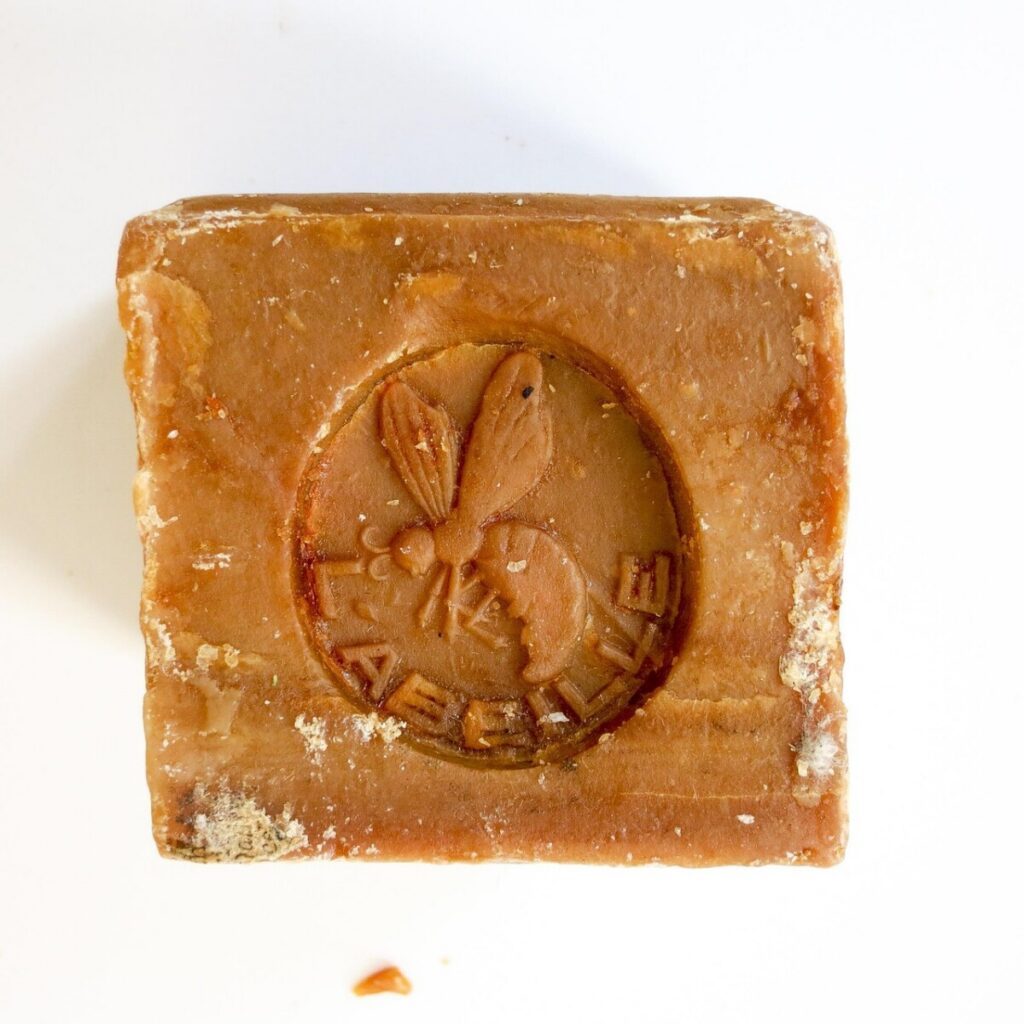
Follow the manufacturer’s directions, which are short and simple.
Pre-Treating a Stain
- Check the garment care label and test an out-of-sight spot first, as the maker advises. Do not use the bar on anything labeled dry clean only.
- Remove any solid residue by lifting it away with a spoon or dull knife.
- Wet the stain with cool or lukewarm water.
- Rub the bar directly on the wet stain until a light layer of soap sits on it.
- Wait about one minute, per the manufacturer. For old or oily stains many people gently work the soap in with a soft brush or an old toothbrush and wait longer, but check that your fabric tolerates it.
- Wash the item as normal with your usual detergent.
- Check the stain before you dry. Heat from a dryer can set a stain permanently, so air-dry the item if any mark remains and treat it again.
Our walkthrough on how to use laundry soap bars has more handling tips, including how to store a bar so it lasts.
Grating It into a Load
- Use a dedicated grater that you will not use for food.
- Grate about one sixteenth of the bar, as the maker directs.
- Add it to the drum with your regular detergent and wash as normal.
Do not use this method in place of a detergent. Soap alone has limits, as covered in the section on where the bar falls short.
What It Is Not For
This is the part many reviews skip. Fels-Naptha is a laundry product, and the safety data sheet treats it that way.
Not a Body Soap
The bar is not designed for skin, hair or the bath, even though it looks like old-fashioned soap. Some people used it on skin in the past, particularly after contact with poison ivy. The maker’s product page presents the bar only as a laundry stain remover, not as a poison-ivy treatment, and its safety data sheet warns of possible allergic skin reactions. If you think you have been exposed to poison ivy and have a rash, speak to a doctor or pharmacist.
Not for Delicate or Labeled Fabrics
Skip silk, wool and anything labeled dry clean only unless the label allows hand washing with soap. Soap-based bars are alkaline, which can be harsh on protein fibers.
Not a Dishwasher or Dish Soap
The maker’s directions cover laundry stains and a laundry booster dose, not dishes. Use products made for that purpose.
Safety and Sensitivities
Soap bars feel harmless, but the data sheet is clear that this one can irritate.
Eyes and Skin
The maker’s safety data sheet classifies the bar as a skin sensitizer, with the signal word “Warning” and the hazard statement “May cause an allergic skin reaction.” It adds that direct contact with eyes may cause temporary irritation and that prolonged skin contact may cause temporary irritation. If you get a rash, stop using the bar and seek medical advice, as the sheet directs. Wear gloves if you rub stains for a long time or have sensitive hands, and wash your hands afterward. If soap gets in your eyes, rinse with plenty of water and follow the first-aid steps on the data sheet.
Fragrance and Residue
The bar has a noticeable scent. People who react to fragrance, who have eczema, or who wash clothes for babies may do better with a fragrance-free option. Our laundry detergent guide for allergy sufferers explains how to choose.
Children and Pets
Keep the bar out of reach. It looks like ordinary soap and is not a food or toy. If a child or pet swallows some, contact poison control or a veterinarian.
Where Fels-Naptha Falls Short
Being honest means saying what the bar cannot do.
- It is a soap, not a modern detergent, so in hard water it can form a whitish scum with minerals. Dr. Bronner’s, a soap maker, explains this reaction for true soaps in general.
- The maker’s pages and safety sheet do not mention the enzymes found in many liquid stain removers, so it is not the best first choice for set protein stains such as old blood.
- Over-grating into a high-efficiency washer can lead to excess suds or residue. If you notice stiff towels or gray film on dark clothes, use less or stop.
- It can leave a scented, waxy film on a fabric if you do not rinse well, which is more of a risk in cold, short cycles.
- It is not a bleach or a disinfectant, and it will not remove every stain.
If you are comparing soaps and detergents in general, our article on detergents and soap explains why the two behave differently.
Frequently Asked Questions
Is Fels-Naptha Safe to Use?
Used as directed on laundry, it is an ordinary household laundry product, but the maker’s safety data sheet warns that it may cause an allergic skin reaction and can irritate eyes and, with prolonged contact, skin. Wear gloves for long scrubbing sessions, keep it away from children and pets, and do not use it as body soap.
Does Fels-Naptha Still Contain Naphtha?
The maker’s current safety data sheet does not list naphtha or Stoddard solvent. The hydrocarbon ingredient it names is “hydrocarbons, terpene processing by-products” at 1 to 5 percent. Public references say the original formula had naphtha. The name stayed the same.
Can I Use Fels-Naptha in a High-Efficiency Washer?
The maker’s booster direction, one sixteenth of a bar grated into the washer with detergent, does not mention washer type, so it neither confirms nor rules out high-efficiency machines. Pre-treating is the safer use. Check your washer manual, and stop using it in the drum if you see residue or too many suds.
Is Fels-Naptha the Same as Zote?
No. They are different brands from different makers with different formulas and scents. Our Fels-Naptha vs Zote comparison covers the differences side by side.
Bottom Line
Fels-Naptha is a long-lived stain pre-treatment bar from Summit Brands. It is simple and useful for greasy, sweaty and muddy marks, as long as you use it on laundry only, in small amounts, with a care-label check first.
Do not treat it as a body soap or a cure-all. If you want a fragrance-free option or something with enzymes, see our guide to Fels-Naptha alternatives.
More on Laundry Soap Bars
- Zote Soap: What It Is and How to Use It for Laundry
- Fels-Naptha vs Zote: Which Laundry Bar Should You Use?
- Best Bar Soap for Stains: Which Laundry Bars Work on Which Stains
- Fels-Naptha Alternatives: What to Use Instead
- Can You Use Regular Bar Soap to Wash Clothes?
- Laundry Detergent Bars vs Liquid Detergent: Is a Bar Enough?
- 10 Best Laundry Soap Bars to Try
- How to Use Laundry Soap Bars
Dealing with a different stain? Try the Stain Finder, or print our one-page stain cheat sheet.