Fels-Naptha is sometimes hard to find, and some people do not want its scent, its ingredients or a bar at all. If you searched for an alternative to Fels-Naptha soap, the good news is that stain removal does not depend on one product. What matters is matching the stain to the right tool.
This guide covers the main replacements: other laundry bars, liquid stain removers, oxygen bleach and enzyme pre-treaters. We explain when each one makes sense so you can pick without buying five products.
The best Fels-Naptha alternatives are another laundry bar such as Zote for greasy spots, a liquid stain remover or plain liquid detergent for everyday pre-treating, an enzyme pre-treater for blood, grass and food stains, and an oxygen bleach soak for brightening colorfast fabrics. Choose by stain type and by whether you need a fragrance-free or animal-free product.
Read on for what each option does, its limits, and a quick guide to choosing. If you want to compare other bars first, our best laundry soap bars review is a good starting point.
Why People Look for Alternatives
Fels-Naptha is a soap-based stain bar made by Summit Brands. According to the manufacturer’s safety data sheet it contains a small share of terpene hydrocarbons, has a citrus oil odor and may cause an allergic skin reaction. Reasons people move on include:
- The bar is out of stock or not sold nearby.
- They want a fragrance-free product for sensitive skin, babies or allergies.
- They want a vegan or plant-based soap and the wrapper lists a tallow-based soap, which is made from animal fat.
- They have hard water, where true soaps can leave residue.
- They need something stronger on protein or colored stains.
Our Fels-Naptha overview explains what the bar is and is not, if you want to be sure it is what you are replacing.
Other Laundry Bars
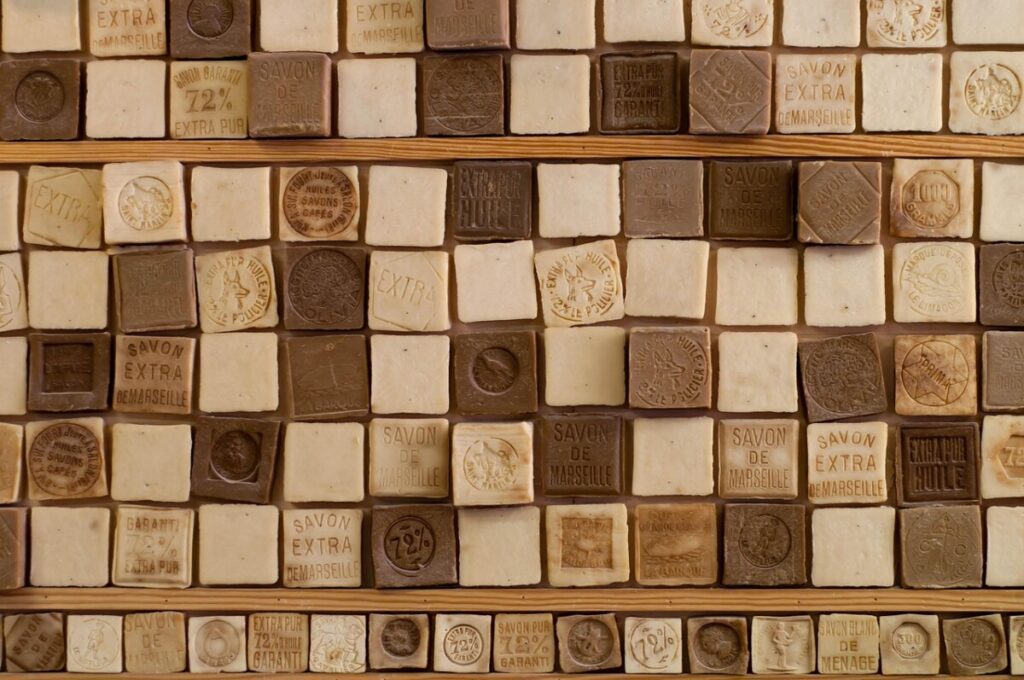
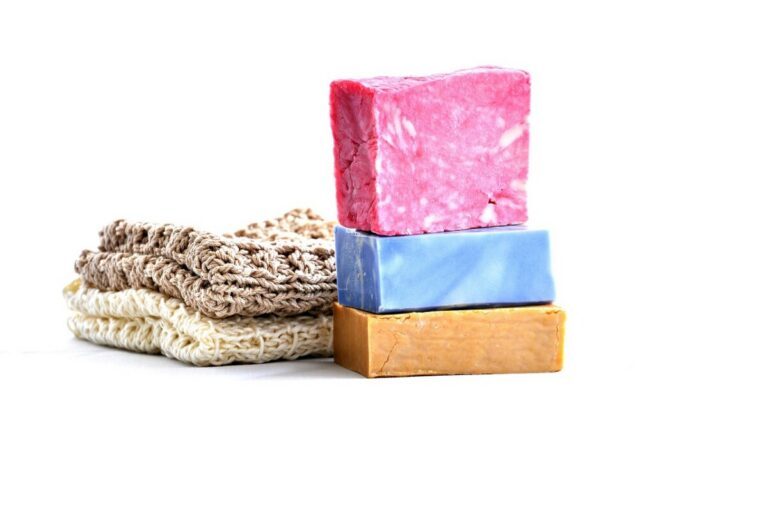
Another bar is the closest swap, and it uses the same rub-on method.
Zote
Zote is a large pink, white or blue laundry bar from Fábrica de Jabón La Corona. According to the maker, it is made from tallow and coconut oil, with fragrance and an optical brightener, and it is meant for hand washing and for pre-washing collars, cuffs and difficult stains. It is scented and not vegan, so it only solves the availability problem.
Plain Coconut-Oil Bars
Some people try a coconut-oil castile-type bar for spot cleaning. These bars are usually sold as personal soaps, not laundry stain removers. Check the wrapper for the full ingredient list and for any fragrance, test the bar on a hidden spot and expect a gentler result.
When a Bar Still Makes Sense
Bars are convenient for grease, sweat and dirt, they last, and they avoid plastic bottles. They are weaker on protein stains and can leave scum in hard water. For handling tips, see how to use laundry soap bars.
Liquid Stain Removers and Plain Detergent
Liquid Detergent as a Pre-Treater
Plain liquid detergent works well as a spot treater, because it is designed for the washer and rinses cleanly. Dab a small amount on the stain, work it in gently, wait about ten minutes for grease and wash. Maytag’s grease stain guide gives a similar method.
Dedicated Liquid Stain Removers
Spray and gel stain removers are made for pre-treating. They often contain surfactants, solvents and enzymes. They suit people who dislike rubbing a bar and want fast spot treatment. Read the label for fabrics it can damage, and for whether it contains fragrance if that matters to you.
When They Make Sense
Liquids also solve a practical problem: they dissolve fully, even in cool water, so they leave fewer flecks and less film than a grated bar in a short, cold cycle. They are also easier to apply to a large area, such as a spill across a shirt front.
Pick a liquid if you have hard water, a high-efficiency washer or little time. Pick a fragrance-free liquid if scent is the reason you are leaving Fels-Naptha. Our guide to unscented detergent discusses why people choose it.
Enzyme Pre-Treaters
Enzymes are proteins that break down other proteins and, in some cases, starches and fats. The American Cleaning Institute’s stain removal guide advises that dried stains be pretreated or soaked in warm water with a product containing enzymes.
Best For
Blood, grass, egg, milk, baby food and sweat. These are the stains soap bars handle least well.
How to Use
- Rinse the stain with cold water first, especially blood, because hot water can set protein stains.
- Apply the enzyme product to the stain, or dissolve it in water for a soak, following the label.
- Allow the dwell time the label gives. Enzymes need time to work.
- Wash as normal.
- Check before drying, because dryer heat sets stains.
Limits
Enzymes can be less useful on pure grease and are not meant for silk or wool, which are protein fibers. Check the label for fabric cautions.
Oxygen Bleach
Oxygen bleach, such as products based on sodium percarbonate, releases oxygen when dissolved in water. It lifts color from stains and brightens fabrics. The maker of OxiClean describes it on its product page.
Best For
Oxygen bleach is a brightening step more than a grease remover, so it pairs well with a bar or liquid: lift the oil first, then soak to remove leftover color. Yellowed whites, sweat discoloration, tea, coffee and wine on colorfast cotton. It also helps when a bar removed the grease but left color behind.
How to Use
- Test on a hidden seam, since it is only for colorfast fabrics.
- Dissolve the powder in water at the temperature the label directs. Dissolving in warm water first helps in cold-wash settings.
- Soak for the time on the label.
- Wash and check before drying.
Limits and Safety
Do not use it on wool, silk, leather or dry-clean-only items. Never mix any bleach with ammonia, vinegar or other cleaners. Our article on detergent and bleach explains the differences.
Fragrance-Free and Sensitive-Skin Options
Fragrance is the most common reason people give for leaving a scented bar. Fragrance-free is not the same as unscented, since an unscented product can contain masking fragrance, so look for the words “fragrance-free” and read the ingredient list. A fragrance-free liquid used as a pre-treater, followed by a thorough rinse, is often the simplest answer. If you are washing baby clothes, bedding or items that touch irritated skin, add an extra rinse cycle and avoid leaving any stain remover on the fabric for longer than the label allows.
If you have eczema or a known allergy, talk to a doctor or pharmacist about which products to avoid, and test any new product on a small area of fabric and, separately, notice how your skin reacts to the washed item.
Mistakes to Avoid When Switching
- Using several stain products on the same spot at once. Different chemistries can interfere with each other, and mixing them in one bucket can be unsafe. Treat, rinse, then try the next product.
- Skipping the care label. Some fabrics cannot take enzymes, oxygen bleach or alkaline soap.
- Putting the garment in the dryer to check the result. Heat can set what is left, so check while damp and air-dry if unsure.
- Expecting one product to fix every stain. Grease, protein and color stains each respond to something different.
- Leaving products where children or pets can reach them. Keep bars, powders and liquids stored closed and high.
A Simple Starter Kit
You do not need much. A practical set for most households is a regular detergent you already own for grease, one enzyme product for protein stains, and an oxygen bleach for whites. Add a laundry bar only if you like the rub-on approach or do a lot of hand washing. Store the powders sealed and dry, and the bar on a draining dish.
Which Alternative to Choose
| Your situation | Good option | Why |
|---|---|---|
| Cannot find Fels-Naptha, want same method | Zote or another laundry bar | Same rub-on approach |
| Need fragrance-free | Fragrance-free liquid detergent or a fragrance-free bar | Avoids scent |
| Want plant-based | Coconut-oil bar or plant-based liquid | No tallow |
| Hard water | Liquid detergent made for hard water | Avoids soap scum |
| Blood, grass, food | Enzyme pre-treater | Breaks down proteins |
| Dull whites, sweat yellowing | Oxygen bleach soak | Lifts color |
Frequently Asked Questions
What Can I Use Instead of Fels-Naptha?
Zote or another laundry bar for the same rub-on approach, a liquid detergent or stain remover for easier rinsing, an enzyme product for protein stains, or an oxygen bleach soak for brightening.
Is There a Fragrance-Free Alternative?
Yes. Look for fragrance-free liquid detergent or a fragrance-free bar, and confirm on the label, since claims vary. If skin is sensitive, see our guide for allergy sufferers.
Are There Vegan Alternatives to Fels-Naptha?
Zote’s maker says it is made with beef tallow, so it is not vegan. For Fels-Naptha, check the wrapper for sodium tallowate, which is tallow-based soap. Check labels on plant-based bars and liquids for ingredients you want to avoid.
Can I Make My Own Substitute?
Homemade recipes exist, but they are not verified here and results vary with water and fabric. A commercial stain remover with a clear label is more predictable.
Bottom Line
You do not need Fels-Naptha to remove stains. For greasy spots, another bar or plain liquid detergent works. For protein stains, use enzymes. For dull or yellowed whites, use an oxygen bleach soak on colorfast fabrics.
Match the product to the stain, test first, keep everything away from children and pets, and never mix cleaning products.
More on Laundry Soap Bars
- Zote Soap: What It Is and How to Use It for Laundry
- Fels-Naptha Laundry Soap Bar: What It Is, What It Does and Whether It Is Safe
- Fels-Naptha vs Zote: Which Laundry Bar Should You Use?
- Best Bar Soap for Stains: Which Laundry Bars Work on Which Stains
- Can You Use Regular Bar Soap to Wash Clothes?
- Laundry Detergent Bars vs Liquid Detergent: Is a Bar Enough?
- 10 Best Laundry Soap Bars to Try
- How to Use Laundry Soap Bars