Fels-Naptha and Zote sit side by side in so many laundry tip lists that people assume they are two versions of the same thing. They are not. One is a compact American stain bar, the other a big Mexican laundry soap, and they suit different jobs.
This comparison is based on what each maker and its safety paperwork say, plus general laundry practice, not on a lab test. If you only want the short answer, it comes first.
Choose Fels-Naptha if you want a small stain pre-treatment bar with clear manufacturer directions for rubbing on wet stains. Choose Zote if you want a large, simple tallow and coconut soap for hand washing and grating. Neither is sold as a body soap, neither replaces a modern detergent in hard water, and both need restraint in high-efficiency washers.
Below is the side-by-side table, then a closer look at purpose, ingredients, scent, size and cautions. For background on either bar, see our guides to the best laundry soap bars and how to use laundry soap bars.
Fels-Naptha vs Zote at a Glance
| Feature | Fels-Naptha | Zote |
|---|---|---|
| Maker | Summit Brands (US) | Fábrica de Jabón La Corona (Mexico) |
| Main purpose | Stain pre-treater and laundry booster | Hand washing, stain rubbing, grating |
| What the maker discloses | A laundry soap bar; the safety data sheet names terpene hydrocarbons at 1 to 5 percent. Check the wrapper for the soap fats | Sodium tallowate and sodium cocoate soap, glycerin, perfume and optical brightener, per the maker |
| Scent | Scented; the safety data sheet describes a citrus oil odor | Citronella, per the maker |
| Size | Compact bar; check the wrapper for the net weight | Large bar; the maker lists 400 g, 200 g and 100 g bars |
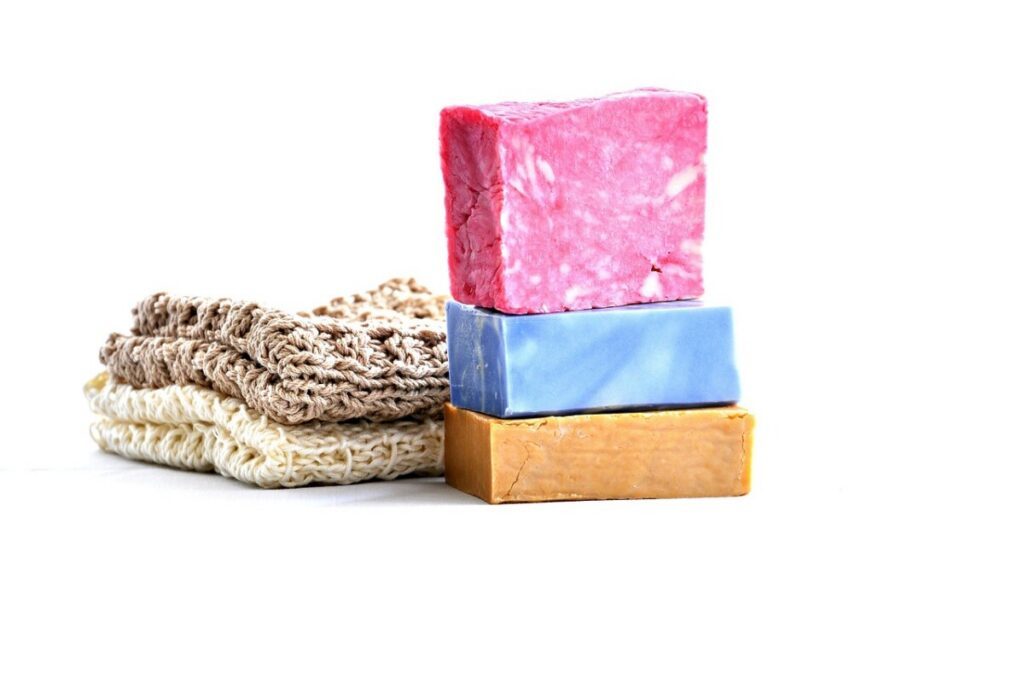
| Colors | One bar | Pink, white and blue |
| Best uses | Spot pre-treating, small booster dose | Hand washing, pre-washing collars and cuffs, grated soap |
| Cautions | May cause an allergic skin reaction; can irritate eyes and, with prolonged contact, skin | Alkaline; avoid prolonged skin contact; recommended use is washing clothes |
| Not for | Body soap, dry-clean-only items | Dry-clean-only items; sold for laundry, not as a body soap |
Purpose: Stain Bar or General Laundry Soap
The biggest difference is what each one is built to do.
Fels-Naptha
The manufacturer’s product page calls it a bar-form stain remover and gives two directions: wet the stain, rub the bar on it, wait a minute and wash; or grate one sixteenth of the bar into the washer with detergent. It is positioned as a stain-fighting tool for grease, oil, sweat, blood, wine and grass.
Zote
The maker, Fábrica de Jabón La Corona, describes a pure laundry soap whose shape and size suit hand washing, and recommends it for pre-washing collars, cuffs and difficult stains before machine washing. In practice people reach for it when scrubbing a whole garment in a basin, not only a single spot. Our tips to hand wash clothes apply to either bar.
Ingredients
Ingredient lists on bars are short, which makes them easier to compare than liquid detergents. Still, the order and wording differ by seller and by production run, so treat what you read here as a guide and the wrapper as the final word.
Zote’s maker says it is made from beef tallow and coconut oil, so it is not vegan. The Fels-Naptha safety data sheet does not spell out the soap fats, so if you avoid animal-derived ingredients, check its wrapper for sodium tallowate.
What the Labels and Sheets Say
Per its safety data sheet, Fels-Naptha is a laundry soap bar whose one named ingredient is terpene processing by-products described as hydrocarbons, at 1 to 5 percent. Zote’s maker lists tallow and coconut soaps with glycerin, perfume and an optical brightener, and its safety sheet for the pink bar puts the soap content at 66 to 75 percent. Both bars are scented.
The Naphtha Question
The current maker’s safety data sheet for Fels-Naptha does not list naphtha or Stoddard solvent, even though the name suggests it. Do not choose it, or avoid it, based on that old ingredient. Look at the current label.
Optical Brighteners
Zote lists an optical brightener. These additives make whites look brighter by adding a fluorescent effect. If you dislike brighteners on colored or black clothes, check the label of whatever you buy. Fels-Naptha pages we reviewed do not list one, so compare the wrappers if this matters to you.
Scent, Size and Handling
Scent
Scent matters more than it seems, because a bar sits on damp fabric and then on your skin all day.
Fels-Naptha has a noticeable scent, described on its safety data sheet as citrus oil. Zote leans on citronella, with a lemon-like freshness. Neither is fragrance-free, so people with fragrance sensitivity should read our allergy-friendly detergent guide before using either on baby or bedding laundry.
Size and Storage
Fels-Naptha is a smaller bar that fits in a hand and a laundry-room drawer. Zote is much bigger, which suits grating and long-term use but is awkward for a single quick spot treatment unless you cut it. Keep either bar dry on a draining dish, away from children and pets.
Grating
Grating works for both. Use a dedicated grater, dissolve shavings in hot water before adding them to the machine, and keep amounts small. The Fels-Naptha maker suggests one sixteenth of a bar per load as a booster. Zote has no standard dose on the pages we reviewed, so start with a small spoonful of shavings and adjust.
Best Uses by Situation
- Single greasy spot on a work shirt or kitchen towel: Fels-Naptha or Zote both work as a rub-on pre-treater.
- Muddy sports knees or dirty cuffs: either one, with a soft brush.
- Hand washing a basin of small items: Zote’s size and simple soap base suit it.
- Whites that look dull: Zote contains an optical brightener in all three colors, though remember hard water can cause grayness for any soap.
- Booster in a regular load: Fels-Naptha has a clear maker dose; Zote has none, so test carefully.
- Fabric you can’t test on: neither. Use a product made for that fabric.
Cautions That Apply to Both
Hard Water
Both bars are true soaps. Dr. Bronner’s explains on its hard water page that calcium and magnesium bind with soap to form a whitish residue called soap scum. On laundry this can mean stiff towels and dull colors. In hard water, pre-treat with the bar but wash the load with a detergent formulated with water-softening builders. Our explainer on detergents and soap covers the difference.
High-Efficiency Washers
HE machines use little water. Heavy doses of any bar can leave residue or cause extra suds. Check your manual, use small amounts, and add an extra rinse if clothes feel waxy.
Skin and Eyes
The Fels-Naptha safety data sheet warns that the bar may cause an allergic skin reaction, and that it can irritate eyes and, with prolonged contact, skin. Zote’s pink-bar safety sheet advises avoiding prolonged skin contact and rinsing eyes with running water for at least 15 minutes after a splash. Wear gloves for long scrubbing.
Not for Delicates
Both are alkaline. Skip silk, wool and dry-clean-only items unless the care label allows hand washing with soap. When in doubt, a mild liquid made for delicates is safer.
How to Try a New Bar Safely
Whichever bar you pick, a short trial protects your clothes and your machine.
- Read the care label on the item and the wrapper on the bar.
- Test on a hidden seam or hem. Wet the spot, rub the bar on it, wait a few minutes, rinse and let it dry.
- Check the test patch for color change, a stiff feel or a waxy film.
- Treat a real stain on an old cotton item first before moving to a favorite shirt.
- Wash with your usual detergent, rinse well and let the item air-dry until you are sure the stain is gone, because dryer heat can set what remains.
Common Mistakes With Both Bars
- Using too much. A thick layer of soap does not clean better, it just leaves more to rinse out.
- Adding dry shavings to a cold, short cycle. Cold water dissolves soap poorly, so shavings can survive the wash and leave flecks.
- Using hot water on blood or other protein stains. Rinse those with cold water first.
- Combining a bar with bleach or other cleaners in the same bucket. Never mix cleaning products unless the label says it is safe, and never mix bleach with ammonia or vinegar.
- Leaving a damp bar sitting in a puddle, which turns it soft and wastes it.
- Assuming the bar replaces detergent. A bar is a spot tool or a small booster, not a complete wash system for a big, heavily soiled load.
Choose This If
- Choose Fels-Naptha if you want a compact bar with a clear one-minute pre-treat direction from the maker and a defined booster dose, and you mostly treat spots.
- Choose Zote if you want a big, plain soap for hand washing or grating, and you are comfortable working out your own small doses.
- Choose neither if you need fragrance-free laundry, have very hard water and rely on the machine for the whole wash, or you avoid animal-derived ingredients and the wrapper lists tallow. See other bars in our laundry soap bar roundup instead.
Frequently Asked Questions
Is Fels-Naptha the Same as Zote?
No. They are different brands with different makers, scents and bar sizes. Both are soap-based laundry bars, but their directions and intended uses differ.
Which Is Better for Stains?
Both are used for pre-treating grease and body soil. Fels-Naptha is marketed first as a stain remover, with a short maker direction. Zote is a broader laundry soap that also works as a spot treatment.
Can I Mix Them in Homemade Detergent?
You can find recipes that use either, but nobody has verified those recipes on this site, and mixing adds no proven benefit. Use one bar and keep amounts small.
Which Is Safer for Sensitive Skin?
Neither is designed for skin. Both are scented and alkaline. Rinse well, wear gloves for long jobs and consider a fragrance-free option if you react to scents.
Bottom Line
Fels-Naptha is the compact stain-treatment bar. Zote is the big, general-purpose laundry soap. Pick based on how you wash: spot treating points to Fels-Naptha, hand washing and grating point to Zote.
Whichever you choose, use small amounts, test first and keep it for laundry only.
More on Laundry Soap Bars
- Zote Soap: What It Is and How to Use It for Laundry
- Fels-Naptha Laundry Soap Bar: What It Is, What It Does and Whether It Is Safe
- Best Bar Soap for Stains: Which Laundry Bars Work on Which Stains
- Fels-Naptha Alternatives: What to Use Instead
- Can You Use Regular Bar Soap to Wash Clothes?
- Laundry Detergent Bars vs Liquid Detergent: Is a Bar Enough?
- 10 Best Laundry Soap Bars to Try
- How to Use Laundry Soap Bars