
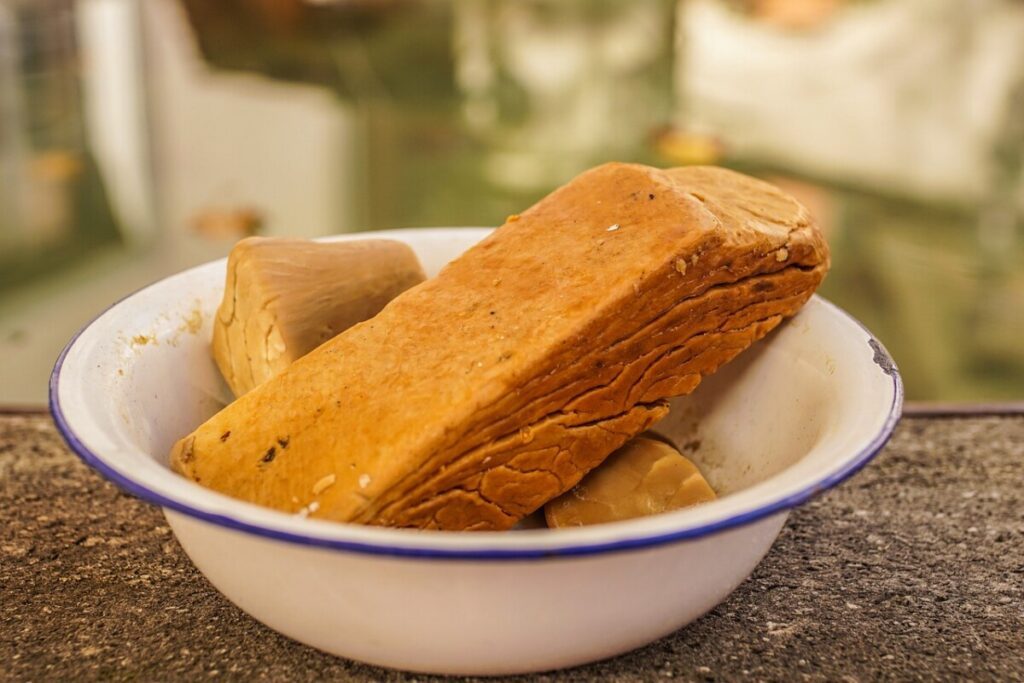
Zote is one of the few laundry products that people recognize by color before they read the name. The big pink bar, with its faint citrus smell, has been a hand-washing staple in Mexico for decades and has a loyal following in the United States. If you keep seeing “zote soap” in laundry tips and wonder what you are buying, this guide covers it.
We stick to what the maker and its safety paperwork say, plus general laundry practice. This is a guide, not a lab test.
Zote is a Mexican laundry soap made by Fábrica de Jabón La Corona, best known as a large pink bar. According to the manufacturer, it is made from tallow and coconut oil, with fragrance and an optical brightener. You use it to hand wash clothes, rub on stains before washing, or grate into shavings. In hard water and in high-efficiency machines, use it sparingly.
Read on for the differences between the pink, white and blue bars, how to use each one, and the cautions that matter for modern washers. For a wider view of bars, see our roundup of the best laundry soap bars.
What Zote Soap Is
Zote is a bar of true soap, meaning it is made by saponification of fats and oils rather than being a synthetic detergent. Our explainer on detergents and soap covers why that distinction matters in the wash.
Who Makes It
Zote is produced by Fábrica de Jabón La Corona, based in Ecatepec in the State of Mexico. The company’s own Zote pages say La Corona launched the soap in 1970 and describe it as a pure laundry soap made from coconut oil and beef tallow, with optical brighteners, in a shape and size meant for hand washing.
Why It Is Popular
Three things drive the reputation. The bar is large, so one bar goes a long way. It is made from familiar fats rather than a long list of additives. And it is versatile, since people grate it, rub it directly on stains, and use it for scrubbing by hand. Popularity is not proof of performance, but it explains the many reviews you see.
Pink, White and Blue Bars
The maker lists three laundry bars: pink, white and blue. According to its own FAQ, all three are the same soap and the only difference is the dye in the pink and blue bars. Sellers label them differently, so read the wrapper.
The Pink Bar
The pink bar is the best-known Zote. The maker’s ingredient declaration for it reads soap, perfume, optical brightener and a violet dye, and its safety data sheet for the pink bar lists sodium tallowate with sodium cocoate at 66 to 75 percent, glycerin at 2 to 4 percent and perfume at about 0.4 to 0.7 percent. The maker describes the scent as citronella essential oil, with a pleasant lemon-like smell. That sheet says the product is not classified as hazardous under the criteria it applies and gives washing clothes as the recommended use.
The White Bar
The white bar is also a laundry soap. The maker’s ingredient declaration for it reads soap, perfume and optical brightener, with no dye. The maker says the white bar is otherwise the same as the pink one, and that which color people buy is a matter of regional habit and personal taste.
The Blue Bar
The maker also lists a blue bar, Zote Azul. Its ingredient declaration reads soap, perfume, optical brightener and a blue dye. Sellers do not always describe the colors the same way, so check the color named on the wrapper itself. If the wrapper lists a different ingredient or scent, trust the wrapper.
Side-by-Side Summary
| Version | Ingredient declaration per the maker | Dye | Sizes the maker lists |
|---|---|---|---|
| Pink | Soap, perfume, optical brightener, dye | Violet dye | 400 g, 200 g and 100 g |
| White | Soap, perfume, optical brightener | None | 400 g, 200 g and 100 g |
| Blue | Soap, perfume, optical brightener, dye | Blue dye | 400 g and 200 g |
What Zote Is Good For
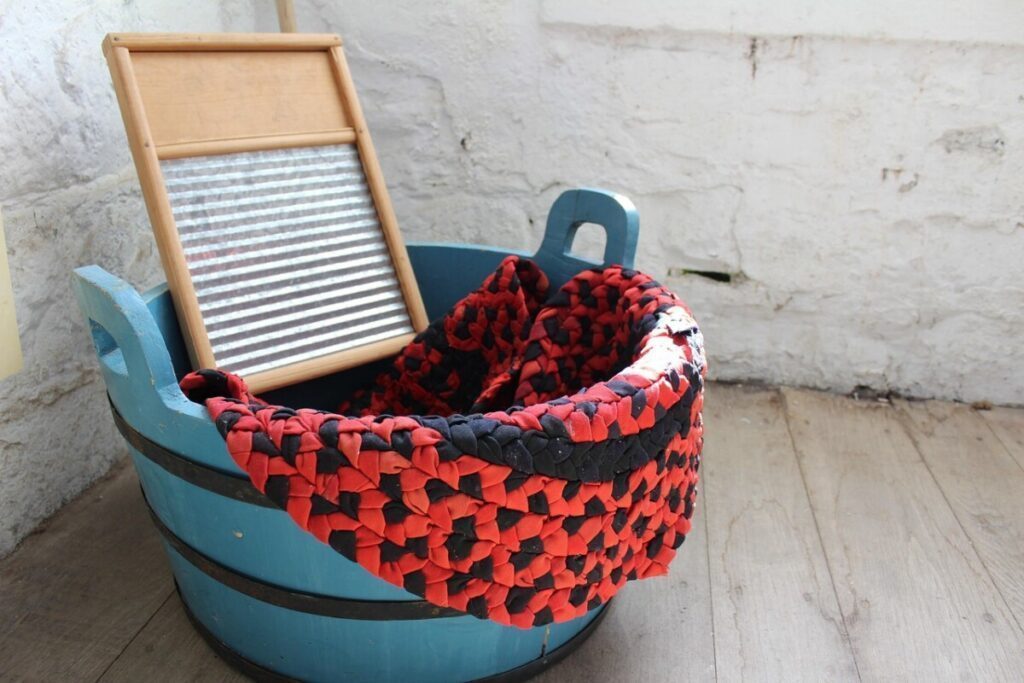
Always follow the wrapper first. The following uses reflect what the maker’s pages and general laundry practice describe.
Hand Washing Clothes
Soap bars suit small hand-wash jobs because you control how much soap touches the fabric. Our guide to hand washing clothes with detergent gives general technique you can adapt to a bar.
- Fill a basin with water at the temperature the care label allows.
- Wet the garment and rub the bar over soiled areas such as collars and cuffs.
- Work the soap into the fabric by rubbing it against itself, then let it rest for a few minutes.
- Rinse until the water runs clear and no slippery film remains.
- Squeeze out water without wringing and dry as the label directs.
Pre-Treating Stains
The maker recommends rubbing Zote on collars, cuffs and difficult stains before the clothes go into the washing machine. Wet the stain, rub the bar on it until a thin layer of soap sits on top, let it sit for a few minutes, and wash as usual. For cooking oil, grease and collar rings this approach is reasonable. For protein stains such as blood or egg, start with cold water and avoid heat.
Our article on how to use laundry soap bars has more pre-treating detail.
Grating the Bar
Grating makes the bar dissolve faster and lets you measure small amounts.
- Use a grater you keep only for laundry.
- Grate the amount you need onto a plate and keep the rest of the bar dry.
- Dissolve shavings in hot water first, in a jug, until they melt. Adding them to the machine dry can leave white flecks on clothes.
- Add the melted soap to the drum or the dispenser, together with your normal detergent if you use one.
No dose appears on most wrappers for grating. Start small, such as a tablespoon or two of shavings for a normal load. That is a cautious starting point, not a manufacturer instruction, so reduce it if you see residue.
Other Uses You May See
Sellers and fans also suggest it for dishwashing, cleaning makeup brushes and sponges, and homemade laundry powder. The maker’s safety data sheet for the pink bar gives only one recommended use, washing clothes, so treat the rest with caution and check the wrapper. The maker’s FAQ acknowledges that many people in Mexico bathe with Zote and says it is made from the same bases as toilet soap, but it also notes the bar contains laundry additives. We suggest keeping it for laundry.
Cautions: HE Machines and Hard Water
This is where bars and modern washers sometimes disagree.
High-Efficiency Machines
High-efficiency washers use little water and are designed for low-sudsing detergent. The maker’s pages we read say nothing about high-efficiency washers. Their only machine instruction is to rub Zote on soiled areas before the clothes go into the washer. If you still want to add grated soap to the drum, check your washer manual, use very small amounts, and watch for suds, a greasy film or stiff laundry.
Hard Water
True soap and hard water do not get along. Dr. Bronner’s explains on its hard water page that calcium and magnesium bind with soap molecules and form a whitish, water-insoluble residue called soap scum. On clothes this can show up as gray, dingy whites, stiff towels or a film on dark fabric. Zote is a tallow and coconut soap, so the same chemistry applies.
If you have hard water, pre-treat and hand wash with the bar but rely on a detergent made with water-softening builders for the machine. Dr. Bronner’s suggests half a cup of vinegar in the rinse cycle of an HE washer for stiff laundry, and warns against mixing vinegar directly with soap, because acid breaks down the soap. Add vinegar only in the rinse, never together with the soap, and never mix it with bleach.
Skin and Fragrance
The safety data sheet for the pink bar advises avoiding prolonged skin contact and ingestion, and recommends rinsing eyes with running water for at least 15 minutes if they are splashed. The maker says many people use Zote to wash the clothes of people with sensitive skin and baby clothes, but the bars are scented, which can bother people with fragrance sensitivities. Our allergy guide helps with choosing alternatives.
Fabrics
The soap is alkaline. The pink bar sheet gives a pH of 10.5. That is fine for cotton and linen, but wool, silk and anything labeled dry clean only should stay away from a bar unless the label allows hand washing with soap.
Storing and Handling the Bar
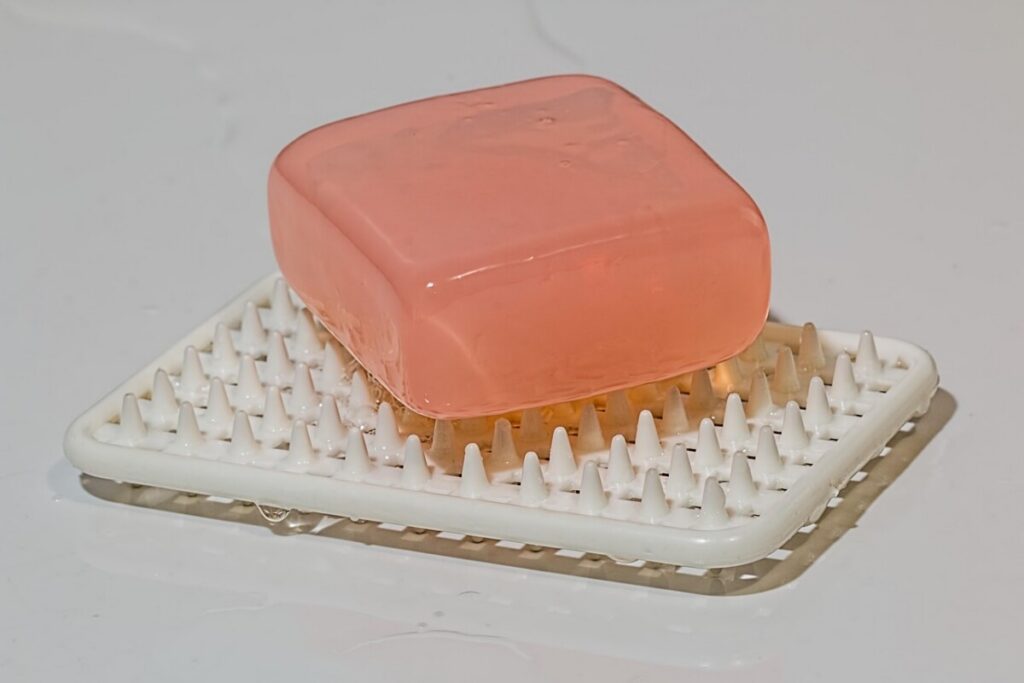
A large bar lasts only if you keep it dry. Moisture softens soap and makes it mushy and wasteful.
- Keep the bar on a draining dish or a rack, not in a puddle on the laundry-room shelf.
- Leave it in its wrapper between uses, or cut the bar into smaller pieces so you can unwrap only one at a time.
- Store it wrapped in a cool, dry place protected from the weather, as the maker’s technical sheet advises.
- Keep it where children and pets cannot reach it. It looks like ordinary soap, but it is not food.
- Wash your hands after long scrubbing sessions, or wear gloves if your skin is sensitive.
Frequently Asked Questions
Is Zote Soap Safe for Clothes?
For ordinary washable cotton and synthetics, yes. It is sold for laundry. Test on a hidden spot, avoid delicate protein fibers, and rinse well.
Can I Use Zote in a Washing Machine?
The maker’s machine instruction is to rub Zote on collars, cuffs and stains before the clothes go into the washer. If you add grated soap to the drum, that is your own experiment: dissolve small amounts of shavings first, avoid overdoing it in HE machines, and stop if you see residue. Check your machine manual.
What Is the Difference Between Pink and White Zote?
Both are tallow and coconut oil soaps. According to the maker, the composition is the same and the only difference is the dye in the pink bar, so the choice is a matter of personal taste.
Can I Use Zote as Body Soap?
It is sold as a laundry soap, and the safety sheet for the pink bar gives washing clothes as its recommended use. The maker’s FAQ acknowledges that many people in Mexico bathe with it, but it also says the bar contains additives meant for clothes. We suggest keeping it for laundry.
Bottom Line
Zote is a large, simple laundry soap made by Fábrica de Jabón La Corona. It earns its keep for hand washing and spot pre-treating, but it is a true soap, so hard water and HE washers call for restraint. Start small, rinse well, and keep it for laundry. If you are weighing it against the other famous laundry bar, our Fels-Naptha vs Zote comparison walks through the differences.
More on Laundry Soap Bars
- Fels-Naptha Laundry Soap Bar: What It Is, What It Does and Whether It Is Safe
- Fels-Naptha vs Zote: Which Laundry Bar Should You Use?
- Best Bar Soap for Stains: Which Laundry Bars Work on Which Stains
- Fels-Naptha Alternatives: What to Use Instead
- Can You Use Regular Bar Soap to Wash Clothes?
- Laundry Detergent Bars vs Liquid Detergent: Is a Bar Enough?
- 10 Best Laundry Soap Bars to Try
- How to Use Laundry Soap Bars


