
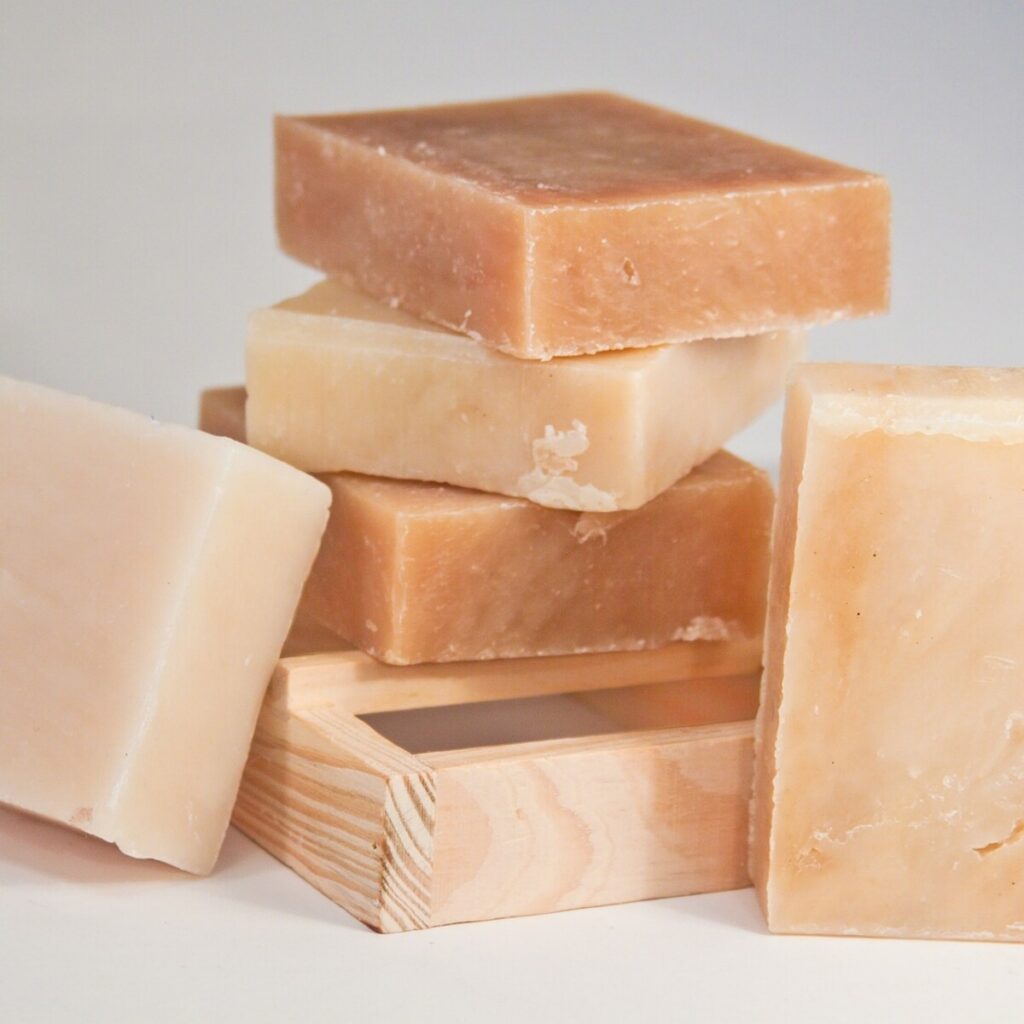
Walk down the laundry aisle and you will see jugs, boxes and pods, but tucked on a lower shelf there is usually a plain wrapped block: the laundry detergent bar. It looks old-fashioned, and for many households it is still the main way to wash clothes. The real question is whether a bar can replace the liquid you already buy.
A laundry detergent bar is a solid cleaning block you rub on wet fabric, mainly for hand washing and stain pre-treatment. Some bars are true soap and others are made from synthetic detergents. A bar is enough for hand washing and spot cleaning, but liquid detergent is easier, dissolves better in cold water, and suits washing machines.
Below you will see what is actually inside a detergent bar, how the two kinds differ, where bars make sense, and how they compare with liquid on cleaning, cost, packaging and ease of use.
What Is a Laundry Detergent Bar?
A detergent bar is a pressed or molded solid made to clean fabric. You wet the garment, rub the bar on soiled areas, scrub, and rinse. The word “bar” covers two quite different products, and the label does not always make it obvious which one you are holding.
True Soap Bars
A true soap bar is made by reacting fats or oils with an alkali. Ingredient lists often show soap salts such as sodium tallowate, sodium cocoate or sodium palmate, which are soap salts of fatty acids. These bars lather well in soft water and are inexpensive to make. In hard water they react with minerals to form scum, as this soap versus detergent comparison and our guide to detergents and soap both explain. A soap maker’s own soap versus detergent page makes the same distinction.
Syndet Bars
“Syndet” is short for synthetic detergent. A syndet bar is built mainly from synthetic surfactants rather than soap, then pressed into a solid. As this soap versus syndet explainer describes, the main difference is that syndets are not made by saponification. In laundry, the practical advantage is that synthetic surfactants are generally less affected by hard water, which is one reason detergents took over from soap in washing machines. The anionic surfactants used in many of them are explained in a separate article.
How to Tell Which One You Have
- Look for soap salts such as sodium tallowate, sodium palmate or sodium cocoate near the top of the ingredient list. That points to a soap bar.
- Look for named surfactants such as sodium lauryl sulfate or alkylbenzene sulfonate. That points to a detergent or combination bar.
- When the label is vague, check the maker’s website or safety data sheet rather than guessing.
Where Laundry Detergent Bars Are Common
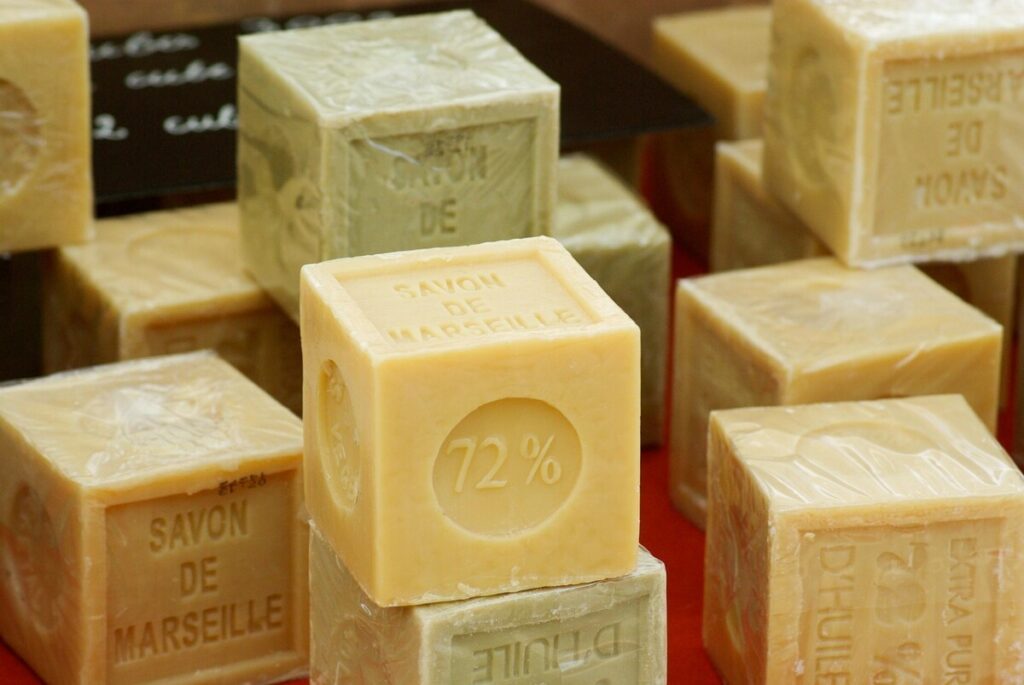
Bars remain popular wherever hand washing is part of normal life: in households without a washing machine, in places where buying small and cheap units matters, and for travelers and campers. In the US you will mostly meet them as stain sticks and heavy-duty bars sold for collars, work clothes and outdoor gear rather than as a replacement for the jug.
Our roundup of the best laundry soap bars lists options for different uses, and the guide on how to use laundry soap bars walks through the technique.
Cleaning Performance: Bar vs Liquid
Where a Bar Does Well
A bar delivers a concentrated amount of cleaner exactly where you rub it. That makes it effective on collars, cuffs, knees, mud and greasy marks. Because you apply friction at the same time, the mechanical action helps lift soil.
Where Liquid Does Better
Liquid detergents are formulated for a whole machine load. They usually combine several surfactants with ingredients that target different kinds of soil and help keep dirt from settling back on fabric. They are poured as a liquid, so they mix into the wash water at any temperature without grating or dissolving. For a fuller look at how they work, see how laundry detergents work and whether liquid is better than powder.
Hard Water and Rinsing
If you have hard water, a soap-based bar is more likely to leave a film, so rinse longer or choose a syndet bar. Liquid detergent is designed for the common range of water conditions, though very hard water can still reduce performance.
Cost and Packaging
Bars are usually the cheaper way to buy cleaning power per use when you hand wash or spot treat, because one block lasts through many small jobs. They often come in paper or thin film, which can mean less plastic than a jug. Liquid is heavier to ship because much of its weight is water, and the bottle is typically plastic, although many bottles are recyclable and concentrates use less packaging per load.
Cost per load depends heavily on how you use each product. A bar used to wash a few garments by hand can go a long way. A bar scrubbed on every item of a big family load costs more time than money, and most people end up using liquid for the wash itself. Packaging details such as recycled content or refill options vary by brand, so check each product’s own label.
Machine Washing vs Hand Washing
Hand Washing
This is where bars shine. Wet the fabric, rub the bar on the soiled area, scrub in warm water, and rinse until the suds are gone. Our tips to hand wash clothes with detergent apply to bars too.
Machine Washing
Using a bar to pre-treat a stain before a machine cycle works well. Shaving a bar into the drum is a different matter: shavings dissolve unevenly, particularly in cold water, and can leave residue in high-efficiency machines. Check your washer manual and use a detergent labeled for your machine type for the wash itself.
Delicates
Follow the care label. Strong bars can be harsh on silk and wool. For delicate fabrics, a gentle liquid is the safer pick; see how to wash lingerie and delicates in liquid detergent.
Laundry Detergent Bar vs Liquid: Side-by-Side
| Factor | Detergent bar | Liquid detergent |
|---|---|---|
| Best use | Hand washing, stain pre-treatment | Full machine loads and general washing |
| Form | Solid block, soap or syndet | Pourable, pre-dissolved |
| Hard water | Soap bars may leave scum; syndet bars cope better | Formulated for typical water conditions |
| Cold water | Dissolves slowly | Mixes in readily |
| Dosing | By eye; easy to over- or under-use | Measured with cap, ball or dispenser |
| Cost per use | Low for small jobs | Low per full load when dosed correctly |
| Packaging | Usually paper or thin film | Usually a plastic bottle; refills and concentrates exist |
| Storage | Keep dry and away from moisture | Keep capped and away from freezing; see storage tips |
| HE machine fit | Poor if shaved into the drum | Good when labeled HE |
Getting the Best Results from a Detergent Bar
A bar is simple, but a few habits separate a clean shirt from a streaky one. Most problems come from using too much product or from skipping the rinse.
- Wet the stained area first. A damp bar lathers evenly and does not drag on the fabric.
- Rub the bar on the stain in a few short strokes, then stop. Heavy layers of bar are hard to rinse.
- Let it sit for 5 to 10 minutes on stubborn marks, then scrub the fabric against itself or with a soft brush.
- Rinse under running water until the water runs clear, or move the item straight into the machine for its normal cycle.
- Check the stain before drying. Heat can set what remains, so repeat if a mark is still visible.
Common Mistakes
- Leaving the bar sitting in water, which makes it soft and wasteful.
- Using a scented or colored bar on pale fabrics without testing a hidden spot.
- Assuming every bar is safe for every fabric. Wool, silk and some performance fabrics need gentler care, so follow the label.
- Mixing a bar with bleach or other cleaners. Never combine cleaning products; use them separately and rinse in between.
Whatever format you choose, keep all laundry products out of reach of children and pets. Bars can look like ordinary soap, so store them with your other cleaning supplies rather than in a bathroom basket. If you are weighing formats for the whole household, our guide to laundry detergent types compares the full range.
Who Should Choose a Bar, and Who Should Stay with Liquid
A Bar Suits You If
- You hand wash small amounts of clothing.
- You want a spot treater for collars, grass and mud before a machine wash.
- You travel and want something that cannot leak.
Liquid Suits You If
- You wash full loads in a machine, especially an HE one.
- You wash mostly in cold water.
- You want predictable dosing and a standard rinse.
Many households do both: liquid in the machine and a bar by the sink for stains. That combination covers most situations at low cost.
Frequently Asked Questions
Is a Laundry Detergent Bar the Same as Laundry Soap?
Not always. Some laundry bars are true soap, and others are synthetic detergents pressed into a bar. Read the ingredient list or ask the maker if it is unclear.
Can I Use a Detergent Bar on Baby Clothes?
Pick an unscented bar, rinse well, and check the label. Fragrance and strong cleaners can irritate sensitive skin, and our detergent guide for allergy sufferers has more.
Does a Detergent Bar Work in Cold Water?
It can clean, but bars dissolve more slowly in cold water, so you need more rubbing and rinsing. Warm water improves results.
How Do I Store a Bar?
Keep it on a draining dish or in a dry container so it does not turn mushy.
Bottom Line
A bar is enough for hand washing and for treating stains, and it is hard to beat for cost and portability. For regular machine loads, liquid is more convenient and more consistent. Use each where it is strongest.
More on Laundry Soap Bars
- Zote Soap: What It Is and How to Use It for Laundry
- Fels-Naptha Laundry Soap Bar: What It Is, What It Does and Whether It Is Safe
- Fels-Naptha vs Zote: Which Laundry Bar Should You Use?
- Best Bar Soap for Stains: Which Laundry Bars Work on Which Stains
- Fels-Naptha Alternatives: What to Use Instead
- Can You Use Regular Bar Soap to Wash Clothes?
- 10 Best Laundry Soap Bars to Try
- How to Use Laundry Soap Bars


