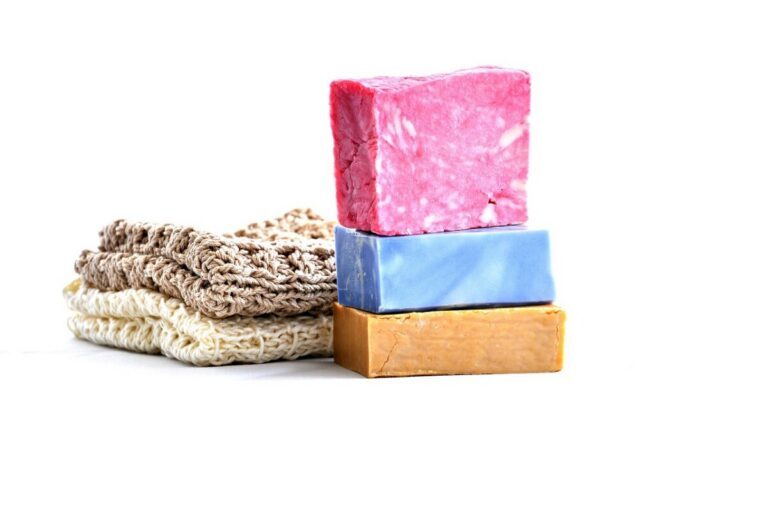


Laundry soap bars were around long before modern detergents, and many people still reach for them. A bar is a handy stain pretreater, it can be used for hand-washing, and it is a classic base for homemade laundry detergent. Bars are also often a good fit for people who prefer simpler ingredient lists.
Soap and detergent are different products, and each has its place. Modern detergents usually handle everyday loads and hard water better, while a soap bar shines as a targeted stain treatment. See our guide on the difference between detergents and soap for details.
Laundry soap bars have many uses, and the right one depends on what you wash. This guide covers ten popular options, with the pros and cons of each, so you can pick the one that fits your laundry.
10 Best Laundry Soap Bars
The best laundry soap bar depends on the job. Zote and Fels-Naptha are well-regarded for pretreating stains and for grating into homemade detergent. Aleva Naturals and Ethique suit delicates and hand-washing, while Tide and Jamaican Blue Power are solid all-rounders. Below are ten popular bars and what to know about each.
Not all laundry soap bars are alike. Brands use different ingredients, and that gives each bar its own strengths. Some are great on whites, some are tougher on ground-in dirt, and others are made with plant-based ingredients and no added dyes.
With so many bars on the market, the choice can feel confusing. A good bar cleans well, rinses out of fabric, and uses ingredients you are comfortable with. The list below rounds up well-regarded options and the reasons people choose them. We have not lab-tested these products, so the notes come from ingredient information, product descriptions and common user feedback.
#1. Zote White Laundry Bar Soap

Zote is a well-known brand with a loyal following. This white bar has a citronella scent that many people like for sweaty sports clothes and other smelly laundry.
The main ingredients include sodium tallowate, sodium cocoate, fragrance and optical brighteners. Because it contains tallow, it is not a vegan option. The fragrance can bother sensitive skin, so rinse well and test it first if anyone in your home has skin sensitivities.
A single bar weighs about 14 ounces. You can also shred it to make homemade laundry detergent with your favorite ingredients.
Pros
- Well regarded for pretreating stains.
- Its scent helps freshen smelly clothes.
- A popular base for homemade laundry detergent.
- Versatile enough to clean other household items.
- Hard and slow to dissolve, so a bar lasts a long time.
Cons
- It costs more than some basic bars.
- It contains animal-derived tallow and fragrance.
#2. The Laundress Wash & Stain Bar

This bar is a favorite for pretreating oily stains on clothes and other fabric items, and it works on more than laundry.
The Laundress describes the bar as plant-based, with no fillers or dyes, and it is made with essential oils for scent. That makes it a popular eco-minded option. Scents vary by version, so check the listing for current options.
Many people reach for it on makeup, wine, ketchup and underarm stains. As with any stain treatment, rub it in gently, let it sit, and check that the stain is gone before you put the item in the dryer.
Pros
- Often used on a wide range of stains.
- Plant-based formula with no added dyes or fillers.
- Pleasant essential-oil scent.
Cons
- It is smaller than ordinary soap bars.
- The scent is strong, which may bother some people.
#3. Fels-Naptha Laundry Soap Bar

Fels-Naptha is a classic stain-removing bar, popular for white shirts, collars and cuffs. It is a basic soap without fancy extras, which is part of its appeal, and it is also a favorite for homemade laundry detergent.
Many people use it on mud, chocolate and wine stains. Rub the damp bar into the stain, let it sit for a while, then wash as usual.
It has a strong, distinctive scent, so skip it if you prefer fragrance-free laundry products.
Pros
- A classic bar for pretreating stains.
- Its scent can add a fresh note to laundry.
- Works well grated into homemade detergent.
Cons
- The scent can be overwhelming if you dislike fragrance.
- It is a bit pricey.
#4. Aleva Naturals Stain and Laundry Bar

Aleva Naturals makes a plant-based bar marketed as gentle enough for baby clothes. It is designed for pretreating stains and washing delicates by hand.
According to the brand, it is made with natural, vegan ingredients and has no chlorine or harsh surfactants. If your baby has very sensitive skin, rinse baby clothes thoroughly and talk to your pediatrician if irritation shows up.
Pros
- Plant-based ingredients with no chlorine.
- Works well for hand-washing delicates.
- Reasonably priced.
Cons
- It may struggle with heavy, set-in stains.
#5. Ethique Eco-Friendly Laundry Bar

Ethique is a plastic-free, eco-minded bar that works well for treating stains by hand. The brand highlights biodegradable ingredients and essential oils, and the plastic-free packaging is a plus.
It is made for hand-washing and spot treatment rather than for your washing machine, so it suits delicates and travel. It is an appealing choice if sustainability matters to you.
Pros
- Easy to pack for travel.
- A good match for delicates and silks when hand-washing.
- Light scent that many people like.
Cons
- The bar wears down quickly.
#6. Tide White Detergent Bar Soap

Tide bar soap is a familiar brand in a bar format. Phosphate-free formulas are better for waterways, but that does not guarantee the bar is gentle on skin, so rinse well.
It works well as a pretreatment for dirty areas. Rub it onto collars and cuffs, let it sit, then launder as usual.
Pros
- Phosphate-free formula.
- Good for scrubbing collars, cuffs and other dirty spots.
- Leaves clothes smelling fresh.
- Sold in several sizes.
Cons
- The bar breaks apart easily.
#7. Jamaican Blue Power Laundry Soap

This bar can be used for hand-washing and, according to the listing, in the washing machine. The ingredients in Jamaican Blue Power laundry soap are described as natural and include vegetable oil, so it is a popular pick for people who want a milder bar.
It also has a pleasant scent that many users enjoy, and it is commonly used on mud, wine and other everyday stains.
Pros
- Pleasant fragrance.
- Used on a wide range of everyday stains.
- Works for hand-washing and the washing machine.
- Made with natural ingredients.
Cons
- It does not make much foam, which can surprise people used to sudsy products.
#8. Aist Laundry Soap Bar

Aist soap includes glycerin, which helps keep hands from drying out. It is made with oils such as palm, sunflower and coconut.
It is a multipurpose household bar, so you can use it for laundry and for general cleaning around the house. Rub it on stains, let it work, then wash.
If you have sensitive skin, the glycerin makes it a gentler choice for hand-washing, though you should still rinse your clothes thoroughly. Note that palm oil raises sustainability concerns for some shoppers.
Pros
- Versatile for laundry and other cleaning.
- Glycerin helps keep hands from drying.
- Made with plant oils.
- Lasts a long time.
Cons
- The packaging and product information are mostly in another language on some listings, so check the details before you buy.
#9. Bolazul Laundry Soap Bars

Bolazul bars are small, tablet-shaped soaps that are easy to hold. For hand-washing, you simply rub the bar on the wet fabric. Some people also add it to the washing machine.
Users like how convenient the tablets are and how clean clothes smell afterward. Check the care label first, and do not count on it to disinfect clothes. For that, see our guide on how to kill germs in laundry.
Pros
- Clothes come out clean and fresh.
- Lasts a good while.
- Easy to use.
- Considered gentle on clothes.
Cons
- Product details are limited, so it is worth reading the listing before you buy.
#10. Zote Pink Laundry Bar Soap

The pink version of Zote is popular for heavily soiled laundry, such as work clothes and kids’ play clothes. Soap bars in general can leave residue in hard water, so rinse well if your water is hard.
It has a pleasant scent and often comes in a multipack. Like the white bar, it is made with sodium tallowate and sodium cocoate.
Pros
- Gentler than some harsh stain removers.
- Good for heavily soiled laundry.
- Pleasant, light scent.
- Often sold in value packs.
Cons
- It costs a bit more than some basic bars.
- It contains tallow, so it is not vegan.
How to Choose a Laundry Soap Bar
Start with what you will use the bar for. A few quick questions make the decision easier:
- Stain pretreatment: look for a firm bar that you can rub directly into the fabric, such as Zote or Fels-Naptha.
- Delicates and hand-washing: choose a milder, plant-based bar and always check the care label first.
- Homemade detergent: pick an inexpensive bar that grates easily and does not have a heavy perfume.
- Sensitive skin: choose a fragrance-free or plant-based bar, rinse your laundry well, and stop using any product that irritates your skin.
- Ethical and eco concerns: check whether the bar contains tallow or palm oil, and look at the packaging.
Also consider your water. Soap can leave a film on fabric in hard water, so a bar works best as a pretreatment followed by a normal detergent wash. Learn how laundry detergent works to see why.
Laundry Soap Bars FAQs
Can you make homemade detergent with a laundry soap bar?
Yes. Grate a bar, melt it, and mix it with other ingredients such as washing soda and borax. Homemade detergent works differently from commercial products and may not suit every washing machine, so check your machine’s manual first.
Are soap bars good at removing stains?
Yes, they are best used as a pretreatment. Wet the stain, rub in the bar, let it sit, then wash as usual. Reviews and ingredient lists can help you choose a bar. For gentle hand-washing, see our tips for washing clothes by hand and our guide to washing delicates.
Can I use a soap bar in the washing machine?
Some bars can be used in the machine, but check the product directions and your machine manual first. High-efficiency machines use little water, so too much soap can leave residue. Most people use a bar for pretreating and wash with detergent.
Read more: How to Use Laundry Soap Bars
Conclusion
Laundry soap bars are handy for stain pretreatment, hand-washing delicates and making custom homemade detergent. They come in plant-based, fragrance-free and tallow-based versions, so there is a bar for most preferences.
To get the most from any bar, keep it dry between uses on a draining soap dish so it does not turn mushy. Test it on a hidden seam of colored fabric before treating a visible stain, and never use a soap bar on items whose care label says to avoid it, such as some wool, silk or technical fabrics.
Every bar above has trade-offs. Decide which features matter most to you, such as scent, price or ingredients, and choose accordingly. Always follow the care label on your clothes and rinse thoroughly.
More on Laundry Soap Bars
- Zote Soap: What It Is and How to Use It for Laundry
- Fels-Naptha Laundry Soap Bar: What It Is, What It Does and Whether It Is Safe
- Fels-Naptha vs Zote: Which Laundry Bar Should You Use?
- Best Bar Soap for Stains: Which Laundry Bars Work on Which Stains
- Fels-Naptha Alternatives: What to Use Instead
- Can You Use Regular Bar Soap to Wash Clothes?
- Laundry Detergent Bars vs Liquid Detergent: Is a Bar Enough?
- How to Use Laundry Soap Bars