
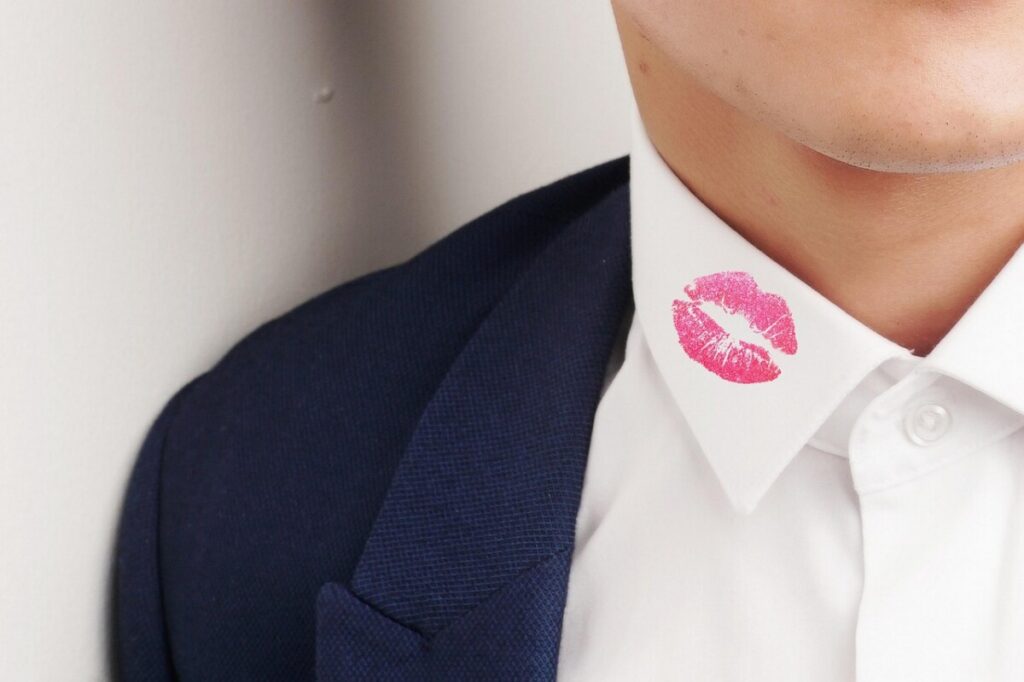
You lean in for a hug, or pull a sweater over your head, and later spot a smear of foundation on the collar, a waxy pink streak on a sleeve or two gray dots of mascara on a cuff. Makeup stains look small, but they are a mix of oil, wax and pigment, and that mix is what makes them stubborn.
To get makeup out of clothes, scrape or brush off the excess without rubbing, then work a little liquid dish soap or liquid laundry detergent into oil-based stains (foundation, lipstick, cream products), or shake and brush powder away before treating. Rinse from the back with cool water, wash in the warmest water the care label allows, and check the stain before drying.
The details change with the product, how long it has sat and what the fabric is. Below you will find how oil-based and powder makeup differ, fresh versus dried stain steps, routines for whites, colors and delicates, the mistakes that set a stain for good, and a short section for carpet and upholstery. If you are new to how detergent lifts oily soil, our guide to how laundry detergent works explains the basics.
Why Makeup Stains Behave Differently
Most makeup has two parts: a carrier and a colorant. The carrier is oil, wax or silicone, which clings to fibers and repels plain water. The colorant is pigment, which is held in place by that carrier. Remove the carrier and the pigment usually follows.
That is why the first job is to break up the grease, and why simply soaking a foundation stain in water often does little. A surfactant (the cleaning agent in dish soap and laundry detergent) is what loosens oily residue, so it should touch the stain before water does.
Oil-Based Makeup
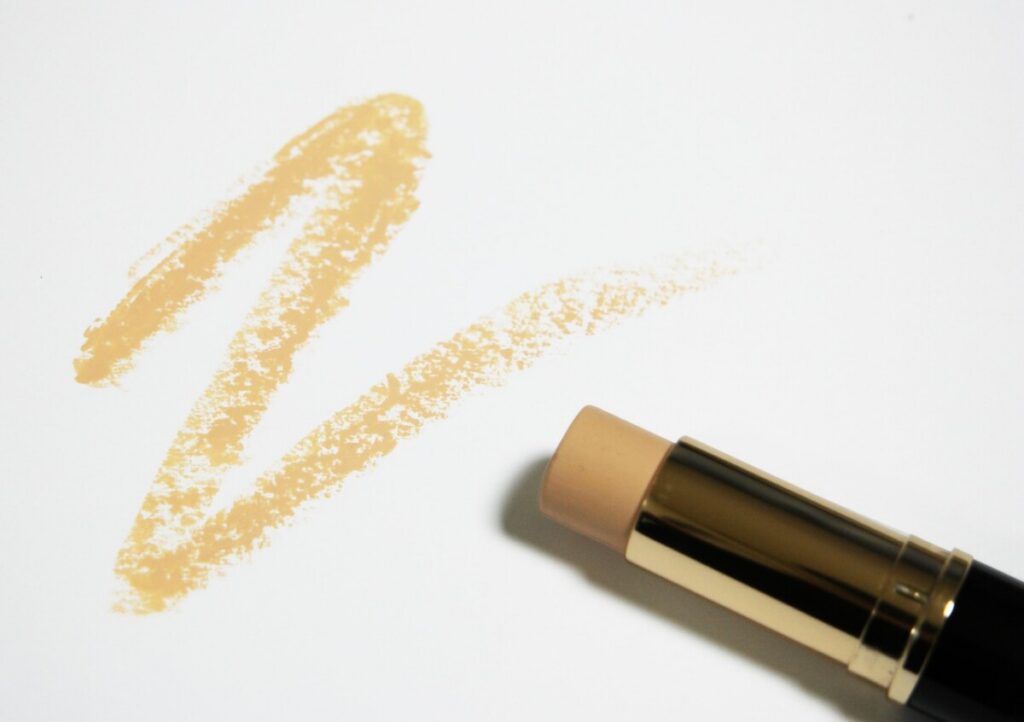
- Liquid and cream foundation, concealer, BB cream: oil or silicone based, often with pigment that shows on light fabric.
- Lipstick and lip gloss: wax, oil and strong dyes; usually the hardest to remove, and the American Cleaning Institute notes it may need a second round of treatment.
- Cream blush, cream eyeshadow and tinted moisturizer: treat like foundation.
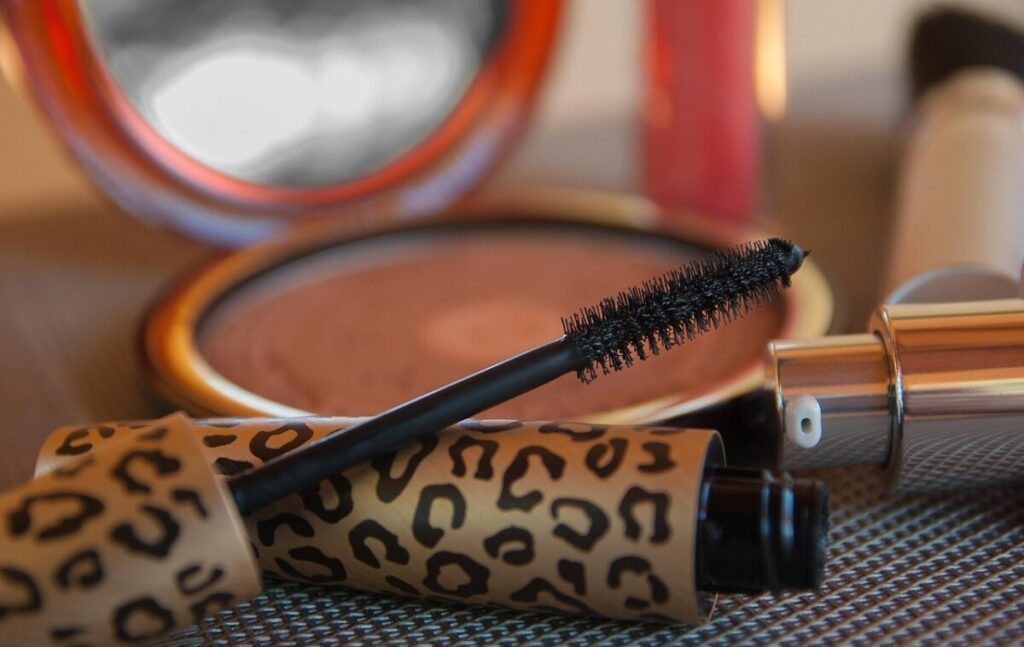
- Waterproof mascara and eyeliner: formulated to resist water, so they need a grease-cutting step first.
Powder Makeup
- Pressed or loose powder foundation, blush, bronzer and eyeshadow: mostly dry pigment and a binder. The main risk is pressing the powder into the weave by rubbing or wetting it too early.
- Setting powder and highlighter: often shows as a sheen or glitter rather than a color; brush and lint-roll it off first.
Fresh Stain vs. Dried Stain
Fresh Stains
Act within minutes if you can. Lift off as much as possible before any liquid goes on: scrape cream or lipstick with the edge of a spoon or a credit card, blot liquid foundation with a clean paper towel, and shake or gently brush powder away. Blot, never rub, because rubbing drives the product deeper and spreads the stain wider.
Then apply a few drops of liquid dish soap or liquid laundry detergent directly to the oil-based stain and work it in gently with your fingertip or a soft toothbrush. Work from the outside edge toward the center so the stain does not grow. Let it sit for about 10 minutes, rinse with cool water and launder.
Dried and Set-In Stains
Dried makeup takes patience rather than force. Scrape off any crusty surface material, then rewet the area with the detergent or a prewash stain remover and let it work longer. The OxiClean makeup guide, for example, suggests soaking a stubborn stain in an oxygen-based stain remover for several hours; follow the directions on whichever product you use.
Wash, then look at the spot while the garment is still wet or just damp. If any color remains, repeat the treatment. Heat from a dryer sets what is left, so do not put it in the dryer until the stain is gone. You can read more about longer treatments in our guide to soaking clothes in detergent.
Quick Comparison by Makeup Type
| Makeup | First Step | Pre-Treatment | Watch Out For |
|---|---|---|---|
| Liquid foundation | Blot, do not rub | Dish soap or liquid detergent, soft brush | Water alone will not lift it |
| Powder foundation or blush | Shake and brush off dry | Dab of liquid detergent after the powder is gone | Wetting before brushing grinds it in |
| Lipstick | Scrape wax with a spoon edge | Detergent or prewash stain remover, second round if needed | Dye can linger after the grease is gone |
| Mascara | Blot gently | Oil-free makeup remover on a cotton pad, then detergent | Waterproof formulas cling; smearing spreads black |
| Eyeshadow or glitter | Brush and lint-roll | Detergent on any oily patch | Glitter can transfer to other laundry |
Step by Step by Fabric Type
White and Light Cotton or Polyester
- Remove excess product as described above, blotting only.
- Place a clean paper towel under the stain, face down on the towel, so the stain can be pushed out the back.
- Apply liquid detergent or a prewash stain remover and work it in gently. Leave it for 10 to 15 minutes.
- Rinse with cool water from the back of the fabric.
- Wash in the warmest water the care label allows, with your usual detergent. Many makers say an oxygen-based booster can help with pigment on whites.
- Air-dry and check the spot before any heat is applied. Repeat if a shadow remains.
Chlorine bleach is not the first thing to reach for, even on whites. It can react with some dyes in makeup and with fabric finishes, and it is unsafe on some fibers. Our explainer on detergent and bleach covers when each belongs in the wash.
Colored and Dark Garments
- Test your treatment on a hidden seam or hem first, such as the inside of a hem, and wait a few minutes to see if any dye lifts.
- Blot off excess, then apply a small amount of liquid detergent. Avoid undiluted bleach products entirely.
- Work gently, rinse with cool water and wash according to the care label.
- If the stain lingers, use a color-safe oxygen stain remover and keep standing time short, as OxiClean advises that color-prone fabrics should not be left with its spray for long.
- Air-dry and check before heat.
Dark clothes show powder and white residue easily, so rinse well. If you are working on black garments, our guide to caring for black clothes with detergent has more on keeping them looking dark.
Delicates (Silk, Wool, Lace, Rayon)
Check the care label first. If it says dry clean only, take the garment to a cleaner soon and point out the stain, since home treatment can leave rings or damage the fibers. Manufacturers of oxygen stain removers generally list wool, silk and dry-clean-only items as fabrics to avoid, so skip those products on delicates.
- Blot off excess with a clean white cloth.
- Mix a drop of mild detergent made for delicates in a cup of cool water and dab the stain with a cotton pad, working from the edge inward.
- Rinse by dabbing with a cloth dampened in plain cool water.
- Hand wash gently in cool water and lay flat to dry away from heat.
- If the mark remains, stop and consult a professional cleaner rather than scrubbing.
For washing technique, see our guide to washing lingerie and delicates in liquid detergent.
What Never to Do
- Do not rub. It pushes pigment and oil into the weave.
- Do not use hot water or a hot dryer first. Heat can set pigment and wax before you have removed them.
- Do not pour water over powder. Brush it off dry first.
- Do not mix cleaners. Never combine bleach with ammonia, vinegar or other products, because dangerous fumes can form.
- Do not skip the test. Try any stain treatment on a hidden area first and follow the garment care label.
- Do not use acetone or nail polish remover. It can dissolve some synthetic fibers such as acetate.
- Do not leave detergent or cleaners within reach of children or pets.
Carpet and Upholstery
Spilled foundation or lipstick on a couch or rug follows the same logic. Scrape or vacuum off the excess, then blot with a clean white cloth. Mix a few drops of clear dish soap into a cup of cool water, dab it on from the outside toward the center and blot again with a fresh cloth. Do not soak the padding underneath.
Rinse by blotting with a cloth dampened in plain water, then press with dry towels until the spot is nearly dry. Check the cleaning code on upholstery (often found on a tag under the cushion) before using any water-based cleaner. If it says solvent-only, use a dry-cleaning solvent made for upholstery or call a professional.
Preventing Makeup Stains
- Let foundation and lipstick set for a minute or two before pulling clothing over your head.
- Keep a clean cloth or folded tissue nearby while dressing, and drape a towel over your shoulders.
- Keep a stain stick or small bottle of liquid detergent at home so you can treat marks quickly.
For stubborn residue on clothes you wash by hand, our tips to hand wash clothes with detergent cover the technique. For general cosmetic stain guidance, the American Cleaning Institute lists prewash stain remover, liquid detergent or a paste of powder detergent as pre-treatment options, and its stain removal guide is a good reference. OxiClean also publishes a makeup stain guide that describes fresh and set-in treatments for its own products.
Frequently Asked Questions
Can I Use Dish Soap on Any Fabric?
Clear liquid dish soap works well on many washable cotton, polyester and blended fabrics because it cuts grease. Test it on a hidden spot first, and use detergent made for delicates, not dish soap, on silk and wool. Always follow the garment care label.
Why Does Lipstick Leave a Color Shadow After Washing?
The wax and oil come out first, but the dye in lipstick can remain in the fibers. Repeat the pre-treatment with detergent or a prewash stain remover and re-wash before using any heat. On whites an oxygen-based booster may help; on colors, test first.
Does Hairspray or Rubbing Alcohol Remove Makeup?
Some home guides suggest them, but they can damage dyes and fibers and may leave their own marks. Start with detergent and water. If you want to try alcohol on a washable fabric, test a hidden area first and use only a small amount.
What If the Stain Is Still There After Washing?
Do not dry the garment. Re-treat with detergent or a stain remover suited to the fabric, let it sit longer and wash again. If it is a dry-clean-only item or an expensive piece, a professional cleaner is the safer option.
Bottom Line
Treat the oil first, keep heat away until the stain is gone and blot instead of rubbing. Oil-based makeup needs a grease-cutting pre-treatment, powder needs brushing before wetting, and delicates need gentleness and a care label check. Do those few things and most makeup stains come out in one or two rounds.
Dealing with a different stain? Try the Stain Finder, or print our one-page stain cheat sheet.