

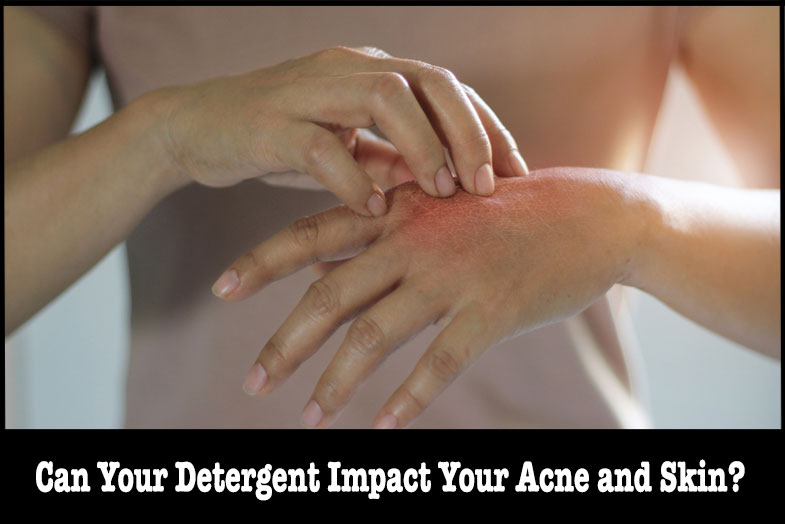
You wash your face, you use gentle skincare, and you still break out. Before you buy yet another cleanser, look at your laundry. The sheets, pillowcases, and towels that touch your skin every day are washed in detergent, and traces of that detergent can stay in the fabric. For some people, those traces are enough to cause irritation. Before you decide detergent is the problem, it helps to know how it can affect your laundry routine and your skin.
Laundry detergent does not directly cause true acne, but it can irritate your skin and cause breakouts that look like acne. Fragrances, dyes, preservatives, and harsh surfactants are the usual triggers, especially if your skin is sensitive. Switching to a fragrance-free, dye-free detergent and rinsing well often helps.
Detergent is not the most common cause of skin problems, and many breakouts have nothing to do with laundry. But if you have sensitive skin, or if a rash keeps returning where fabric touches your skin, your detergent is worth a closer look.
Why Blame Laundry Detergent?
Skincare and makeup products are the usual suspects when a breakout appears, and they are often responsible. Sometimes, though, the products on your face are not the problem and the real trigger is something that touches your skin all day or all night.
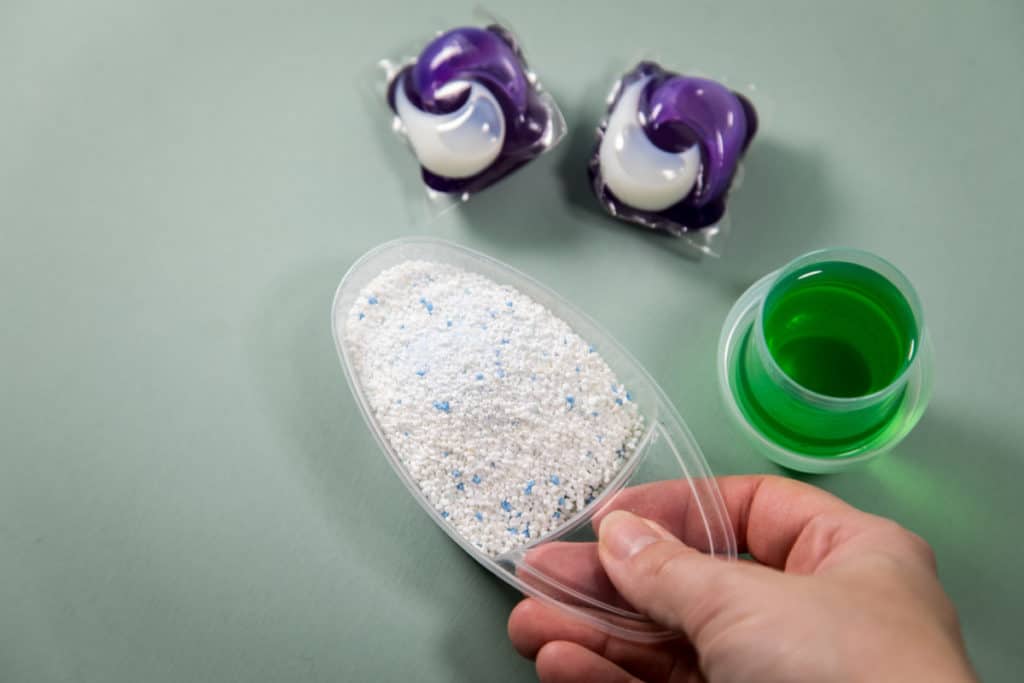
Laundry detergent is meant for clothes, so how can it affect your skin? Easily: you wear washed clothes and sleep on washed sheets. Your face rests on a pillowcase for hours every night, and your skin also touches towels, curtains, and upholstery that may have been washed with detergent.
Detergents contain many ingredients, and some of them are known skin irritants or allergens. Surfactants are one example. They lower the surface tension of water so it can lift dirt and oil from fabric. Harsh surfactants, or leftover detergent that was not rinsed out, can bother people with sensitive skin.
Read More: What Makes Laundry Detergent Eco-Friendly?
Common Causes of Skin Irritation
Surfactants
Surfactants are chemicals that lower the surface tension between two substances, such as water and oil. This lets dirt and oily stains break away from fabric and wash down the drain. They are the main cleaning ingredient in laundry detergent, and they are also used in shampoos, body washes, and other skincare products.
Surfactants are grouped as nonionic, anionic, cationic, and amphoteric. Most laundry detergents rely heavily on anionic surfactants. One common example is sodium lauryl sulfate (SLS), which is also a known skin irritant for some people. Irritation is the concern with SLS, not cancer. It is used in many personal care products at low concentrations, and it tends to cause problems when it stays in contact with skin at higher levels.
Sodium laureth sulfate (SLES) is a related anionic surfactant that is generally considered milder than SLS. That does not make it risk-free for everyone, but if your skin reacts to harsher detergents, a product built around milder surfactants may be a better fit. To learn more, see our overview of anionic surfactants.
Fragrances
Many of us have been taught to think that clean means fresh-smelling. In reality, a strong scent says nothing about how clean your clothes are.
The scent you notice after washing clothes comes from a blend of fragrance ingredients, both natural and synthetic. Fragrance is one of the most common causes of allergic skin reactions, and natural fragrances such as essential oils can irritate skin just as synthetic ones can.
Because shoppers often judge a detergent by its smell, many products now include scent boosters that leave a fragrance on clothes for weeks. That lingering scent stays against your skin all day, which can be a problem if you are sensitive. People with sensitive skin tend to react first, but anyone can develop a sensitivity over time.
Preservatives
Methylisothiazolinone (MI) is a preservative that has been used in laundry detergents and in personal care products. It prevents microbes from growing in the product, but it is also a well-documented skin allergen. Because of the number of allergic reactions linked to it, its use in many cosmetics has been restricted, and some detergent makers have stopped using it. If you suspect an allergy, check the ingredient list, and ask a dermatologist about patch testing.
Other ingredients in laundry products can also bother sensitive skin. Watch for these:
- Preservatives
- Dyes and colorants
- Fabric softeners
- Thickeners
- Emulsifiers
Contact Dermatitis
Besides acne-like breakouts, detergent can be a cause of contact dermatitis. This is a skin reaction that happens when your skin touches a substance such as a detergent, soap, or metal. It comes in two forms, irritant and allergic.
Reactions are often stronger on areas with thinner skin, such as the face, eyelids, and genitals, and in places where clothing rubs, such as the underarms and waistband.
Irritant contact dermatitis happens when a substance damages the outer layer of your skin. Repeated exposure can cause a red, dry, itchy rash.
Allergic contact dermatitis is different. It happens when your immune system reacts to a specific ingredient. The rash can show up a day or two after contact and may include bumps or blisters.
What to Do If You Think Detergent Is Causing a Rash
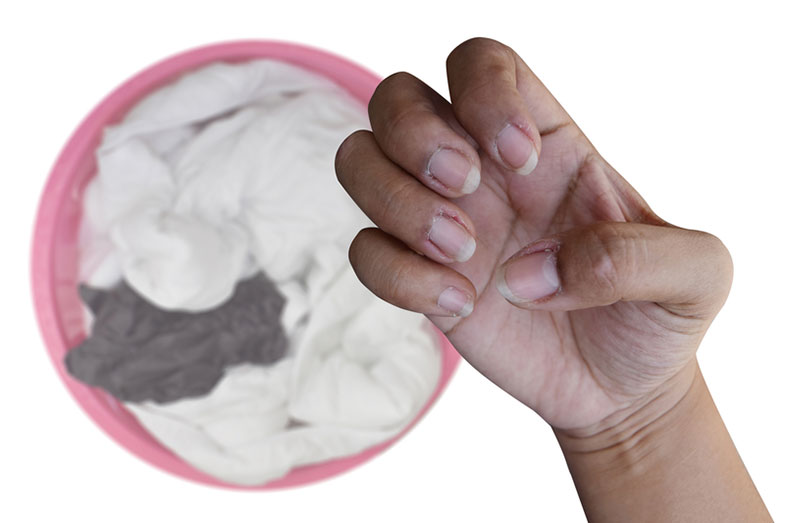
If you have very sensitive skin, a severe rash, or acne that keeps getting worse, see a doctor or dermatologist. They can tell you whether the cause is your detergent or something else. Mild irritation can often be handled at home.
First, stop using the product you suspect and switch to a gentle, fragrance-free detergent. Rewash the affected bedding and clothes with an extra rinse to remove leftover detergent. Many people see their skin calm down within a couple of weeks.
- Cool compress: A clean, cold, damp towel held on the area can ease redness and tenderness.
- Fragrance-free moisturizer: A plain moisturizer helps repair the skin barrier.
- Anti-itch cream or antihistamine: Over-the-counter options can help with itching. Ask a pharmacist or doctor which one suits you, and follow the label.
- Skip new products: Avoid adding new skincare or oils, including essential oils such as tea tree oil, while your skin is irritated, because they can cause reactions of their own.
Gentler Laundry Habits
Choose a Fragrance-Free, Dye-Free Detergent
Many people worry that unscented detergent means smelly clothes. It does not. Properly cleaned clothes smell neutral, and fragrance-free formulas are made to clean just as well. Look for products labeled free of dyes and perfumes and made for sensitive skin. Many mainstream and plant-based brands offer them.
Use the Right Amount and Rinse Well
More detergent does not mean cleaner laundry. Extra detergent is harder to rinse out and can leave residue on fabric. Measure carefully with the cap or a dosing device, and add an extra rinse cycle for bedding, underwear, and baby clothes if you have a sensitive-skin concern.
Be Careful With Homemade Detergent
Some people make their own laundry products so they can control the ingredients. That control is appealing, but homemade recipes are not automatically gentler or more effective. Ingredients such as washing soda are alkaline and can irritate skin if they are not rinsed out. If you try a recipe, rinse thoroughly and stop if your skin reacts.
Do not mix baking soda and vinegar and use the result as a detergent. The two neutralize each other, so you end up with little more than salty water. If you want to use vinegar as a rinse aid, add it by itself and never combine it with bleach or other cleaners.
Skip Fabric Softeners
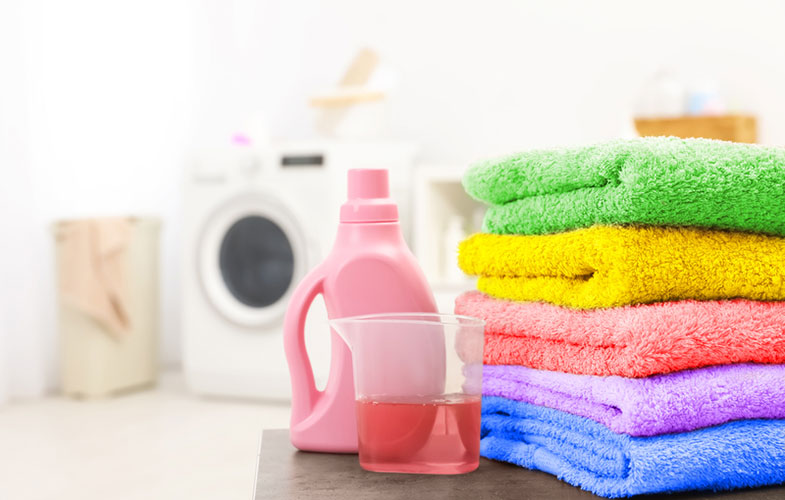
Fabric softeners often contain fragrances and other ingredients that can irritate skin or trigger symptoms in people with asthma or allergies. Since softener leaves a coating on fabric, it stays in contact with your skin all day.
Wool dryer balls are a simple alternative. They contain no chemicals or fragrance, and they help reduce static and soften clothes in the dryer.
Read More: Are Fabric Softeners Good for Asthma?
Conclusion
Laundry detergent is not a typical cause of acne, but surfactants, fragrances, dyes, and preservatives can irritate sensitive skin and cause breakouts or contact dermatitis. Because your face spends hours on a pillowcase, residue left in your bedding can matter more than you might expect.
Start with simple changes. Choose a fragrance-free, dye-free detergent, measure it carefully, and add an extra rinse for bedding. If your skin does not improve, or if the rash is severe, see a dermatologist to find the real cause.
Can detergent cause acne on my face?
Detergent does not cause true acne, but residue on pillowcases and towels can irritate skin and cause acne-like bumps in some people.
How do I know if my detergent is the problem?
Rashes that appear where fabric touches your skin and improve after you switch to a fragrance-free detergent are a good sign. A dermatologist can confirm with patch testing.



Comments
2 responses to “Can Your Detergent Impact Your Acne and Skin?”
[…] Read More: Can Your Detergent Impact Your Acne and Skin? […]
[…] surfactants are used in almost all cleaning products, from detergents to dishwashers and skincare products. Anionic surfactants used in most laundry detergents are derived from alcohols, which can be both […]