


Sometimes a broken washing machine halts your laundry, and the hamper fills up fast. When that happens, you can wash your clothes by hand and get great results.
To hand wash clothes with detergent, fill a clean tub with lukewarm water, mix in a small amount of mild liquid detergent until it dissolves, then add your clothes and gently swish them for a few minutes without scrubbing or twisting. Rinse them in clean water until no suds remain, press out the water, and dry them flat or on a line.
Some items, such as silk, wool, and other delicate fabrics, carry labels that say hand wash only. Learning the right technique helps you avoid damage and shrinking.
Washing by hand takes a little more effort, but the results are worth it. It is also gentler on your clothes, so they last longer and keep their color. Hand washing is especially useful when you are traveling, washing delicate items, or dealing with a machine that suddenly stops working. Follow these tips to hand wash your clothes with detergent.
Does Hand Washing Clothes Work?
People washed clothes by hand long before washing machines were invented, and it still works well. It takes more time and energy than a machine, but you have complete control over the process.
When you wash by hand, you can treat stains gently and check that they are really gone before the garment dries. That makes hand washing a good choice for small loads and for items you want to protect.
In addition, many garments are labeled hand wash only. For those items, taking the time to wash by hand is the best way to keep them in good shape.
Which Clothes Should You Hand Wash?
Anything that can go in the washing machine can also be washed by hand. Even some machine-washable items last longer when washed gently by hand.
Clothes labeled “dry clean only” should not be hand washed, because water can ruin them. Take those garments to a professional. Items labeled simply “dry clean” are sometimes hand washable, such as some sweaters, scarves, and casual blazers, but check for color bleeding first and use cold water and a gentle touch. If you are unsure, test a hidden area or choose professional cleaning.
What Do You Need?
You do not need anything special to hand wash clothes. Most of the supplies are things you already use for laundry. Here is what you will need:
- Two wide, clean tubs or basins
- A mild detergent, preferably liquid
- Rubber gloves
How to Hand Wash Clothes
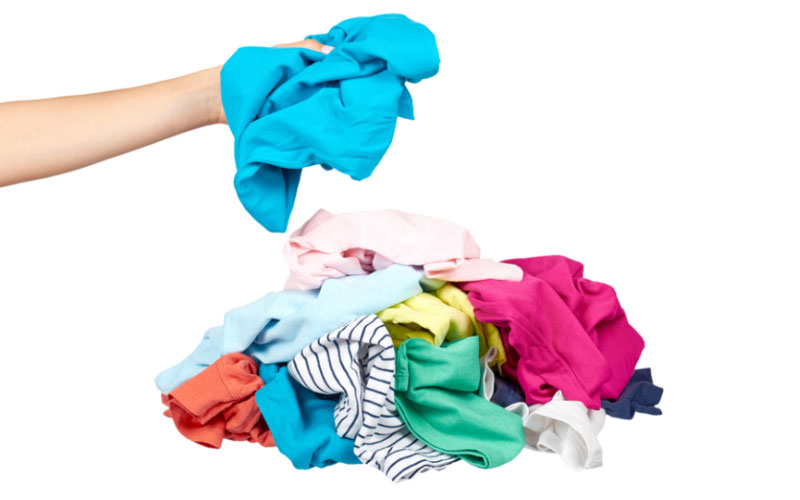
Here is the general method for hand washing clothes, which works well for washing light and dark colors separately. Delicate and special fabrics need a few extra precautions, which we cover in the tips section below.
Step 1: Sort the Clothes
Sorting is the most important step, whether you wash by hand or in a machine. Sort your clothes by color and weight. Keep whites separate, and keep dark garments apart from light ones.
Separate heavy garments such as coats and sweaters from T-shirts and other light clothes. If you have a new item that might bleed color, wash it alone.
Some clothes need a special water temperature or a different detergent. Read the labels and group garments with similar washing instructions.
Turn dark clothes inside out to help prevent fading.
Sorting helps you:
- Prevent color bleeding from one garment to another.
- Avoid damage to lighter clothes from heavier ones.
Once you finish sorting, check the zippers and pockets. Fasten zippers and buttons, and remove tissues and other small items from the pockets.
Step 2: Pick the Right Products
A mild detergent is a good choice because it works on most fabrics and is gentler on your skin, since your hands touch the solution directly. Regular detergent works too, and liquid soap is another option.
For woolens, choose a detergent made for wool. Some of these contain lanolin, which helps keep wool soft and protects it during the wash.
For delicate fabrics such as silk, you can pick a no-rinse detergent. After the item soaks in the solution, these products do not require rinsing. Many no-rinse detergents are sold in stores and online, so choose one that suits your needs.
Read More: 10 Laundry Detergent Types You Must Know
Step 3: Wear Gloves
Wear rubber gloves, especially if your skin is sensitive to chemicals. Even if you are not allergic, gloves are a good precaution.
When you wash by hand, your skin is in direct contact with the detergent. Soaps and detergents dry out your skin, and they can sting if you have small cuts. Rubber gloves solve this problem.
Read More: 10 Best Laundry Soap Bars – In-Depth Review
Step 4: Fill the Tubs
Start by filling two deep, wide tubs with water. They should be big enough to hold at least one garment with room to move. Fill each about three quarters full. Use lukewarm water, roughly body temperature or a little cooler (about 85°F or 29°C), and check the care label for the maximum temperature. Hot water can make colors bleed and shrink some fabrics, while very cold water can make detergent less effective.
Step 5: Add the Detergent
Add a small amount of liquid detergent to one of the tubs. Check the label for the recommended amount, and use less than you would in a machine. Stir until the detergent dissolves completely.
Read More: Do You Pour Liquid Detergent on Clothes?
Step 6: Add the Clothes
Place clothes of the same color in the tub with detergent and water, and make sure they are fully submerged. If the tub is large enough, you can wash several items at once. If it is small, wash one piece at a time.
Move the clothes gently through the water in a circular motion to loosen the dirt. Only swish them. Do not scrub or rub, because that can damage the fibers.
Do not leave the clothes in the soapy water for too long. Let them soak only long enough to lift the dirt and grease, as a long soak can bleed dyes and weaken some fabrics.
Step 7: Rinse the Clothes
After washing, lift the clothes out of the soapy tub and move them to the second tub with clean water. Move them in and out of the water several times to rinse out the detergent.
Keep rinsing, changing the water if needed, until no suds or detergent remain. You can skip this step if you used a no-rinse detergent.
Now your clothes are clean and ready to dry.
Drying Hand-Washed Clothes
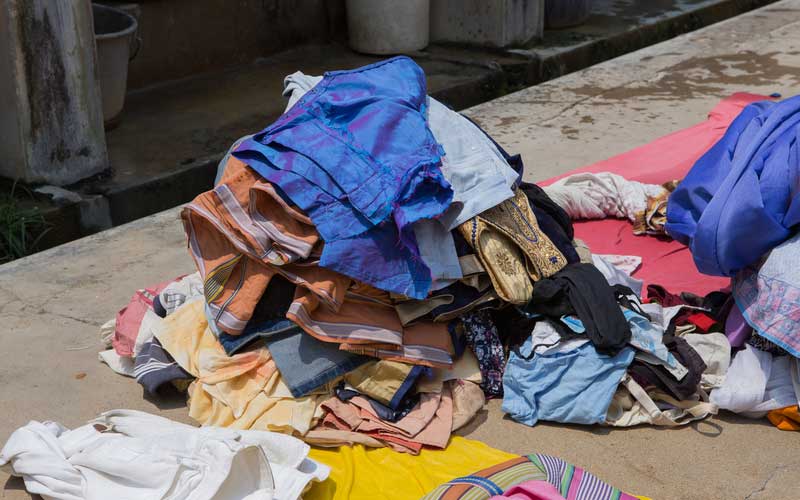
A dryer is usually too rough for clothes that need hand washing. Instead, press the water out gently. Squeeze the garment without twisting or wringing it, or roll it in a clean towel. Then hang it in the open air or lay it flat to dry completely. Keep dark and bright colors out of direct sunlight to prevent fading. If your clothes dry indoors, our article on how detergent affects clothes drying indoors may help.
Tips for Hand Washing Clothes
These tips will help you get better results when you wash clothes by hand.
Read the Label
Make it a habit to read the care label before washing. It tells you whether the garment can be hand washed or needs dry cleaning, and it lists important details about temperature and drying.
Check for Colorfastness
Before washing, test a small hidden area for colorfastness. Dab it with a damp cloth and a little detergent solution. If no dye comes off, you can continue. If the color bleeds, change the detergent or washing method, or wash the item alone in cold water.
Handle Special Fabrics Carefully
Special fabrics such as lingerie, wool, silk, and baby clothes can change shape and color in a washing machine. They keep their shape best when washed gently by hand. Brightly colored or dark silk can bleed easily, so test for colorfastness first or have it dry cleaned. For more detail, see our guide on washing lingerie and delicates in liquid detergent.
Pretreat Stains
Treat stubborn stains before you wash. Apply a stain remover or a small amount of liquid detergent directly to the spot and let it sit while you prepare the wash water. Then work the stain gently with a soft brush or your fingertips and rinse with water.
Read More: What Are These Blue Stains on My Washed Clothes?
Add Things in the Right Order
Fill the tub with water first, then add the detergent. Do not throw everything in at once. Make sure the water is at the right temperature and the detergent is fully dissolved, or it will leave residue on the clothes. Add the clothes last.
Use a Clean Tub or Basin
Clean the tub or basin before you use it. Dirt on the surface can transfer to your clothes. You can wipe it out with a cup of white vinegar diluted in water, which also helps remove odors. Rinse it well afterward, and never combine vinegar with bleach or any bleach-based cleaner.
Be Gentle with Your Clothes
Do not rub or twist clothes. That can damage them and make them shrink, and delicate fabrics cannot handle that kind of treatment. Just move the clothes in a circular motion in the tub. That is enough to release most of the dirt.
Wash Similar Clothes Together
Wash clothes of the same fabric, color, and weight together. Put lighter clothes in one tub and darker ones in another. This prevents color bleeding and protects your expensive clothes.
Focus on Areas That Get Dirtier
With underwear, socks, and trousers, spend extra time on the areas that get sweaty and dirty, such as the crotch, underarms, and feet. Work these areas gently between your fingers and rinse them thoroughly. Water temperature and a good detergent matter for reducing germs, as explained in our article on whether bacteria can survive after a clothes wash.
Use White Vinegar for Odor
If your clothes smell musty or sweaty, you can add about half a cup of white vinegar to the rinse water. It helps neutralize odors and rinse away detergent, and the vinegar smell fades as the clothes dry. Do not use vinegar together with bleach, and avoid using it on delicate fabrics unless the care label allows it.
Frequently Asked Questions
How much detergent do I need to hand wash clothes?
Far less than for a machine load. Check the label for hand-washing directions, and start with a small amount. Too much detergent is hard to rinse out and can leave residue on your clothes.
How long should I soak clothes when hand washing?
Most items need only a few minutes of gentle swishing. Heavily soiled clothes can soak a bit longer, but avoid long soaks for delicates and dark colors.
Can I use shampoo or dish soap to hand wash clothes?
In an emergency, a small amount of mild shampoo can work on delicates, but laundry detergent is a better choice because it is made to rinse out of fabric. Avoid using dish soap on clothes regularly.
Conclusion
Hand washing seems daunting only if you have never done it. It takes a bit more time and effort, but the results are worth it.
A mild detergent, rubber gloves, and two wide tubs are all you need. You also save electricity, delicate fabrics stay safe, and you can treat stains by working them gently with your fingers.
Choose a mild detergent and read the care label every time you wash. That will save you a lot of hassle.