

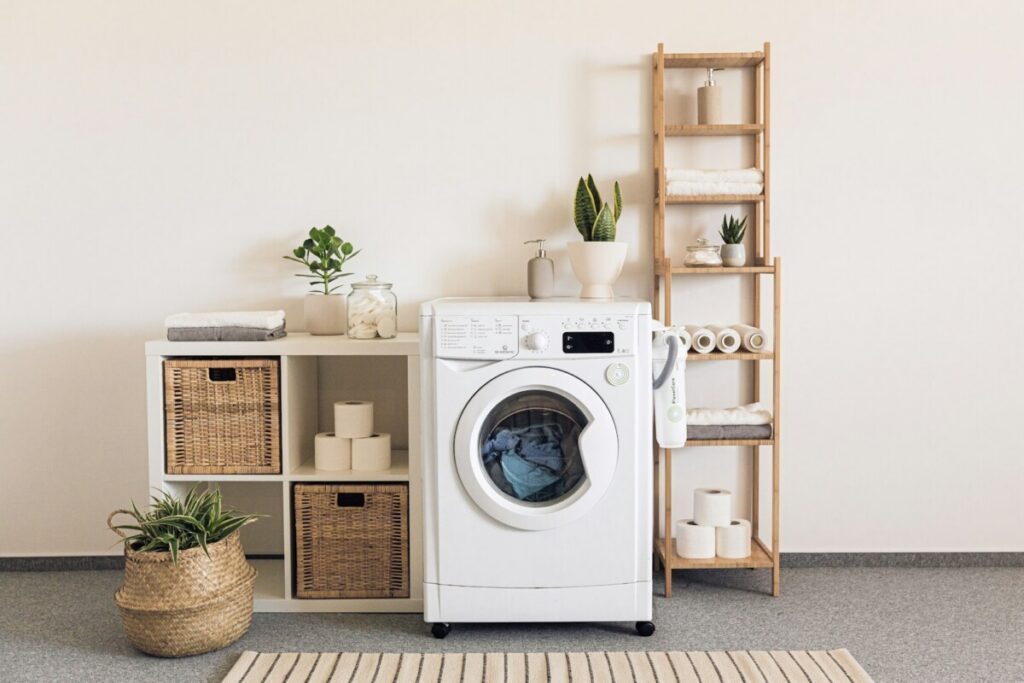
You pull a stack of towels out of the washer expecting that clean, fresh smell, and instead you get a sour, musty whiff. It is frustrating, especially when you used the detergent, ran the full cycle and did everything right. The good news is that this problem has a short list of causes, and every one of them can be fixed at home.
Towels smell musty after washing because moisture and leftover residue let odor-causing bacteria and mildew grow in the thick cotton loops. The usual causes are too much detergent or fabric softener, a damp washer drum, overloading, and leaving wet towels sitting. Fix it with a hot wash using less detergent, dry the towels fully right away, and skip softener.
Below, you will find how to tell which cause is behind your smell, a step-by-step rescue wash, and a prevention routine that keeps towels smelling clean after every load.
Why Clean Towels Can Still Smell Bad
Towels are built to hold water. Their dense terry loops soak up moisture from your skin, along with oils, dead skin cells and soap. A wash cycle is supposed to remove all of it, but if any step falls short, what stays behind becomes food for bacteria and mildew. Warmth and dampness do the rest.
Because a towel is thick, it also dries slowly. The inside of a folded or bunched towel can stay damp long after the surface feels dry, which is exactly the setting where mustiness takes hold.
Cause 1: Too much detergent
It seems logical that more detergent means cleaner towels, but the opposite is often true. Extra detergent does not all rinse out, particularly in a high-efficiency (HE) washer that uses little water. The leftover film traps body oils and bacteria in the loops, and towels turn stiff, dull and smelly. If you have ever noticed that your towels feel a little slick or stiff even when clean, residue is the likely reason.
Our post on whether liquid detergent is bad for a washing machine explains how overdosing affects both your laundry and the machine, and the guide to dosing devices can help you measure accurately.
Cause 2: Fabric softener
Fabric softener works by leaving a thin, slippery coating on fibers. On towels that coating reduces absorbency and can hold on to odor and dirt. Over time it builds up, and towels that were once thirsty feel waxy and smell stale. Many laundry sources recommend skipping softener on towels altogether. We cover the trade-offs in Are Fabric Softeners Necessary?
Cause 3: A damp drum, gasket or dispenser
If the towels smell musty right out of the wash, the washer itself may be the source. Front-load washers have a rubber door seal that traps water and lint. Detergent drawers and drum surfaces can collect residue and mildew. Every load picks up that smell. If other laundry also smells musty, clean the machine first.
Cause 4: Overloading and a short cycle
A drum stuffed with towels does not give water and detergent room to flow through the loops. Rinsing is weak, soap stays behind, and the towels come out damp and smelly. Towels are among the heaviest, thirstiest items you wash, so they need more space than you think.
Cause 5: Slow drying and sitting damp
Letting wet towels sit in the drum, in the hamper or on a bathroom hook with no airflow gives mildew time to grow. Arm & Hammer notes that musty odors often come from towels left in the washer too long before moving to the dryer, because moisture fosters mold and mildew. You can read its advice in How to Get Musty Smell Out of Towels.
Cause 6: Low wash temperature all the time
Cold washes save energy, but towels are the one load where a warm or hot wash often helps. Heat helps break down body oils and residue that cold water can leave behind. If your towels sour only after many cold washes, this may be a contributor.
Quick Diagnosis: Which Cause Is Yours?
| What you notice | Most likely cause | First thing to try |
|---|---|---|
| Towels feel stiff, slick or less absorbent | Detergent or softener buildup | Strip wash, cut dose, skip softener |
| Smell appears as soon as the towels come out of the wash | Dirty washer or door seal | Clean the washer, then rewash |
| Smell shows up a day or two after drying | Not fully dry before folding | Dry longer, space towels out |
| Smell returns quickly after one use | Damp hanging or poor airflow | Hang open, ventilate the bathroom |
| Other laundry smells musty too | Washer or water issue | Run a machine cleaning cycle |
How to Get the Musty Smell Out: Step by Step
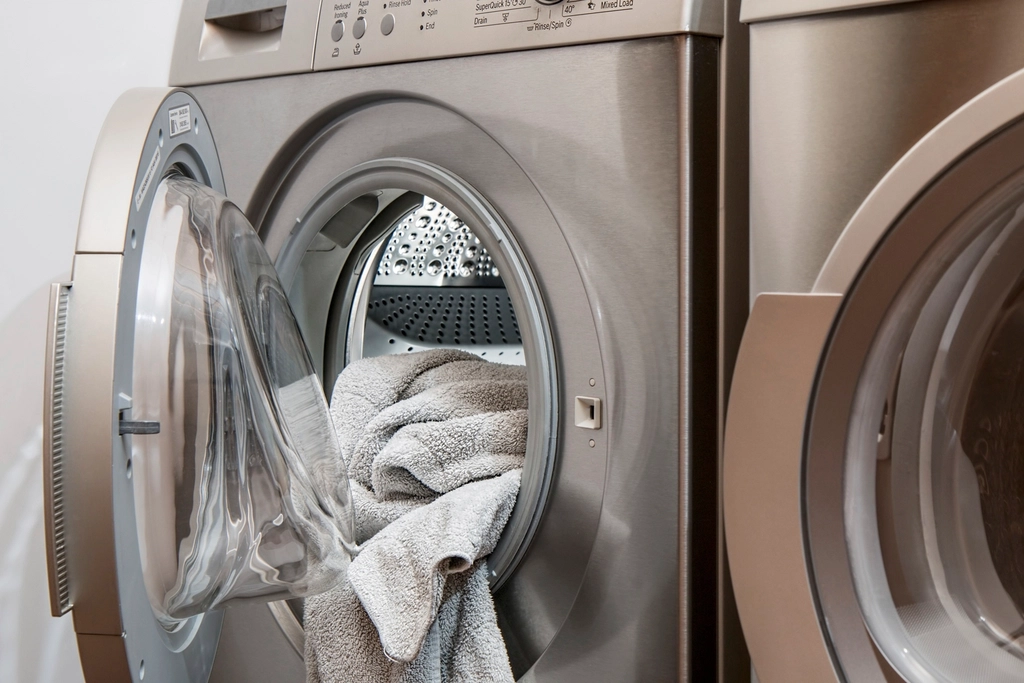
This rescue wash removes residue and odor. Do it once, then switch to the prevention routine in the next section.
- Check the care label on the towels. Most cotton towels can be washed hot, but follow the label, and check any colored or decorated towels for dye bleeding.
- Wash only towels in this load, and keep it to about half to two thirds of the drum. Do not add other laundry.
- Run the hottest cycle the label allows. Use no more than a small amount of detergent, about half of what you normally use, or none at all for the first cycle if the towels are heavily coated with buildup.
- Add one cup of white vinegar to the fabric softener dispenser or the drum, as many laundry sources suggest, to help dissolve residue. Use vinegar by itself. Never combine vinegar with bleach or any other cleaning product.
- When the cycle ends, run a second hot cycle with about half a cup of baking soda in the drum and no vinegar. Some sources use this step to neutralize leftover odor.
- Add an extra rinse if your machine has one.
- Dry the towels fully, right away, in the dryer on medium to high heat, or hang them outdoors in the sun and breeze.
- Smell the towels once they are dry. If a faint musty smell remains, repeat the process once. If it persists after two rounds, replace the towels, since heavy mildew growth may be too deep to remove.
Can I use bleach?
You can use chlorine bleach on white cotton towels if the label allows it, but follow the bottle directions and never combine it with vinegar, ammonia or any other cleaner. Because mixing bleach with other products can produce toxic gases, run vinegar and bleach in completely separate washes with a full rinse in between, or choose one method. For colored towels, use an oxygen-based laundry booster instead. Our article on detergent and bleach explains the difference.
Clean the washer too
If your towels keep smelling musty, clean the machine. Wipe the door gasket and the dispenser drawer, and run the washer-cleaning cycle or a hot empty cycle with a washer cleaner, following your manual. Then leave the door ajar between loads so the drum can dry out.
How to Keep Towels Fresh: A Prevention Routine
Measure detergent carefully
Use the dose the label gives for your load size and soil level, and use the lower end for lightly soiled towels. Towels typically need less detergent than people expect. Use an HE detergent if you have an HE washer.
Skip the softener and dryer sheets
Wash towels with detergent only. If you want softer towels, tumble them with a clean dry towel or a few wool dryer balls, and try a periodic vinegar rinse as a substitute.
Do not overload
- Wash towels in a loose, three-quarters-full drum at most.
- Wash similar items together. Do not mix towels with heavy items like jeans.
- Choose a longer cycle or a heavy-duty setting with an extra rinse if your towels feel stiff.
Wash at least some loads warm or hot
Use warm or hot water for towels on a regular schedule, as the care label permits. This helps clear body oil and bacteria that cold water can leave behind. You can still use cold water for colored towels and lightly used guest towels.
Dry them completely and quickly
- Move towels to the dryer as soon as the wash finishes. Do not leave them in the drum.
- Dry until they feel completely dry all the way through, including the thick edges and hems. A damp seam is a common source of that smell.
- If you line-dry, choose a breezy spot and keep the towels spread out. Our article on drying clothes indoors offers extra tips for drying without a dryer.
Let towels air out between uses
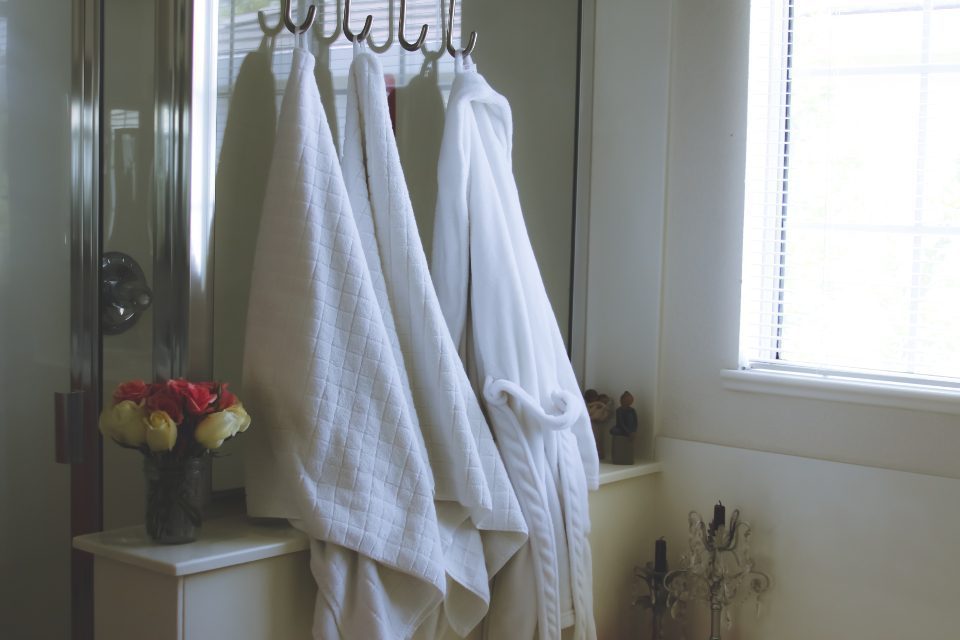
- Hang a used towel flat or spread over a bar, not bunched on a hook.
- Run the bathroom fan or crack a window after showers.
- Wash bath towels after a few uses, sooner if they feel damp or smell off, and wash gym and kitchen towels more often.
- Do not drop a damp towel in the hamper. Let it dry first, or wash it the same day.
Keep the washer clean
A clean machine makes clean towels. Leave the door and dispenser drawer open when not in use, wipe the gasket, and follow your manual for monthly maintenance. The American Cleaning Institute’s laundry basics are a good general reference for load size, dosing and care labels.
When to Replace Your Towels
If you have run two rescue washes, cleaned the washer and your towels still smell musty, or you see dark spots, it is time for new ones. Heavy mildew can stain and weaken the fabric. Old towels that no longer absorb water well are also worth replacing. Keep them for cleaning rags or the garage.
Frequently Asked Questions
Why do my towels smell musty even though they are clean?
Smell comes from bacteria and mildew feeding on residue and moisture in the fibers, not from visible dirt. Buildup from detergent or softener, a damp washer or slow drying are the usual causes.
Is vinegar or baking soda better for smelly towels?
Use them in separate cycles rather than together. Vinegar helps dissolve residue and baking soda helps neutralize odor. Neither replaces proper dosing and fast, thorough drying.
Can too much detergent make towels smell?
Yes. Extra detergent does not rinse out fully, especially in HE washers, and the leftover film holds onto oils and bacteria. Cutting your dose is often the easiest fix.
How often should I wash bath towels?
There is no single rule. Washing after a few uses works for most households, and sooner is better if the towels stay damp, the bathroom is humid or they start to smell.
Bottom Line
Musty towels almost always come down to residue, moisture or both. Strip the buildup with a hot, lightly dosed wash, dry the towels completely and immediately, skip softener, and keep the washer clean and ventilated. Follow that routine and your towels will come out of the dryer smelling like nothing at all, which is exactly how clean towels should smell.


