
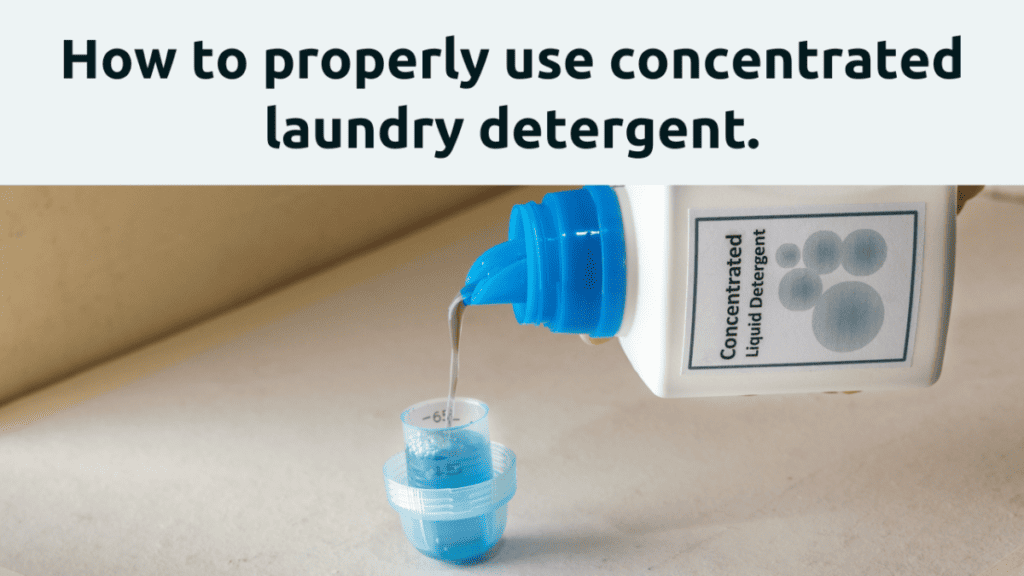
Imagine doing laundry without hauling around a heavy jug of detergent. That is the appeal of concentrated laundry detergent: you use a smaller amount per load, store a smaller bottle and still get clean clothes.
To use concentrated laundry detergent, read the dosage instructions on the bottle, measure with the cap or scoop provided, and add the amount for your load size and soil level to the detergent drawer or drum. Most loads need much less than regular detergent, often just one or two tablespoons, and using more can leave residue and stiff fabrics.
This guide explains what concentrated detergent is, how it differs from regular detergent, the main types, safety precautions, how to use it step by step, and whether washing soda can replace it.
What Is Concentrated Laundry Detergent?
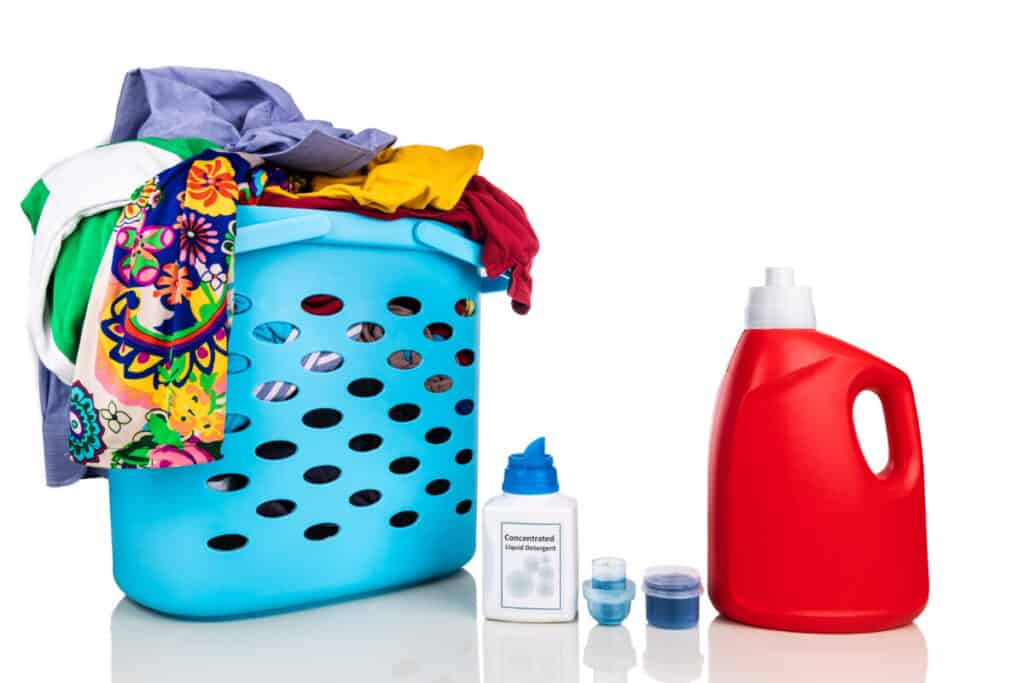
Concentrated laundry detergent is a formula that packs more cleaning ingredients into less product, so you need a smaller dose to clean a load. It contains less water than traditional laundry detergents, which is why the bottles are smaller and lighter, and why the dose on the label is smaller.
Concentrated vs. Regular Laundry Detergent
Both types clean clothes, and both can handle everyday stains such as coffee, mud and wine when used as directed. The real differences come down to formula, dose, packaging and price per load.
Concentrated Detergent
- It contains a higher share of active cleaning ingredients and less water.
- You need a smaller dose per load, so one bottle lasts for more washes.
- The packaging is smaller and lighter, which saves plastic, shelf space and shipping weight.
Regular Detergent
- It contains more water and other ingredients, so each dose is weaker.
- You need a larger dose per load, and the bottles are bigger and heavier.
- Cleaning performance is similar when you follow the label, so the price per load is the better comparison.
If you are still deciding between formats, our comparison of liquid, powder and pod detergent can help.
One more point worth knowing: concentrated does not mean stronger on fabrics when you follow the label, but it does mean there is less room for error. A heavy pour of a concentrate can leave far more residue than the same pour of a regular detergent, so measuring matters even more.
DIY Powdered Laundry Detergent
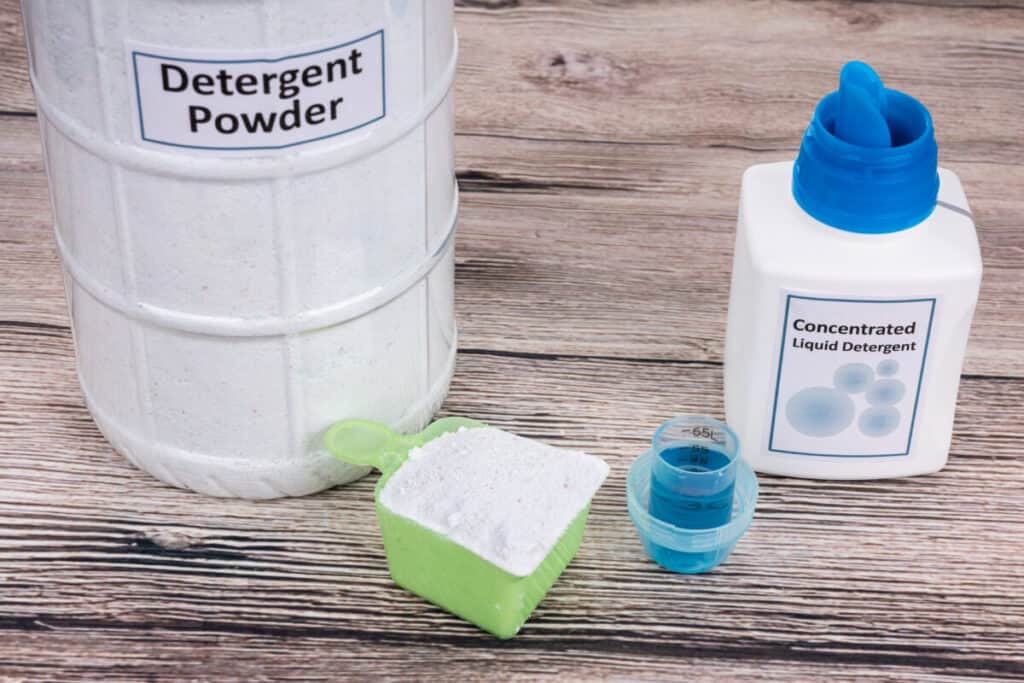
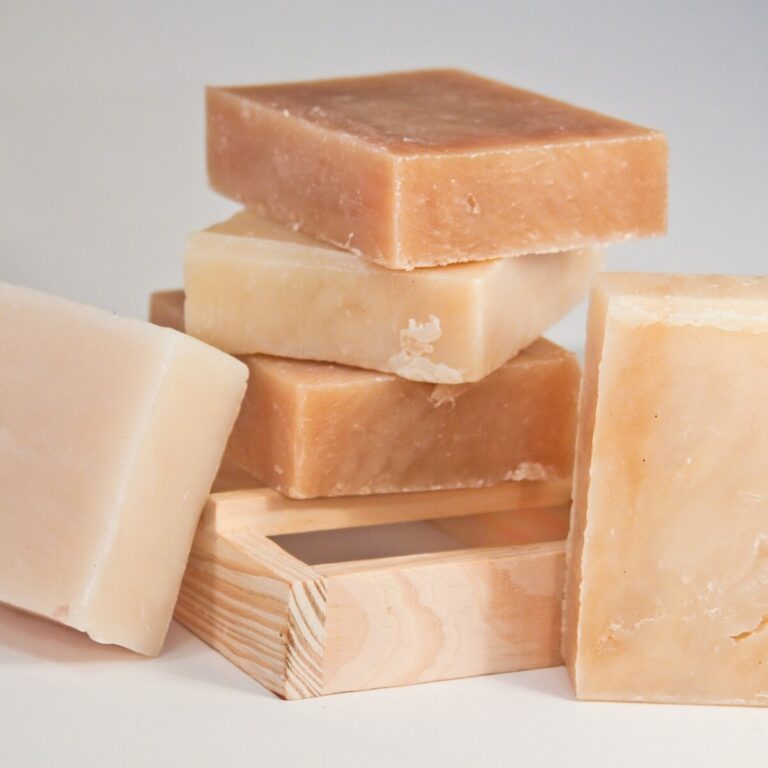
Some people like to make their own detergent to control ingredients and cost. Homemade mixes are simple, but they are not a true match for commercial detergent. They lack enzymes and may leave soap residue, especially in hard water, and they are not recommended for high-efficiency (HE) machines unless your manual allows it. Treat this as a budget option for lightly soiled loads.
Ingredients and Equipment
- 1 bar of pure castile or laundry soap, finely grated (about 1 cup)
- 1 cup washing soda (sodium carbonate)
- 1/2 cup borax (sodium borate)
- 10 to 15 drops of essential oil (optional)
- A large bowl, a fine grater or food processor, and an airtight container
Instructions
- Grate the soap as finely as you can. A food processor works well and helps it dissolve faster in the wash.
- Mix the grated soap with the washing soda and borax in a large bowl. Wear gloves and a dust mask, because both powders can irritate skin and lungs.
- Add the essential oil if you want a light scent, and stir well.
- Pour the mixture into an airtight, clearly labeled container.
Important Notes
- Use about 1 to 2 tablespoons per load and dissolve it in warm water before adding it to the drum.
- Keep the container away from children and pets, and store it in a cool, dry place out of direct sunlight.
- Use it up within a few months, and discard it if it clumps or smells off.
- Test it on a hidden spot first, and avoid it on wool, silk and other delicate fabrics.
Benefits of Concentrated Laundry Detergent

Here are the most notable advantages of switching.
Less Packaging and Lower Shipping Weight
Compact bottles use less plastic per wash, and lighter shipments mean less fuel for transport. If you want to cut waste, that is a simple place to start. Concentrated formulas also tend to be designed for cold-water washing, which saves energy.
Good Value per Load
Concentrated detergent often costs more per bottle, but a bottle covers more loads. Compare the price per load rather than the price on the shelf, and you will usually find it competitive or cheaper.
Convenient for Travel
A small bottle or a few pods fit easily in a suitcase. That makes concentrated detergent handy for trips, dorms and small apartments where storage is tight.
Many Gentle Options Available
Concentrated detergents are not automatically gentler or greener, but many brands offer fragrance-free, dye-free and plant-based versions. If you have sensitive skin, look for those labels, and rinse well. Our guide for allergy sufferers has more on choosing a suitable detergent.
Types of Concentrated Laundry Detergent
Manufacturers offer several formats to suit different machines and habits. Each has its pros and cons.
Liquid Concentrates
Liquid concentrates are the most common choice. They come in lightweight bottles, dissolve easily in water and work well on greasy stains. You can also apply a little directly to a stain as a pretreatment.
The downside is that they are easy to overpour. A concentrated formula needs a precise dose, and many people misjudge the cap markings. Our guide to using liquid detergent and dosing balls can help with measuring.
Powder Concentrates
Powders are usually cheaper per load and come in compact boxes or bags. They work well in warm and hot water and can be good for whites and heavily soiled laundry.
However, powders may not dissolve completely in cold water and can leave a chalky residue on dark clothes. Pre-dissolving the powder in warm water helps.
Pods and Capsules
Pods are the most convenient because each one is pre-measured. They remove the guesswork and the mess of pouring.
They also cost more per load, and you may need two for a very large load. Most importantly, pods are a poisoning risk for children and pets. Store them in their original closed container, high up and out of reach, and never let children handle them.
High-Efficiency (HE) Detergents
HE detergents are formulated to produce fewer suds, which is what high-efficiency washers need. Many concentrated detergents are also HE detergents. Look for the HE symbol on the label if you own a front-loader or an HE top-loader. Using too much, even of an HE product, can leave residue and make fabrics feel stiff.
All-in-One Formulas
Some concentrates combine detergent with stain fighters, fabric softener or fragrance in one dose. They simplify the routine, although you have less control over each ingredient.
Safety Precautions
Concentrated detergents are powerful, so handle them with care.
Protect Your Eyes and Skin
Concentrated detergent can irritate eyes and skin. If it gets in your eyes, rinse them with clean water for at least 15 minutes and call a doctor or poison control if irritation persists. Wash skin with plenty of water if the detergent touches it, and stop using the product if a rash develops.
Never Mix It With Bleach or Other Cleaners
Do not combine detergent with chlorine bleach, ammonia, vinegar or other cleaning products in the same container. Some combinations release toxic gases. If you use bleach in a separate load, follow the bleach label and use the right dispenser.
Keep It Away From Heat and Sunlight
Heat and strong light can break down some ingredients and shorten shelf life. Store your detergent in a cool, dry place out of direct sun. Our guide on the best way to store laundry detergent has more details.
Keep Containers Closed
Close the lid tightly after each use so that moisture does not get in and powders do not clump. For liquids, wipe drips from the cap and threads.
Handle Pods With Dry Hands
Wet hands can make a pod’s film start to dissolve and stick to your skin. Dry your hands before you take a pod out, put it in the drum before the clothes, and do not puncture or cut it.
How to Use Concentrated Laundry Detergent

Follow these steps to get good results from concentrated detergent and avoid using too much.
Step 1: Read the Dosage Instructions
Check the label for the dose by load size, soil level and water hardness. The manufacturer designs these amounts for effective cleaning with the least product.
Step 2: Sort Your Laundry
Separate clothes by color and fabric type, and check care labels. Sorting prevents color bleeding and fabric damage.
Step 3: Load the Washing Machine
Place clothes loosely in the drum. Do not overload, because clothes need room to move for the detergent to rinse out properly.
Step 4: Measure the Detergent
Use the cap or scoop that comes with the product, and fill only to the line that matches your load. For a small or lightly soiled load, use less. Our article on dosing devices explains how to measure more accurately.
Step 5: Add the Detergent
Pour it into the detergent compartment of your washer, or follow the product directions if it says to add it to the drum. Not sure where yours goes? See where to put laundry detergent.
Step 6: Choose the Cycle
Select the water temperature, spin speed and cycle that suit the fabrics, following the care labels. Your washer manual can help if you are unsure.
Step 7: Start the Wash
Close the door or lid and start the cycle. It is worth listening for unusual noises, especially on the first few loads with a new product.
Step 8: Finish the Wash
Remove clothes promptly to prevent wrinkles and musty smells. Check for visible detergent residue. If you see any, you probably used too much, so lower the dose or run an extra rinse next time.
Step 9: Store the Detergent
Wipe the cap, close the container tightly and store it in a cool, dry place away from heat and sunlight, and out of reach of children and pets.
Can You Use Washing Soda Instead of Concentrated Detergent?
Washing soda is a useful laundry booster, but it is not a full replacement for detergent. It softens water and helps lift some dirt, which can improve results, and it is inexpensive.
However, it has no surfactants or enzymes, so its ability to remove oily soils and protein stains is limited. It is also strongly alkaline, which can be rough on wool, silk and some colored fabrics, and it can irritate skin. Dissolve it in warm water before adding it, and always wear gloves when handling it.
The simple answer is to use washing soda as a booster alongside your detergent. If your clothes are new, delicate or expensive, stick with a proper concentrated detergent and follow the care label.
Concentrated Detergent FAQ
How Much Concentrated Detergent Should I Use per Load?
Follow the label. Most concentrated liquids call for roughly one to two tablespoons for a normal load, but brands differ, and heavily soiled loads or hard water may call for more.
Can I Dilute Concentrated Detergent?
It is generally better not to, because diluting can affect how the preservatives work and may shorten shelf life. If you want to stretch your detergent, just use the smaller dose the label allows.
Is Concentrated Detergent Safe for HE Washers?
Yes, if the label says HE. Non-HE detergents can create too many suds in an HE machine.
Bottom Line
Concentrated detergent can save space, reduce packaging and deliver clean laundry, as long as you measure carefully. Compare the price per load, choose a format that suits your machine, and keep every detergent, especially pods, away from children and pets. For more background, see this overview of what detergents are made of.
Not sure how much to use? The Detergent Dose Calculator adjusts the dose for your load, water and washer.