
For many people, a warm cup of tea is a daily comfort. The one thing nobody enjoys is the brownish-yellow stain it leaves behind when it spills on a shirt, a tablecloth, or the living room carpet.
The good news is that tea stains are very treatable, especially if you act quickly. This guide covers the most reliable methods for clothes, plus what to do on carpet, teeth, cups, and spoons.
To remove tea stains from clothes, blot up the excess, rinse the back of the stain with cold water, then pretreat with liquid laundry detergent or a mix of one part white vinegar to two parts water. Let it sit 15 to 30 minutes, rinse, and wash following the care label. Check that the stain is gone before using a dryer.
What Causes Tea Stains?
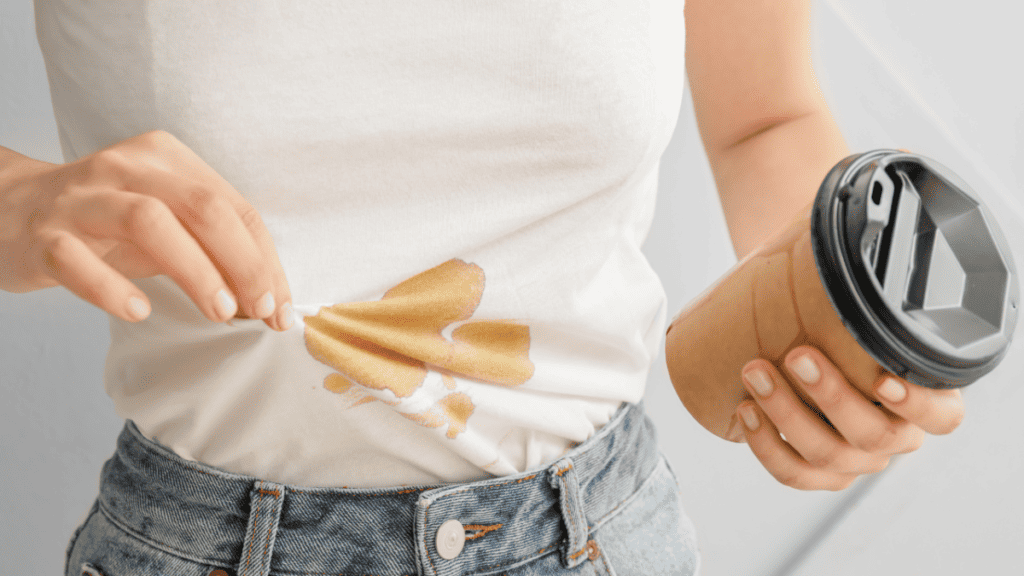
Tea contains tannins, natural plant compounds that give tea its rich color. Coffee and red wine contain tannins too. Tannins cling to fabric fibers, which is why a spill can leave a brown-yellow mark that is hard to remove once it dries.
Fresh tea stains are much easier to remove than old ones. Cold water rinsing is a good first step, and the methods below build on that. Several of these methods come from traditional household practice, and they work best when you start early.
First Steps for Any Tea Stain
- Blot the spill with a clean cloth or paper towel. Do not rub, which can push tea deeper into the fibers.
- Rinse the stain from the back of the fabric with cold running water, so the tea is flushed out of the fabric instead of through it.
- Check the care label and test any product on a hidden area first.
- Avoid hot water and heat until the stain is gone, since heat can set stains.
- Do not put the garment in the dryer until the mark has disappeared.
How to Remove Tea Stains From Clothes With Vinegar
White vinegar is a mild acid that helps loosen tannin stains. It is a useful household cleaner, but it has downsides, so use it with care.
Materials you need
- White vinegar
- Cool water
- A bowl
- A soft toothbrush
What to do
- Mix one part white vinegar with two parts cool water in a bowl.
- Soak the stained area in the solution for 15 to 30 minutes.
- Gently scrub the stain with a soft toothbrush.
- If the stain is still there, repeat the process once or twice.
- Rinse the fabric well with cold water to remove the vinegar.
- Wash the garment as usual, following the care label.
Downsides of Using Vinegar
Vinegar is acidic and can harm delicate fabrics such as silk and wool, so skip it on those. Do not leave it on fabric for more than about 30 minutes, and rinse the garment thoroughly afterward to remove it.
Vinegar also has a strong smell, so work in a ventilated area, and wear gloves if your skin is sensitive. Never mix vinegar with bleach or other cleaners. Combining them can release harmful fumes.
How to Remove Tea Stains From Clothes With Rubbing Alcohol
Rubbing alcohol (isopropyl alcohol) can break down some stubborn stains, including tea, ink, and grass. It is worth trying on sturdy fabrics, after a test on a hidden spot.
Materials you need
- Rubbing alcohol
- Cold water
- A clean, absorbent cloth
- Laundry detergent (optional)
What to do
- Dab a small amount of rubbing alcohol onto the stain.
- Let it sit for a few minutes.
- Blot with a clean absorbent cloth to lift the stain and excess alcohol.
- Rinse with cold water.
- Wash by hand or in the machine with laundry detergent, following the care label.
Downsides of Using Rubbing Alcohol
Rubbing alcohol is flammable, so keep it away from flames, hot irons, and other heat sources, and work in a well-ventilated area. Wear gloves, since it can irritate skin. It is also not the best choice for delicate fabrics such as silk and wool, and it can affect some dyes, so test first.
How to Remove Tea Stains From Clothes With Baking Soda
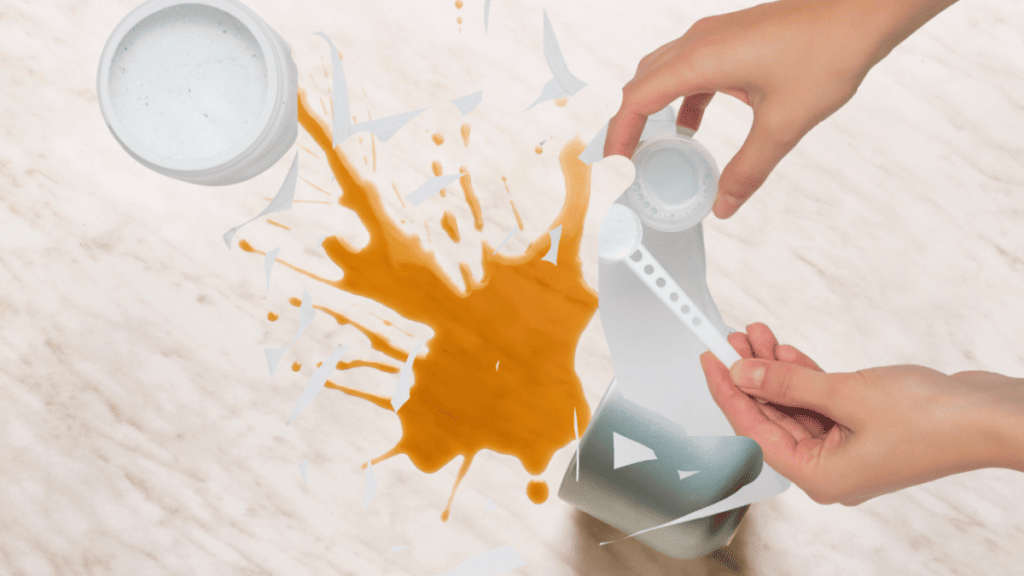
Baking soda is a gentle, natural cleaner that also helps neutralize odors. It is a good option when you want to avoid stronger chemicals.
Materials you need
- Baking soda
- Water
- A soft toothbrush
What to do
- Mix baking soda with a little water to make a thick paste.
- Spread the paste on the stain.
- Let it sit for at least 15 minutes.
- Gently scrub with a soft brush or toothbrush.
- Repeat if any of the stain remains.
- Rinse the area with cold water.
- Wash the garment with laundry detergent and follow the care label.
Downsides of Using Baking Soda
Baking soda is mild, but do not leave the paste on delicate fabrics for long, and do not scrub hard, since that can wear the fibers. Wear gloves if your skin is easily irritated.
How to Remove Tea Stains From Clothes With Laundry Detergent
A good laundry detergent is designed to lift stains, so it is often the simplest solution for a fresh tea spill. Choose one that is kind to your clothes and skin and, if possible, look for a formula that is better for the environment. Our guide to eco-friendly laundry detergent explains what to look for.
Materials you need
- A bucket or basin of warm water
- Laundry detergent
- A towel
What to do
- Fill a basin with warm water and add a scoop of detergent. Mix it until the detergent is dissolved.
- Soak the stained garment for 30 minutes to an hour, according to the fabric.
- Remove the garment and gently squeeze out the water. For more on how long to soak, see our guide to soaking clothes in detergent.
- Place the garment in the washing machine.
- Add the recommended dose of detergent.
- Wash with the warmest water the care label allows.
- Check the stain before drying. If it is still visible, repeat the process, and let the garment air-dry until the mark is gone.
How to Remove Old Tea Stains From Clothes
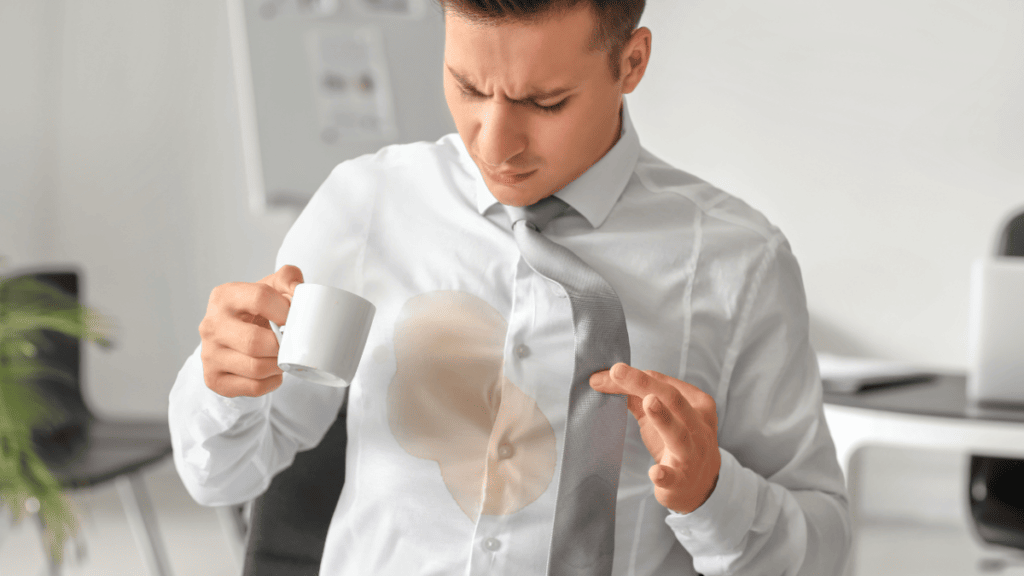
Old, dried tea stains are tougher, but they are not hopeless. They usually need a longer soak and a repeat treatment.
Start by soaking the stain in cool water with a little laundry detergent. If a mark remains, try the vinegar solution or a baking soda paste, or use a stain remover that is safe for the fabric. Do not use heat until the stain has lifted. Patience matters here: it may take two or three rounds of soaking and washing before the last trace fades, and that is normal for a stain that has had time to set. For white cotton items, an oxygen-based bleach can help. Always follow the product directions.
Which Method Should You Choose?
| Method | Best for | Avoid on |
|---|---|---|
| Laundry detergent | Fresh stains on most washable fabrics | Items labeled dry clean only |
| White vinegar | Light-colored cotton and synthetics | Silk, wool, and delicate fabrics |
| Baking soda paste | Gentle spot cleaning and odors | Delicate fabrics when scrubbed hard |
| Rubbing alcohol | Stubborn marks on sturdy fabrics | Silk, wool, and anything that is not colorfast |
How to Prevent Tea Stains
- Use a lid or a mug with a secure sip opening when you are on the move.
- Keep a stain remover pen or wipes handy at your desk or in your bag.
- Treat spills right away, before the tannins have time to set.
- Rinse cups and mugs soon after use so stains do not build up.
- Check pockets and tablecloths after tea time, since small drips are easy to miss.
How to Remove Tea Stains From Carpet
A tea spill on a carpet can feel worse than one on a shirt, but you can usually fix it if you act fast. First, check the carpet manufacturer’s guidance, since some materials do not tolerate certain cleaners or much water.
What to do
- Blot up as much tea as possible with a clean kitchen cloth or towel. Do not rub.
- Mix a small amount of mild detergent or carpet stain remover into cool or lukewarm water.
- Dab the solution onto the stain with a clean cloth or sponge.
- Work from the outside edge toward the middle so the stain does not spread.
- Blot with a clean, damp cloth to rinse, then blot dry.
- Let the carpet air-dry. If any stain remains, repeat the process.
How to Remove Tea Stains From Teeth
Tea can stain teeth over time. The stains are not a health risk, but many people prefer to reduce them. These tips can help, and a dentist is the best person to consult about whitening.
Use Baking Soda Carefully
Brushing with a small amount of baking soda paste may help lift surface stains. However, it can be abrasive, so do not use it often, and do not scrub hard. A whitening toothpaste approved by your dentist is a safer routine choice.
Drink Water After Tea
Drinking water after tea helps rinse tannins from your mouth before they settle on your teeth.
Brush Regularly
Brush your teeth at least twice a day. If you drink tea daily, waiting a short while after your cup and then brushing helps prevent stains from building up.
Visit Your Dentist
If home care is not enough, ask your dentist about professional cleaning or whitening options.
How to Remove Tea Stains From Cups and Spoons
Cups and spoons stain easily when you use them for tea every day. Rinse or wash them right after you finish, so the tea does not dry on the surface. If stains have built up, soak the cup in warm water with a spoonful of baking soda, then scrub with a non-scratch sponge and rinse well.
Tea Stain FAQs
Should I Use Hot or Cold Water on Tea Stains?
Start with cold water to flush out the tea, because heat can set the stain. After the stain is gone or pretreated, wash the garment in the warmest water the care label allows.
Can Tea Stains Be Removed?
Yes, most tea stains come out, especially fresh ones. Treat them as soon as possible, because dried stains are harder to remove than fresh ones. If a stain survives washing, repeat the treatment before you use a dryer.
Can I Use Bleach on Tea Stains?
Chlorine bleach is only for white, bleach-safe fabrics, and it should never be mixed with vinegar, ammonia, or other cleaners. See our guide on the difference between laundry detergent and bleach. For colors, an oxygen-based product is a safer option.
Final Verdict
Tea stains happen, but they rarely have to be permanent. Whether the spill landed on a favorite shirt, the sofa, or the carpet, the same principle applies: remove the excess first, then treat the fabric gently. Blot, rinse with cold water, pretreat with a detergent, vinegar, or baking soda, and check the stain before drying. The faster you act, the better your results.
Dealing with a different stain? Try the Stain Finder, or print our one-page stain cheat sheet.