You are traveling, the detergent has run out, or you are looking at a bar of soap by the sink and wondering whether it can do the job. Using bar soap for laundry is an old habit, and it still works in the right situation. The catch is that a bar made for your skin is not the same product as a bar made for fabric.
Yes, you can use regular bar soap to wash clothes by hand in a pinch. Rub a little on damp fabric, work up a lather, scrub, and rinse thoroughly in several changes of water. It cleans light soil but leaves residue in hard water and is a poor choice for washing machines, especially high-efficiency models, where it can build up as soap scum.
The details matter more than the yes or no. Below you will find how body soap differs from a laundry bar, how to hand wash with it on the road, why grating it into your washer is a bad idea, and what to use instead when you are back home.
Bar Soap for Laundry: How Body Soap Differs from Laundry Bars
True soap is made by reacting fats or oils with an alkali. The result is a salt of fatty acids that lifts oily dirt from skin and fabric. Detergents are a different family of cleaners: synthetic surfactants designed to keep working in conditions where soap struggles. Our guide to detergents and soap covers that chemistry in more depth.
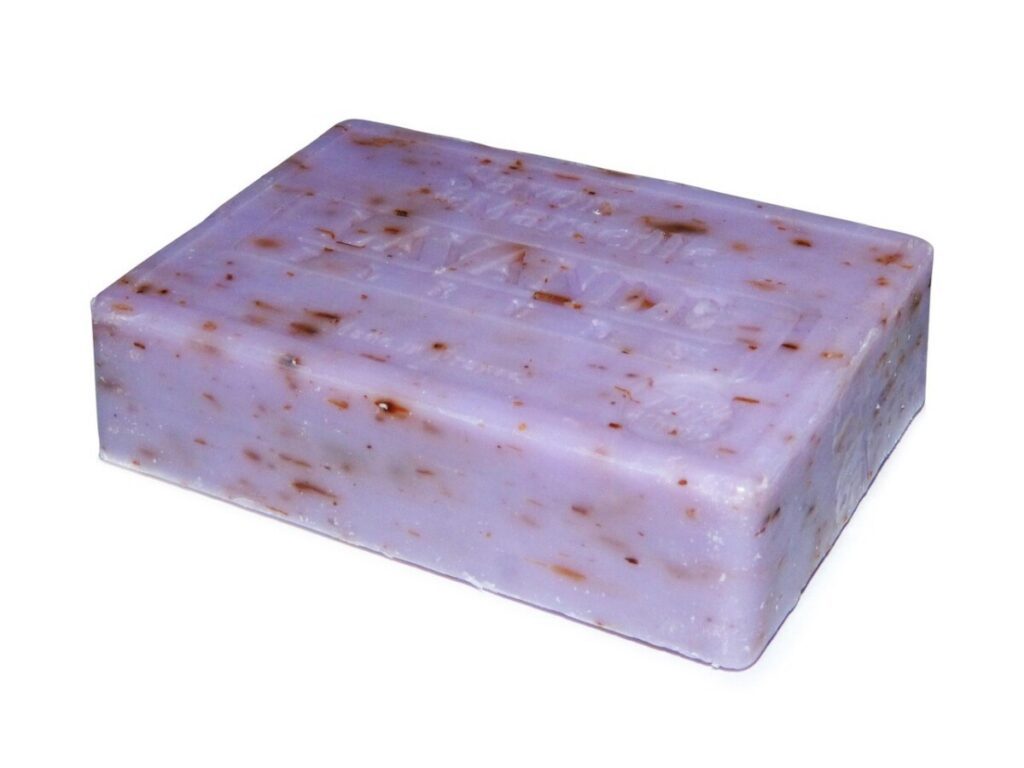
What Is in a Body Soap Bar
Body bars are formulated to be kind to skin. Many contain added moisturizers, oils, fragrance and sometimes cleansing ingredients that are not soap at all. Those extras are pleasant on your hands and a nuisance on a shirt, because oils and conditioners can cling to fibers and leave a slightly greasy or stiff feel after drying.
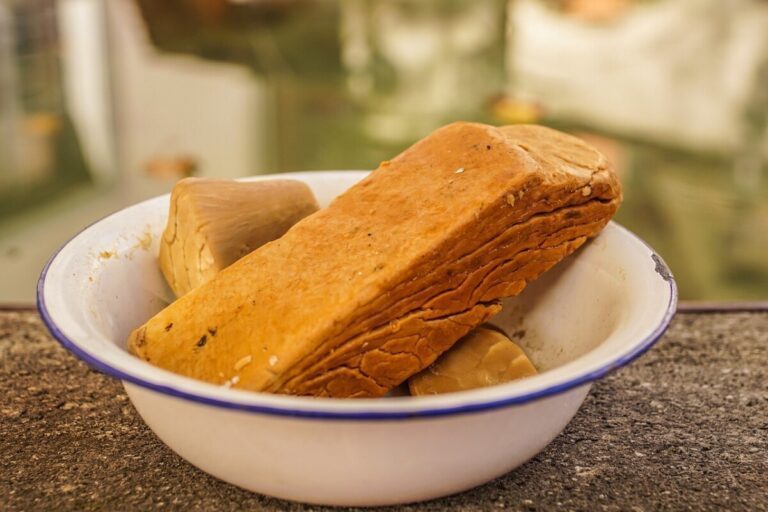
What Is in a Laundry Bar
Laundry bars are made to be rubbed straight onto stains and scrubbed. They tend to be harder, less moisturizing and sold for pre-treating collars, cuffs and mud. Some are true soap and some are built on synthetic detergents; the difference is explained in our soap versus detergent guide. For picks and everyday technique, see our reviews of the best laundry soap bars and the guide on how to use laundry soap bars.
Why the Difference Matters in Practice
- Body bars clean skin oils well but are not tuned for sweat, grass or food stains.
- Moisturizing additives can leave fabric feeling waxy.
- Strong fragrance or dye in a bar can transfer to light fabrics when scrubbed in.
How to Wash Clothes by Hand with a Bar of Soap While Traveling
A bar of soap for washing clothes is genuinely handy in a hotel sink, because it is solid, leak-proof and carry-on friendly. A small amount is enough. Over-soaping is the most common mistake, since every bit of soap you add has to be rinsed out again with limited water.
Step-by-Step Hand Washing
- Check the care label. Skip this method for silk, wool, and anything marked dry clean only.
- Fill the sink with lukewarm water, enough to cover the garment. Soap dissolves better in warm water than in cold.
- Wet the garment, then rub the bar lightly over collars, underarms and any stained spots instead of rubbing it over the whole item.
- Squeeze and knead the fabric in the water for two to three minutes until you see a light lather. Rub stained areas against themselves.
- Drain the sink and rinse with clean water. Repeat until no suds appear when you squeeze the fabric. Two or three rinses is typical.
- Press water out without wringing hard, roll the item in a dry towel, and hang it to dry.
For more technique on the manual side, our tips to hand wash clothes with detergent apply equally well when you are using a bar.
Travel Tips
- Keep the bar in a small dry container so it does not dissolve into a puddle in your bag.
- Test an unseen area first on dark or brightly dyed fabrics, because scented or colored bars can leave marks.
- Choose a plain, unscented white bar when you can; it is the least likely to leave stains or irritation.
Why You Should Not Grate Body Soap into a Washing Machine
Online recipes for homemade laundry powder often start with grated bar soap. It is cheap and feels natural, but it creates real problems in a modern washer.
Soap Scum and Residue
Soap reacts with calcium and magnesium minerals in water to form an insoluble film, commonly called soap scum (this soap versus detergent explainer describes the same effect). In a washer that film can coat the drum, the rubber door seal and the fabric itself. Clothes may look dingy, feel stiff, and develop a sour smell as residue traps odor. Towels often lose absorbency first.
High-Efficiency Machines Are Less Forgiving
HE washers use much less water per cycle than older machines. Less water means less rinsing power, so anything that does not dissolve completely, such as shavings from a bar, is more likely to stay behind. Grated bits also dissolve poorly in cold cycles, which is how most people run their machines today. If you ever notice slimy buildup or odor in your washer, read our notes on how detergent choice affects a washing machine and check your manual.
Suds and Warranties
Body soap is not formulated for the low-suds conditions HE machines expect, and many manufacturers specify an HE-labeled detergent in their manuals. Using something else is your call, but it may not be covered if a problem is traced to the product.
Hard Water Makes Bar Soap Worse
Hard water is the biggest factor in whether soap works for you. In soft water, a bar lathers easily and rinses well. In hard water, a good portion of the soap is used up reacting with minerals before it can clean, so you see weak lather and more scum.
Synthetic detergents were developed partly to avoid this problem. The soap maker Dr. Bronner’s, which sells soap itself, notes on its soap versus detergent page that the two are different kinds of cleaners, and that is a useful reminder of why one is not a drop-in replacement for the other.
If You Must Use Soap in Hard Water
- Use warm rather than cold water so the soap dissolves.
- Use the smallest amount that gives a light lather.
- Rinse extra times and finish with one clean rinse.
- Wash the item again with a regular detergent when you get home if it feels stiff.
When a Regular Bar Is a Reasonable Choice
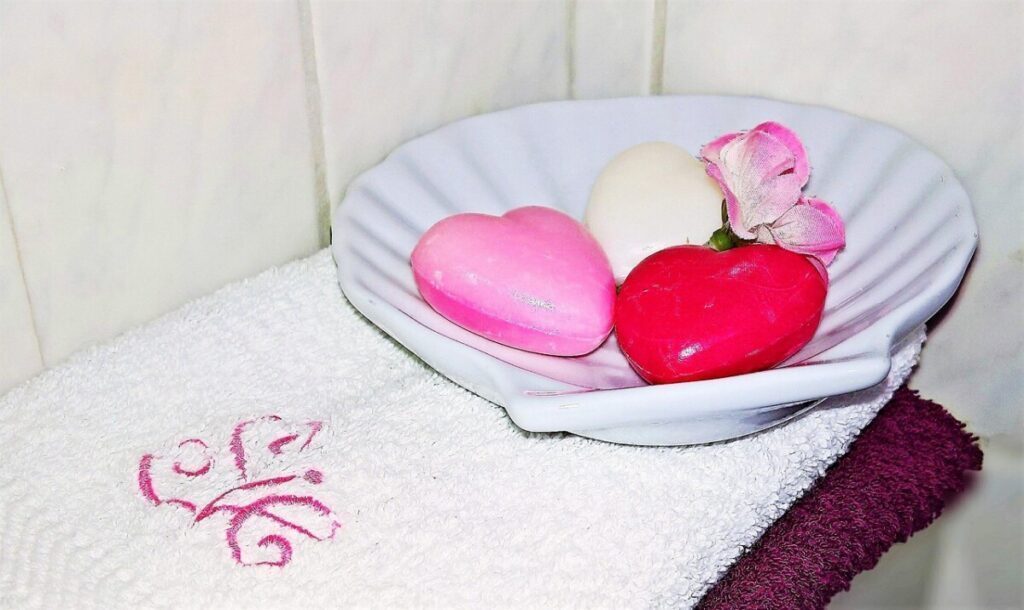
There are a few cases where body soap is perfectly workable. A single pair of socks, a swimsuit after a beach day, or a shirt with a fresh sweat mark can all be refreshed in a sink with a thin lather and a good rinse. The key is that the load is small, the fabric is sturdy, and you are not relying on the soap to remove old or set-in stains.
It is a worse fit for white towels, heavy work clothes, sports gear that holds odor, and anything you plan to wear against sensitive skin. Those items need a cleaner that rinses fully and does not leave a film behind. Treat the bar as a stopgap, not a system.
Signs the Soap Did Not Rinse Out
- The fabric feels stiff or slightly slippery once dry.
- You see a gray or chalky film on dark clothes.
- A musty smell appears when the garment gets damp or warm.
- Towels repel water instead of absorbing it.
If you notice any of these, re-wash the item in fresh water, and run a regular detergent cycle once you have access to a machine.
What to Do Instead of Using Body Soap
At Home
Use a detergent made for laundry, measured to your machine and load size. If you like the bar format, buy a bar sold specifically for laundry and use it only as a stain pre-treater, then wash as usual. Our overview of laundry detergent types helps you pick a format that suits your machine.
On the Road
- Pack a small bottle or a few single-use sheets or packets of laundry detergent in your carry-on, within airline liquid rules.
- Choose a laundry bar over body soap if you want the solid format.
- Use a laundromat and buy their small detergent box when you need a full load.
If You Already Grated Soap into a Washer
Run an empty hot cycle with a regular amount of HE detergent, wipe the door seal and detergent drawer, and re-wash any clothes that feel stiff or smell off. Check your manual for machine-cleaning instructions.
Frequently Asked Questions
Is It Safe for Skin to Wash Clothes with Body Soap?
Body soap is made for skin contact, so it is not a safety concern for most people. The problem is residue. Poor rinsing can leave soap in fabric, which can bother sensitive skin. Rinse until the water runs clear of suds.
Can I Wash Baby Clothes with Bar Soap?
You can hand wash lightly soiled baby clothes with a plain, unscented bar, but rinse thoroughly. For regular use, a detergent made for sensitive skin rinses more cleanly, and your pediatrician can advise on skin concerns.
Does Bar Soap Remove Stains?
It can loosen fresh, oily or muddy marks when rubbed in and scrubbed, but it lacks the enzymes found in many laundry detergents that target protein and starch stains. Treat set-in stains with a proper detergent or stain product.
Can I Put a Whole Bar in the Washer Drum?
No. A bar will not dissolve evenly, can leave marks on clothes, and adds to buildup. Use a measured amount of detergent instead.
Bottom Line
Regular bar soap is an acceptable emergency tool for hand washing a few light items, as long as you use little and rinse well. It is a weak choice for hard water and a bad one for washing machines, particularly HE models. For everyday laundry, use a product made for the job.
More on Laundry Soap Bars
- Zote Soap: What It Is and How to Use It for Laundry
- Fels-Naptha Laundry Soap Bar: What It Is, What It Does and Whether It Is Safe
- Fels-Naptha vs Zote: Which Laundry Bar Should You Use?
- Best Bar Soap for Stains: Which Laundry Bars Work on Which Stains
- Fels-Naptha Alternatives: What to Use Instead
- Laundry Detergent Bars vs Liquid Detergent: Is a Bar Enough?
- 10 Best Laundry Soap Bars to Try
- How to Use Laundry Soap Bars