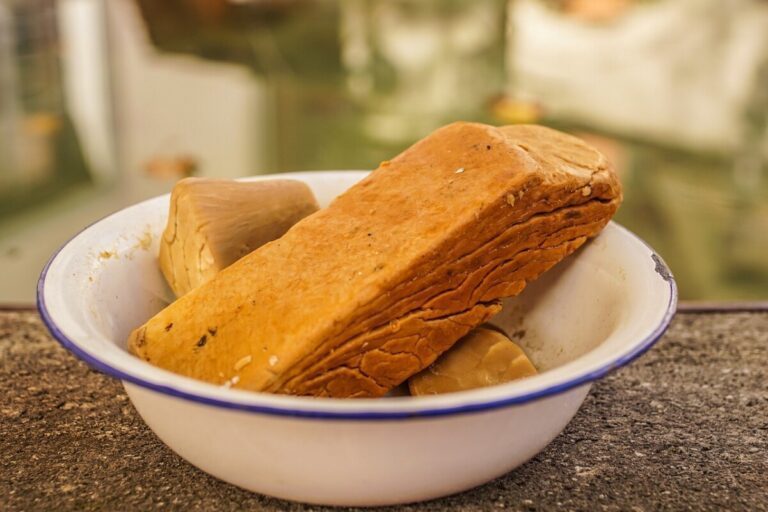


Laundry soap bars have been around for generations, and they are still popular. They are versatile, inexpensive and a handy tool to have around. Once you know a few simple methods, you can use one to pretreat stains, hand-wash clothes or make your own laundry soap.
Until powdered detergents became widespread in the 20th century, bar soap was the most common product for washing clothes. Bars take more effort than pouring detergent into a machine, which is one reason they lost ground to modern detergents.
For centuries, people washed clothes by hand with soap, often at a river or a washtub, and it took a lot of time. Today most of us wash in a machine, but a bar still earns its place in the laundry room.
To use a laundry soap bar, wet the stained fabric, rub the bar directly on the spot, let it sit for several minutes, then wash as usual. You can also lather the bar in a basin of water to hand-wash delicates, grate it into the washing machine, or dissolve it to make homemade liquid soap.
What Is a Laundry Soap Bar?
Soap is made from salts of fatty acids. A surfactant is a compound with a water-loving end and a grease-loving end, which lets it lift dirt and oil away from fabric. Laundry bars are formulated to clean fabric, and many are firm and concentrated.
Soap comes in many forms, colors and scents. Some bars have a sweet fragrance, while others have a sharp, medicinal smell.
A laundry soap bar is made for washing clothes. Detergents later replaced soap for many people, but many households still use laundry bars. To learn more, read about the differences between detergents and soap.
Laundry soap is not the same as bath soap or dish soap. Do not use laundry bars on your face, skin or dishes, because they are not formulated for that. Some contain ingredients that can irritate skin.
Laundry bars are also not ideal for every fabric. Check the care label first. Strong bars may be too harsh for delicate fabrics like silk or wool, so use a milder bar and gentle handling for those, or follow the label’s advice.
Read More: Can Your Detergent Impact Your Acne and Skin?
Popular Laundry Soap Bars
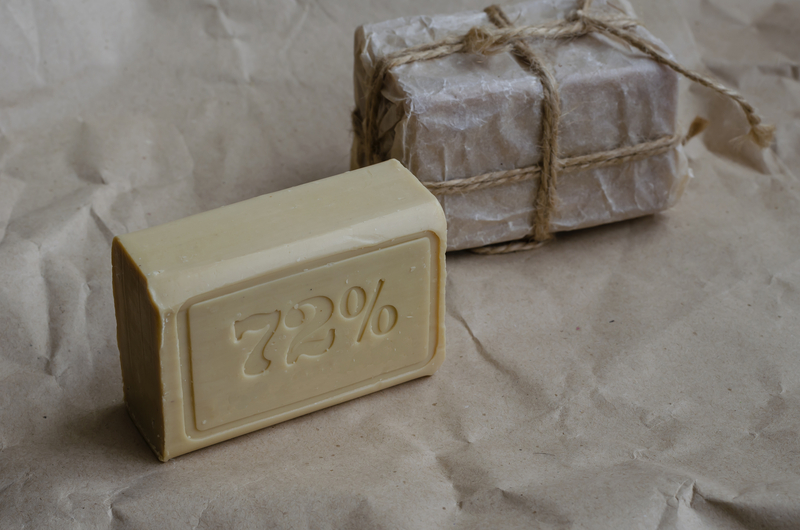
Laundry habits have changed over the years, but people still choose bars for different reasons. Bars differ in shape, color, scent and ingredients, although their basic components are similar.
Here are a few widely available types.
Vanish Laundry Soap Bar
Vanish makes stain-removing bars sold in some markets, usually in small sizes such as 75-gram packs. Different versions are marketed for different stain strengths. Product lineups vary by country, so check the package for details and directions.
Tide Laundry Soap Bar

The Tide bar is a detergent bar rather than a traditional soap. It is formulated without phosphates and is popular for scrubbing collars, cuffs and other dirty areas.
Zote Laundry Soap Bar

Zote is a Mexican brand known for its large, firm bars. They are used for hand-washing, pretreating stains and making homemade detergent. Zote bars contain tallow-based soap and fragrance, and some people find the scent strong. Zote usually comes in white and pink. Do not use it on skin, and test it first if you have sensitive skin.
Fels-Naptha Laundry Soap Bar
Fels-Naptha is a classic American laundry bar with a history of more than a century. It is known for tackling oily stains, grease, sweat and collar rings. To use it, dampen the stain and the bar, rub the bar into the spot, let it sit for a few minutes, and then wash as usual. Do not use laundry bars as a skin treatment.
The Laundress Wash & Stain Bar

This bar is popular for pretreating oily and food-based stains, such as grease, makeup, chocolate, tomato sauce and spit-up. It is sold as a plant-based option. As with any stain remover, test it on a hidden spot first and check that the stain is gone before drying.
B&B Laundry Soap Bar
B&B bars are marketed for baby clothes, which often have food, milk and diaper stains. Baby laundry needs gentle products and a thorough rinse. If your baby has sensitive skin, ask your pediatrician for advice on which products to use.
Many other laundry bars are sold around the world. People like them for their low cost and effectiveness on stains. The main drawback is that bars take more effort to use than liquid or powder detergents.
Read More: 10 Best Laundry Soap Bars to Try
How to Use Laundry Soap Bars
Any product works best when you use it the right way. If you are used to powder or liquid detergent, a bar may feel unfamiliar at first, but it is not complicated.
Detergents are popular because they are simple: pour, add clothes and press start. Bars take a bit more hands-on effort, but they offer flexibility, a simple ingredient list and a low price. Some people also choose them to reduce plastic packaging.
Here are the most useful ways to use them.
Use It as a Stain Pretreatment
Wet the stained area, rub the bar directly onto the stain, and let it sit for 10 to 15 minutes. Then wash the garment as usual. This spot treatment is a great way to deal with a single stain without washing the whole garment by hand.
Use It for Delicates and Hand-Washables

Hand-washing works well for delicates and clothes that you do not want to put in the washing machine. Use a clean sink or tub.
Fill it with water at the temperature on the care label, which is usually cool or lukewarm for delicates. Wet the bar and rub it between your hands to make lather, or rub it directly on soiled spots. Work the lather into the stains, swish the clothes gently, and rinse thoroughly until the water runs clear. For more tips, see our guide to hand-washing clothes with detergent.
Use It as Grated Soap
You can grate a laundry bar and use the flakes in place of detergent. Use a box grater or a cheese grater, and keep that grater just for soap.
Measuring matters here. How much you need depends on the load size and how dirty the clothes are. About one tablespoon of grated soap per load is a common starting point. Many people grate a whole bar at once and store the flakes in a sealed container. Dissolve the flakes in a little hot water before adding them to the machine so they do not leave residue.
Check your machine manual first. Soap can build up in high-efficiency machines and in hard water, so some people prefer to use bars only for pretreating and hand-washing.
Make Liquid Laundry Soap
If you prefer a liquid, you can turn a bar into a liquid soap at home. Homemade liquid soap works differently from commercial detergent, and the recipe below should be used with care.
Homemade Liquid Laundry Soap Recipe
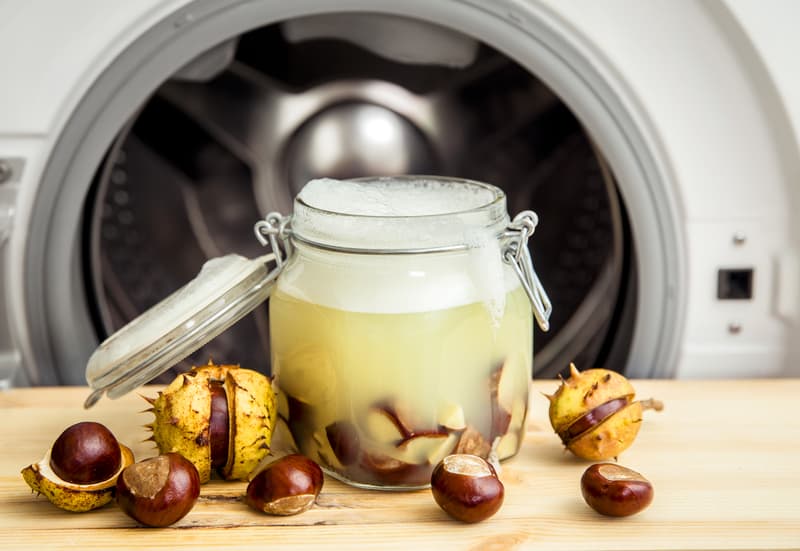
- Grate one whole bar of laundry soap.
- Heat 3 to 4 cups of water in a large pot until hot. Do not let it boil.
- Add the grated soap and stir until it has fully dissolved.
- Remove the pot from the heat.
- Stir in 3 to 4 more cups of water.
- Let the mixture rest overnight.
- The next day, stir or blend it until smooth. It may gel, which is normal.
- Pour it into a sealed bottle or container. Plastic or glass both work.
- Use it in place of liquid detergent, in small amounts. Shake or stir before each use.
Homemade liquid soap has no preservatives, so make small batches and throw it out if it smells off or grows mold. Label the container clearly and keep it out of reach of children.
Pros and Cons of Laundry Soap Bars
Pros
- They are great for hand-washing clothes.
- They are compact and travel-friendly.
- You can use them dry on a stain, without any water.
- They are concentrated, so a small amount goes far.
- They have simple formulas, and many have few ingredients.
Cons
- They take more effort than a liquid or powder detergent.
- A wet bar can pick up dirt and bacteria, so keep it dry between uses.
- Soap can leave residue in hard water and in high-efficiency machines.
- They are not suitable for every fabric, so check the care label.
- Some bars have strong fragrances or harsh ingredients that can bother sensitive skin.
Tips for Best Results
- Keep the bar dry between uses. Store it on a draining dish so it does not turn soft and mushy.
- Test any bar on a hidden seam before treating a visible stain, especially on dark or delicate fabrics.
- Rinse well. Leftover soap can make fabrics stiff or dull.
- Treat stains early. A fresh stain comes out far more easily than a dried one.
- Do not put treated items in the dryer until the stain is gone, because heat can set it.
- Wash your hands after handling a bar, and keep bars away from children and pets.
Finally, remember that soap and detergent are not interchangeable in every situation. If you are not sure which suits your laundry, our guide to detergents and soap explains the differences, and the bars in our list of the best laundry soap bars are a good place to start shopping.
Frequently Asked Questions
Can I use a laundry soap bar in the washing machine?
You can use grated soap in some machines, but check your manual first. Many people use bars for pretreating and wash with regular detergent.
Can I use a laundry bar on my skin?
No. Laundry bars are made for fabric and can irritate skin. Use a bath soap for your body.
Is a soap bar better than detergent?
Not necessarily. Detergents handle hard water and machine washing well, while bars excel at spot treatment and hand-washing. Many households use both.
Conclusion
A laundry soap bar is a solid cleaning product made mostly from fatty acid salts and surfactants. Brands differ in color, scent and strength, so choose one that fits your laundry.
Bars are inexpensive, effective on many stains and handy for hand-washing, though they take more effort than detergent. They are not automatically gentler or better for the environment than detergents, so choose based on your needs and always follow the care label.
Despite being an old-fashioned way to wash clothes, soap bars remain popular and are well worth keeping in your laundry kit.
More on Laundry Soap Bars
- Zote Soap: What It Is and How to Use It for Laundry
- Fels-Naptha Laundry Soap Bar: What It Is, What It Does and Whether It Is Safe
- Fels-Naptha vs Zote: Which Laundry Bar Should You Use?
- Best Bar Soap for Stains: Which Laundry Bars Work on Which Stains
- Fels-Naptha Alternatives: What to Use Instead
- Can You Use Regular Bar Soap to Wash Clothes?
- Laundry Detergent Bars vs Liquid Detergent: Is a Bar Enough?
- 10 Best Laundry Soap Bars to Try